



AI could make thinking cheap. What happens to jobs, education and human purpose?
Dr. Pratosh, an IISc faculty member, warns that AI is not just coming for jobs—it could force a rethink of education, economics and what humans do for a living.

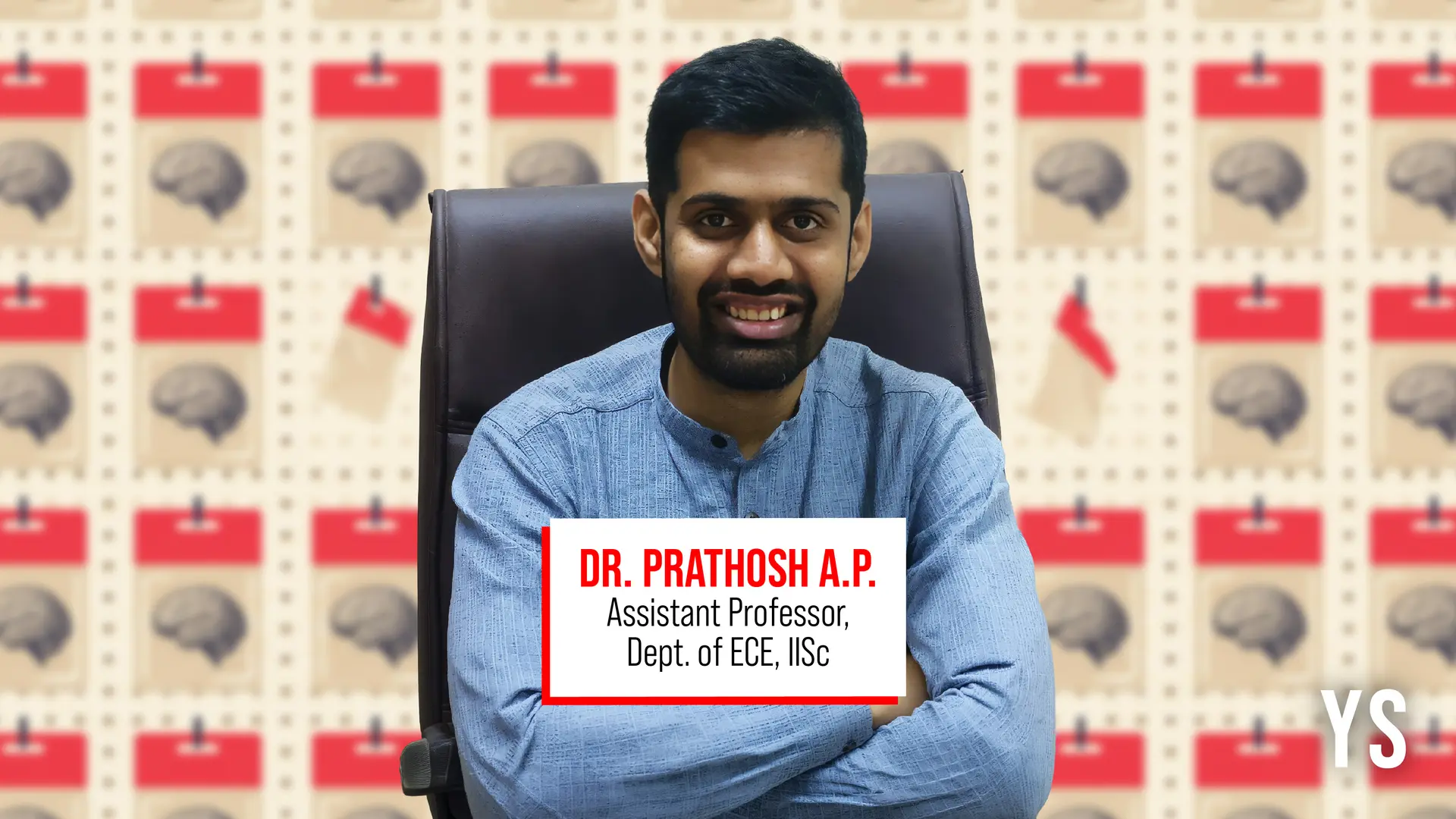

Artificial intelligence is no longer just beating us at chess or drafting emails. It’s forcing an uncomfortable question: what happens to human purpose when raw intellect becomes a mass-produced commodity?
During a recent classroom discussion, Dr. Pratosh, Assistant Professor in the Department of Electrical Communication Engineering at the Indian Institute of Science (IISc), Bengaluru, didn't mince words. He framed our current moment as a potential “civilisational crisis.”
“If intelligence is commoditised, if thinking is commoditised, then what meaning does our existence have?” he asked.
This isn't just theoretical for him. Dr. Pratosh admitted he’s already stopped hiring research assistants for certain tasks. Why bottleneck a project with human speed when AI agents can work on dozens of complex problems simultaneously?
The New "Digital Feudal Lords"
The immediate fear isn't just job loss—it's who collects the rent. While tech optimists promise a future of AI-driven abundance, real-world economics suggests otherwise. Greater productivity doesn't automatically mean shared prosperity. In a capitalist system, the rewards naturally concentrate in the hands of whoever owns the computer, the chips, and the algorithms.
Dr. Pratosh warned that without structural changes, we could easily land in a form of digital feudalism. For a country like India, with its massive workforce reliant on knowledge-intensive jobs, the economic fallout over the next few years could be profound.
Why Pay for a Degree When AI is the Best Teacher?
If AI can instantly write, code, analyse, and research, what is the point of standard university degrees?
Dr. Pratosh shared a telling personal account: his own daughter considers ChatGPT one of the best teachers she’s ever had. It never loses patience, never gets frustrated, and explains a concept ten different ways without judgment. If an AI can personalize education better than a standard classroom, universities can no longer sell information. They'll have to pivot to what AI can't offer: community, hands-on collaboration, and human connection.
Beyond the Benchmarks
“Enough of writing KL divergences; machines will figure that out,” Dr. Pratosh noted, urging students and educators to move past hyper-technical mechanical skills. Instead of teaching students to compete with AI, we need to teach them how to tackle real-world scientific and societal problems alongside it.
The real challenge ahead isn't building a smarter model. It's deciding what humans are actually for once thinking is no longer our exclusive domain.