



DPIIT to unveil QCO framework for semiconductor, deeptech firms in 2-3 months
The proposed framework will address compliance hurdles around replacement components used in semiconductor and other high-tech manufacturing.

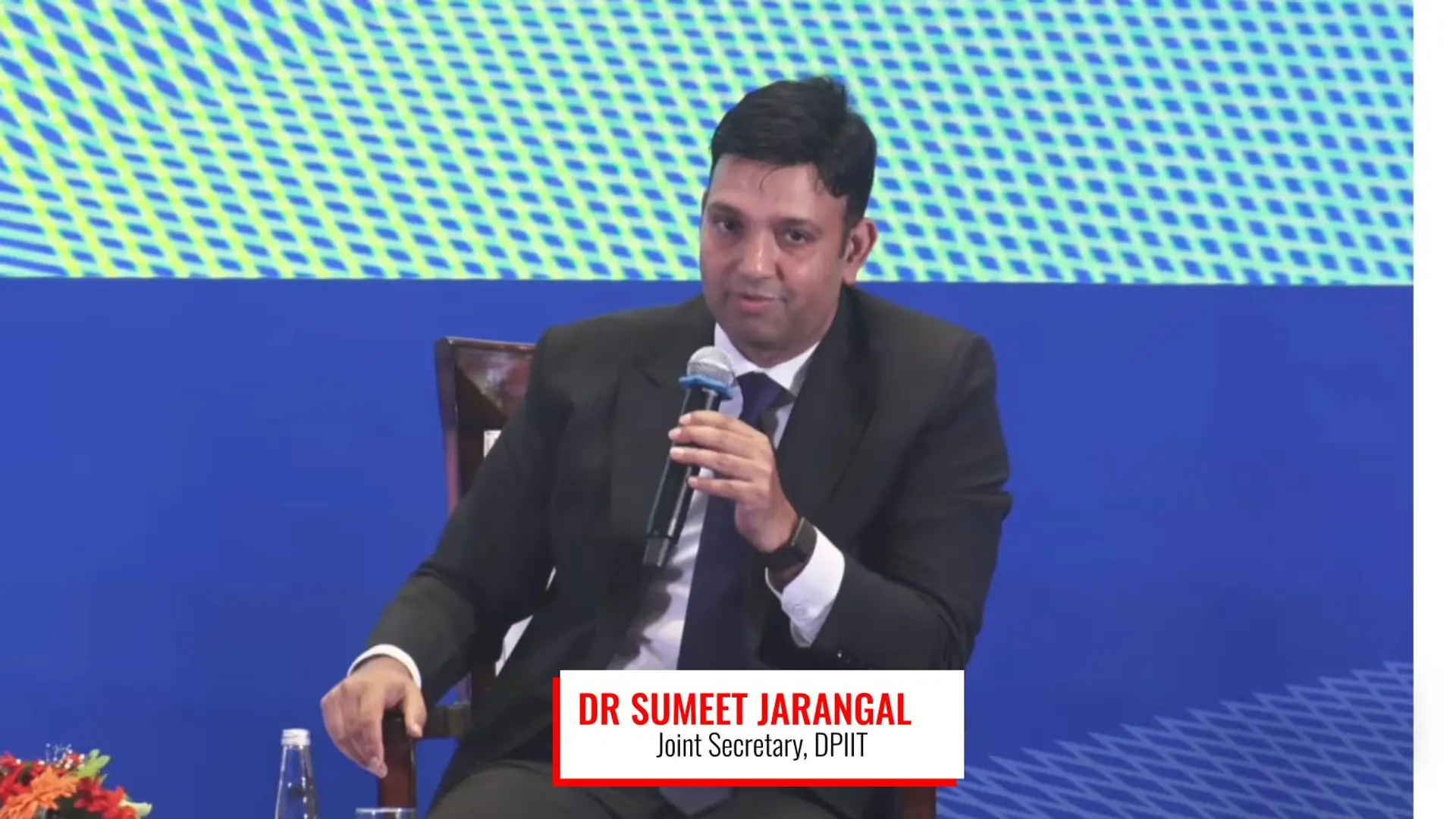

The Department for Promotion of Industry and Internal Trade (DPIIT) plans to come out with clearer guidelines and a policy framework within the next two to three months to address Quality Control Order-related hurdles faced by semiconductor and other deeptech companies.
Quality Control Orders, or QCOs, mandate that specified products comply with Indian standards, with the Bureau of Indian Standards overseeing certification.
Speaking at SEMICON India 2026, DPIIT Joint Secretary Dr Sumeet Jarangal said the department was working on a mechanism to deal with cases where replacement components used in sophisticated manufacturing equipment come under BIS and QCO requirements administered by different ministries.
“Within two, three months, we will come up with clear guidelines and policy, so that no company has to suffer because of the QCO framework,” Jarangal said.
Replacement components pose challenge
Jarangal said the issue was less pronounced for new production machinery, but could become complicated when companies needed to import replacement components.
He cited the example of one company that had identified around 1,400 replacement components covered by BIS-related requirements.
The challenge, he said, is that the applicable standards and regulatory requirements can fall under different administrative ministries, making compliance more complex for companies operating sophisticated manufacturing facilities.
DPIIT is working on a framework under which the relevant line ministry could identify, based on a company’s request, the departments responsible for individual components and coordinate the required regulatory treatment.
The department is also examining whether DPIIT should act as the nodal agency for such cases or whether the authority should remain with the respective administrative ministries.
Could extend beyond semiconductors
Jarangal said similar challenges were being faced by companies in other high-tech and deeptech sectors as well.
He said there needed to be flexibility while these sectors were still developing and domestic production of specialised components remained limited.
The comments came during a panel on regulatory enablement for semiconductor manufacturing, where officials from Customs, the Department of Commerce and the Gujarat government, along with industry representatives, discussed bottlenecks around imports, standards, SEZ rules and clearances.
During the discussion, MeitY Joint Secretary Sushil Pal, who moderated the panel, also sought a mechanism to provide streamlined regulatory treatment to companies supported under the India Semiconductor Mission and their supply-chain partners.