



Gates Foundation pledges $1 billion to drive AI equality globally
AI access gets a $1 billion boost. The Gates Foundation plans to support AI in education, healthcare and agriculture, with a focus on underserved communities.

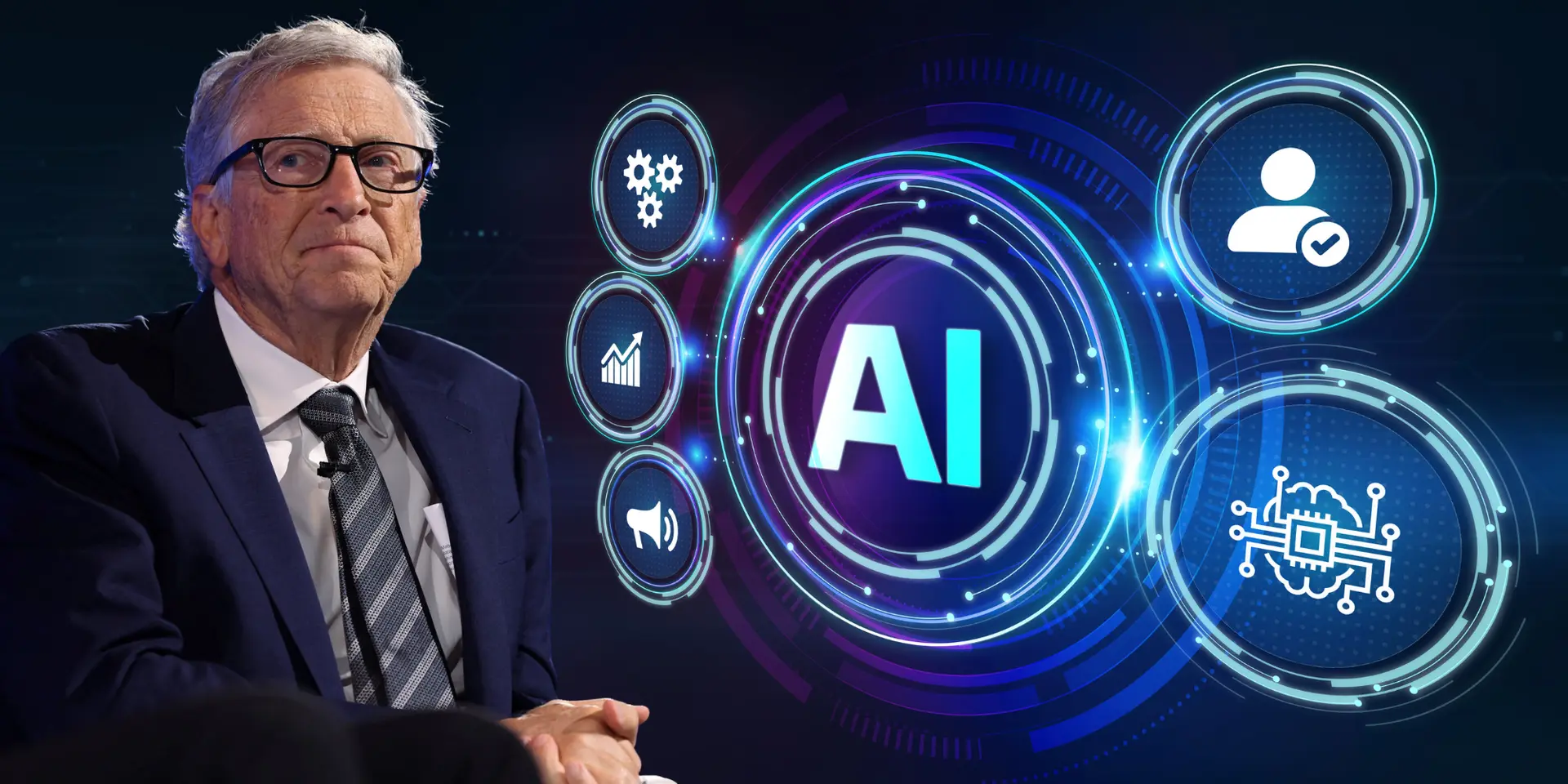

The Gates Foundation has pledged at least $1 billion to expand access to AI over two years. The funding will focus on communities that have often been left behind by new technologies.
The announcement followed the launch of the foundation’s 10th annual Goalkeepers Report. It says AI could help bridge gaps in healthcare, education and livelihoods if governments, tech companies and other stakeholders take the right steps.
The 2026 report, Make This Matter: AI, Equity, and the Choice We Can’t Delay, says the opportunity to influence who benefits from AI is narrowing as the technology develops rapidly.
Making AI useful beyond English
The report identifies three areas that need attention. The first is language. More than 90% of the data used to train early large language models came from English-language sources, according to the foundation. This leaves many communities underrepresented in the data used to develop AI tools.
The foundation is calling for AI systems that work across the languages people actually speak, rather than concentrating capabilities around a small number of dominant languages.
The second priority is context. AI tools need data and expertise from the communities where they will be used, while countries and communities should have a say in how their data is managed and protected.
The third is access and skills. Doctors, farmers, teachers and developers need opportunities to understand, evaluate and adapt AI tools for their own needs. Affordable access to the technology will also require investment from governments and philanthropy, alongside action from technology companies.
Where the $1 billion will go
The Gates Foundation plans to distribute the funding across four priority areas. Education will receive 40% of the commitment, supporting AI tutoring designed to personalise student learning and teaching tools for classrooms in the US and other countries.
Another 40% will go towards healthcare, including diagnostics, clinical decision-making support for frontline health workers, maternal and newborn care tools, and the discovery of drugs and vaccines.
Agriculture will receive 10%, including efforts to provide smallholder farmers with AI-generated advice tailored to their soil, weather and crop conditions.
The remaining 10% will support the digital foundations needed for equitable AI, which includes datasets in languages that current AI tools do not sufficiently understand.
Gates calls for deliberate action
Bill Gates, chair of the Gates Foundation, said AI could repeat an existing problem in which people with the greatest needs have the least influence over where innovation and investment are directed.
“AI presents the same challenge, only at much greater speed,” Gates writes in the report.
He argues that leaving development entirely to market forces could result in the most capable tools being built first for users and institutions that can pay the most, rather than those who could benefit the most.
The foundation’s funding will therefore support partners already working to close gaps in AI access and ensure that tools reflect the knowledge and priorities of the communities they serve.
“We can harness AI for good. But it won’t happen by accident,” Bill Gates writes.
The foundation is also calling on governments, technology companies and others to contribute funding, expertise and influence to make AI more useful, accessible and affordable.
The report’s central argument is straightforward: AI’s impact is not predetermined. How widely its benefits are shared will depend on the choices being made now.