



Govt sets 0.4% fee on UPI merchant payments above Rs 2,000; caps charge at Rs 300
The move ends the zero-MDR regime that has been in place since January 2020, introduced to drive digital payments adoption but long criticised by banks and fintechs as unsustainable.

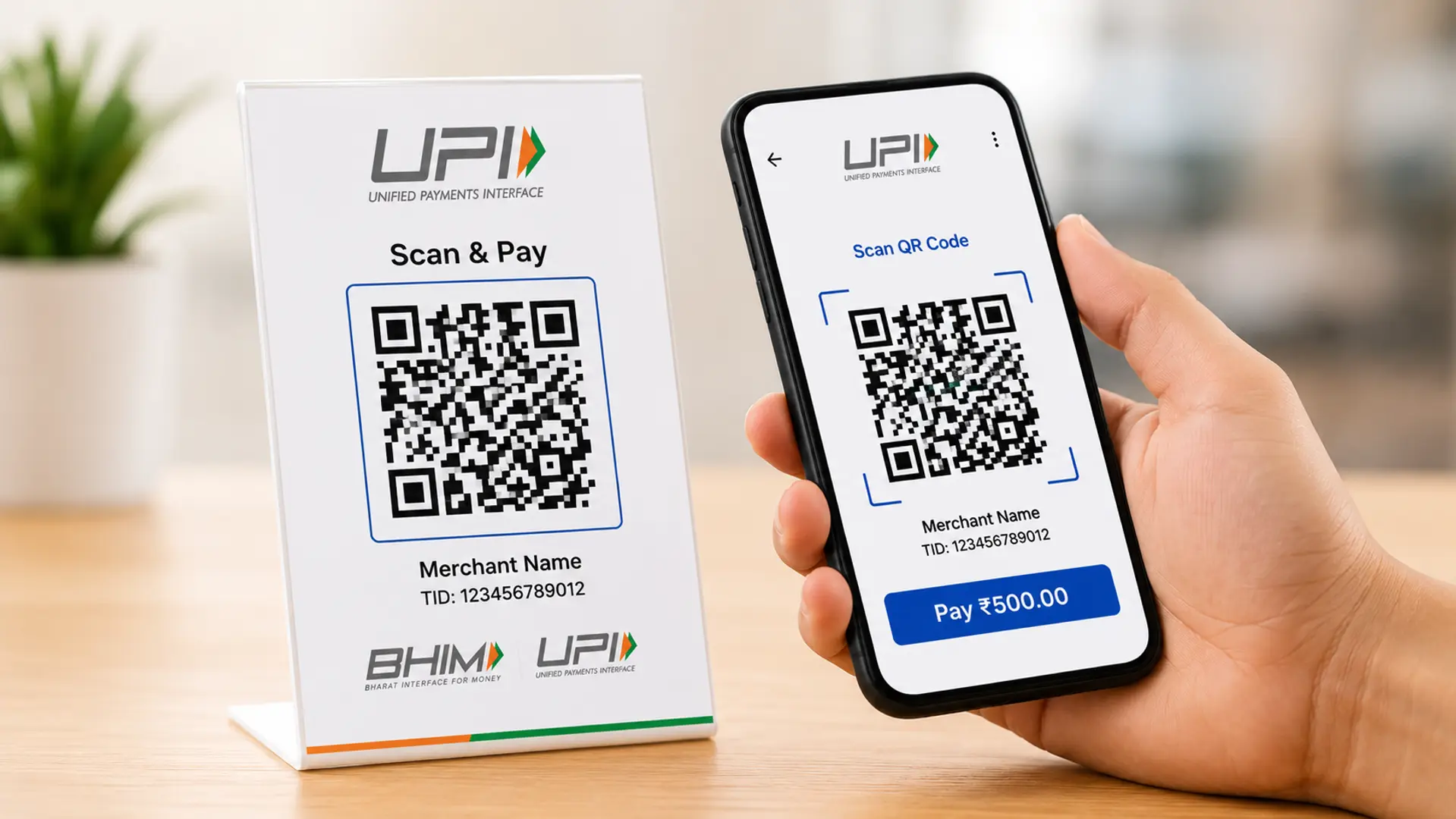

The government has set a 0.4% charge on UPI payments above Rs 2,000 to merchants and capped the fee at Rs 300 for payments of Rs 75,000 and above as it rolled out a framework for large digital merchant payments.
The move ends the zero-MDR (merchant discount rate) regime that has been in place since January 2020, introduced to drive digital payments adoption but long criticised by banks and fintechs as unsustainable.
Essential sectors like railways, telecom and fuel get a flat Rs 5 fee per transaction, while capital markets get a lighter 0.02% rate.
Small merchants earning up to Rs 1 lakh a month via UPI QR codes stay fully exempt - a carve-out the government says shields 96% of merchant transactions from any new charge, an official statement said.
MDR on person-to-merchant UPI transactions above Rs 2,000, have been capped at Rs 300 for payments of Rs 75,000 and above.
Person-to-merchant transactions up to Rs 2,000 remain outside the scope of MDR.
Person-to-person transfers—37% of UPI's volume and 70% of its value—remain untouched. Consumers can continue to transact free of cost using UPI.
App providers are barred from adding platform fees, and banks have been told not to let merchants pass MDR costs to customers. A fifth of the new fee pool will fund small-merchant UPI expansion.