



India targets 200 chip-design firms, 1 lakh semiconductor workers under Semicon 2.0
PM Narendra Modi said India’s semiconductor push is moving from “files to factories”, as IT Minister Ashwini Vaishnaw outlined a six-pillar roadmap for the next phase.


India will target at least 200 startups and companies designing chips in the country and train one lakh semiconductor technicians, clean-room personnel and factory-floor workers under Semicon 2.0, said Ashwini Vaishnaw, Union Electronics and Information Technology Minister.
Speaking at SEMICON India 2026 in New Delhi, Vaishnaw said the programme would focus on six areas: chip design, machines and materials, fabs, advanced packaging, research and development and talent.
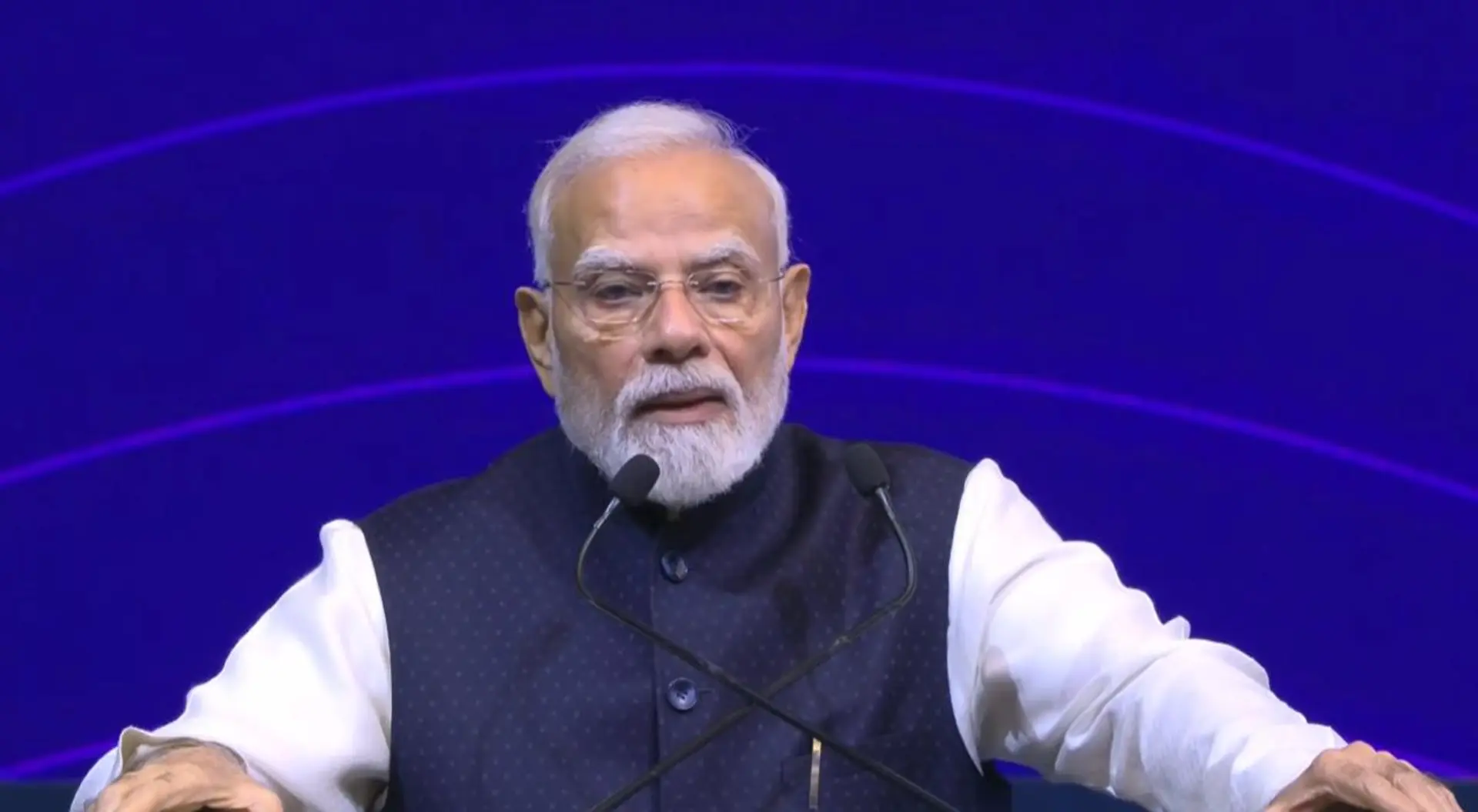
Prime Minister Narendra Modi, who inaugurated the event, said India’s semiconductor journey was moving from “files to factories” as more projects moved beyond approvals towards manufacturing and commercial production. Modi said India was now building domestic capabilities across entire technology value chains, rather than looking at semiconductor manufacturing in isolation.
The government has been positioning chips as part of a broader manufacturing push spanning electronics, logistics and other industries of the future.
Semicon 2.0 was approved by the Union Cabinet in July with an outlay of Rs 1,27,500 crore, compared with Rs 76,000 crore under the first phase.
Bigger push for chip design
Vaishnaw said 105 startups had begun developing chips under the first phase and around 20 had subsequently raised about ₹800 crore in venture capital.
“But that was just the beginning. This time, our ambition is much bigger,” he said. “We would be targeting at least 200 startups and companies which design chips in India across the spectrum of semiconductor requirements.”
Semicon 2.0 will also introduce a co-investment model for chip startups. Amitesh Kumar Sinha, CEO of the India Semiconductor Mission, told YourStory in a recent interview that the government plans to match VC investments in approved startups rupee for rupee on the same terms. The second pillar will focus on equipment and materials, including semiconductor machinery, chemicals, gases and maintenance capabilities.
Vaishnaw said the government had been guided by a broader ecosystem approach from the start. “Don’t think short term, think long term. Don’t think fab, think ecosystem,” he said, recalling Modi’s direction when the programme began. The third and fourth pillars will focus on more semiconductor fabs and advanced packaging facilities.
One lakh semiconductor workers
Research and development will form the fifth pillar, with Vaishnaw saying the focus would be on applied projects driven jointly by industry and academia. Talent will form the sixth. Vaishnaw said more than 400 universities now have access to advanced electronic design automation tools, helping students move from chip design towards tape-out.
Semicon 2.0 will now broaden the skilling push beyond design engineers. “We will take up a big task for developing the technician talent, the clean-room talent, the factory-floor talent,” he said. The government will target one lakh such workers to support semiconductor factories coming up in India.
The second phase marks a shift from attracting individual chip projects to building a wider domestic ecosystem across design, manufacturing, packaging, research and talent.