



Karnataka plans immediate AI skilling ahead of proposed AI University
Karnataka’s proposed AI University will take a phased approach, with the state planning to launch AI skilling programmes before the full-fledged institution is established.

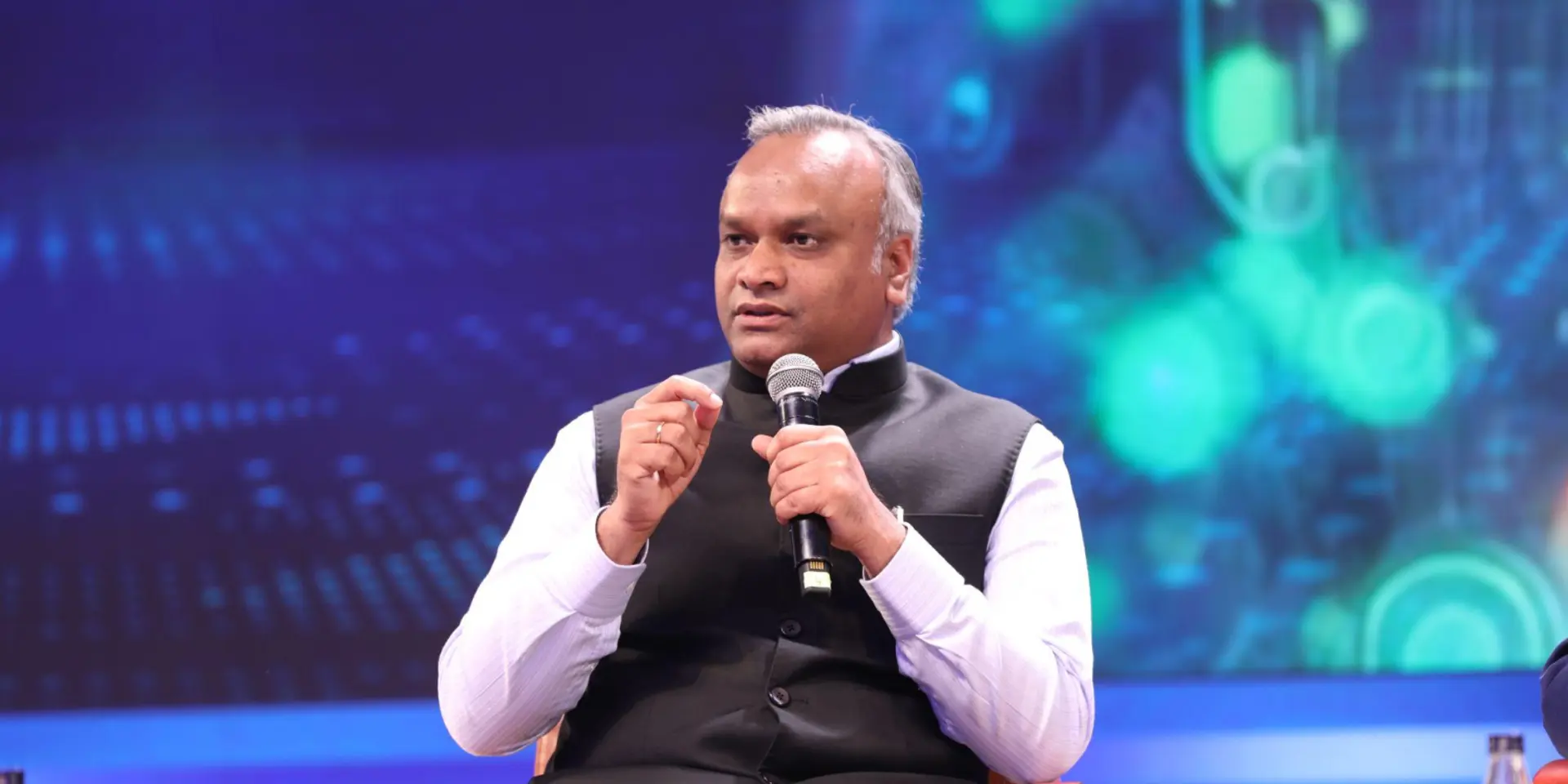

Karnataka does not want to wait for its AI University to take shape before starting to build an AI workforce.
The state is taking a two-track approach: begin AI skilling programmes now while working on the phased establishment of the proposed Karnataka Artificial Intelligence University (KAIU).
The first meeting of the KAIU Consultation Committee was held in Bengaluru on September 5, bringing together representatives from the technology industry, academia and the Karnataka government.
The committee will be led by Infosys co-founder Kris Gopalakrishnan, with Dr N. Manjula, Secretary of the Department of Electronics, IT, Biotechnology and Science & Technology, serving as co-chair.
The AI classroom could start before the university
The committee is looking at launching certificate and diploma programmes, finishing-school courses, executive education and reskilling initiatives through partnerships between companies and academic institutions.
The proposed programmes would cover areas such as generative and agentic AI, cloud technologies, cybersecurity, data analytics, AI infrastructure and data centres, semiconductor and hardware applications, physical AI, and AI literacy. The target audience is equally broad.
University students and graduates, technology professionals, workers from other sectors and rural youth could all be covered, alongside people looking to move into AI research or entrepreneurship. For Gopalakrishnan, the immediate challenge is less about creating something from scratch and more about bringing existing capabilities together.
“The first meeting was about moving from vision to action. Our immediate task is to map the training programmes and expertise already available with industry, the infrastructure available across academic institutions, and the programmes already being developed, and bring these capabilities together to create meaningful skilling opportunities.”
Gopalakrishnan said the committee would also work on ways for industry and academia to contribute faculty, expertise and resources as the university roadmap takes shape. “The objective is to start creating AI talent and employment opportunities now, even as we build the institution for the long term.”
Karnataka wants skills to translate into jobs
The committee is also looking beyond training numbers. Its proposed approach would measure the impact of AI skilling through employment, entrepreneurship and other economic opportunities created as a result.
Existing educational infrastructure and AI learning laboratories across Karnataka could be used to provide hands-on training and expand access beyond Bengaluru. Industry partners could contribute certifications, training programmes, faculty, mentors and practical projects aligned with workplace needs.
The university will take shape in parallel
The proposed university is intended to go beyond conventional AI education. Its scope could include continuing education, advanced research, industry collaboration and applying AI to real-world challenges.
The committee is also exploring partnerships with institutions in Karnataka and elsewhere, international universities and industry, including pathways to advanced programmes such as PhDs. Dr N. Manjula said building the right institutional framework is an immediate priority.
The structure would coordinate participation from industry and academia and create a framework to evaluate and validate programmes, curricula and certification frameworks. Meanwhile, the legislative process for establishing the university will continue alongside the immediate skilling efforts.
The next phase will focus on a roadmap covering AI training, academic programmes, research, industry partnerships, infrastructure and the long-term development of the proposed university.