



Ola Electric clears Rs 1,500 Cr fund raise; COO quits
Ola Electric’s board approved a fund raise of up to Rs 1,500 crore, while Shradha Sharma and Manoj Kumar Kohli were approved for re-appointment as independent directors.

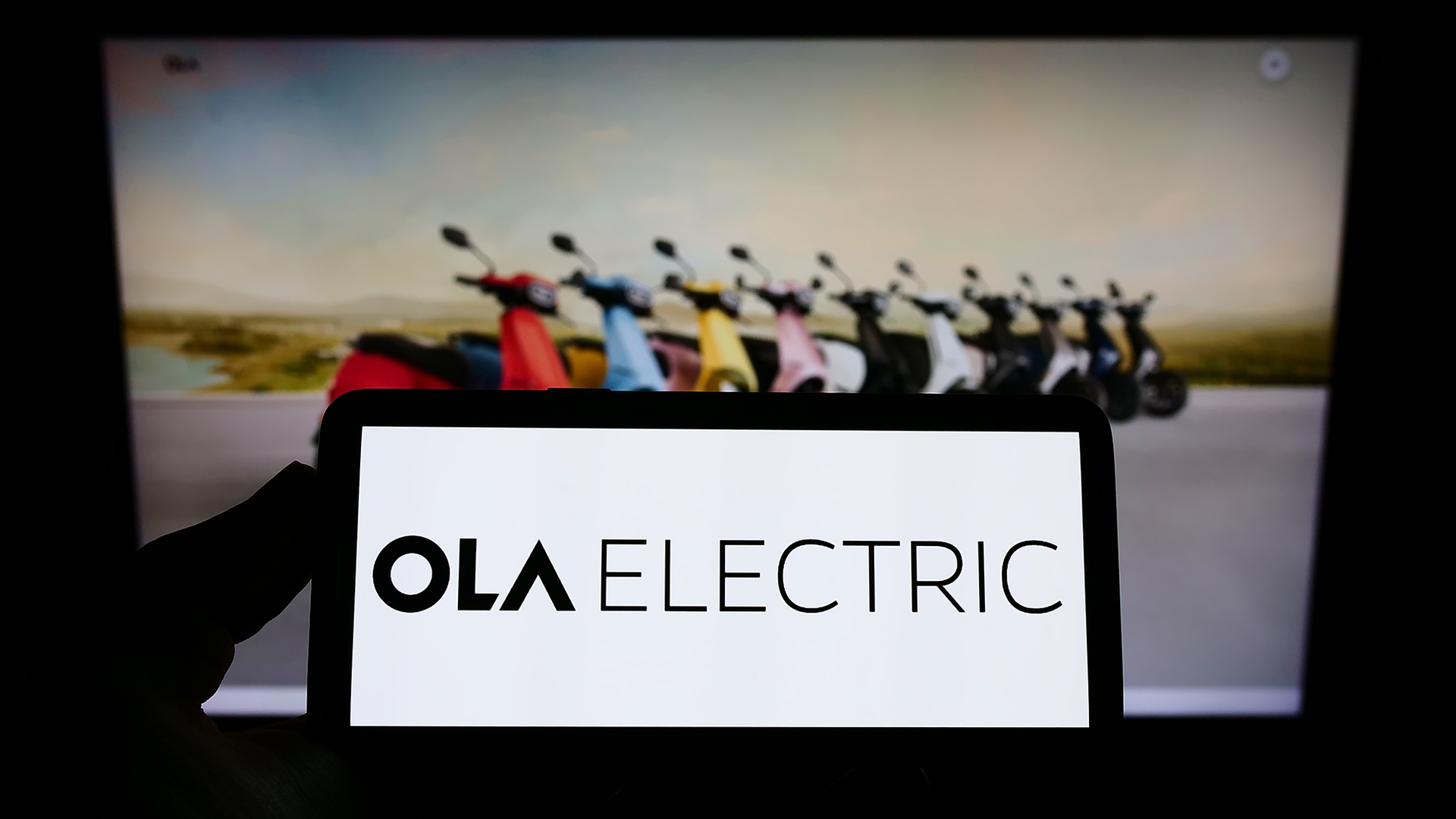

The board of Ola Electric Mobility on Saturday approved a proposal to raise up to Rs 1,500 crore through the issuance of equity shares and convertible securities, subject to shareholder and regulatory approvals. The move could strengthen the electric two-wheeler maker’s financial headroom as it navigates a competitive market and continues efforts to improve its operating performance.
Alongside the fund raising, Ola Electric has also announced senior management and governance changes. COO Hyun Shik Park resigned with effect from the close of business on September 5, citing personal reasons.
Shradha Sharma, Founder and CEO of YourStory, and Manoj Kumar Kohli, former Country Head of SoftBank India, were approved for second five-year terms as independent directors, subject to shareholder approval.
The latest fund raise announcement comes only a few months after Ola Electric raised Rs 780 crore through a qualified institutional placement (QIP), in which new shares were allotted to institutional investors. The proceeds were intended to strengthen liquidity and support capital expenditure, debt repayments and working capital requirements.
The company’s board has also approved an increase in Ola Electric’s authorised share capital to Rs 8,722 crore from about Rs 8,318 crore. Authorised share capital is the maximum share capital the company is permitted to issue. Increasing it creates additional room for the proposed fund raising and will also need shareholder approval.
The need for additional financial flexibility is easier to understand in the context of Ola Electric’s recent performance. In the June quarter, its revenue from operations was Rs 455 crore, down 45% year on year, while its consolidated net loss was Rs 336 crore. Deliveries recovered to 39,192 units, almost twice the previous quarter, and the company reported a 30.5% gross margin. Yet it remained loss-making at the operating level.
The competitive environment has also changed materially. TVS Motor reported 59,453 electric two-wheeler sales in August, up 137% from a year earlier. Its iQube has now crossed one million cumulative customers, underlining the scale being achieved by established two-wheeler manufacturers in the electric segment.
Bajaj Auto has likewise broadened its Chetak range, including the C25 aimed at a more accessible price point. Its FY26 annual report said Chetak domestic sales reached 3,02,674 units, up 16% year on year, while the brand had more than 500 experience centres and over 4,000 touchpoints.
Policy remains an important support for the sector, with the central government amending PM E-DRIVE in August, extending incentives for electric two-wheelers to March 2028. The scheme provides an incentive of Rs 2,500 per kWh, capped at Rs 5,000 per vehicle for eligible models, subject to its price and other conditions. The government has allocated Rs 2,767 crore towards the e-2W component.