



Per Annum targets Rs10,000Cr AUM as retail investors look beyond traditional assets
Alternative investment platform Per Annum, which reached Rs 1,500 crore in AUM in August 2026, is expanding across P2P lending, private credit, and fractional real estate as investor demand for diversification grows.

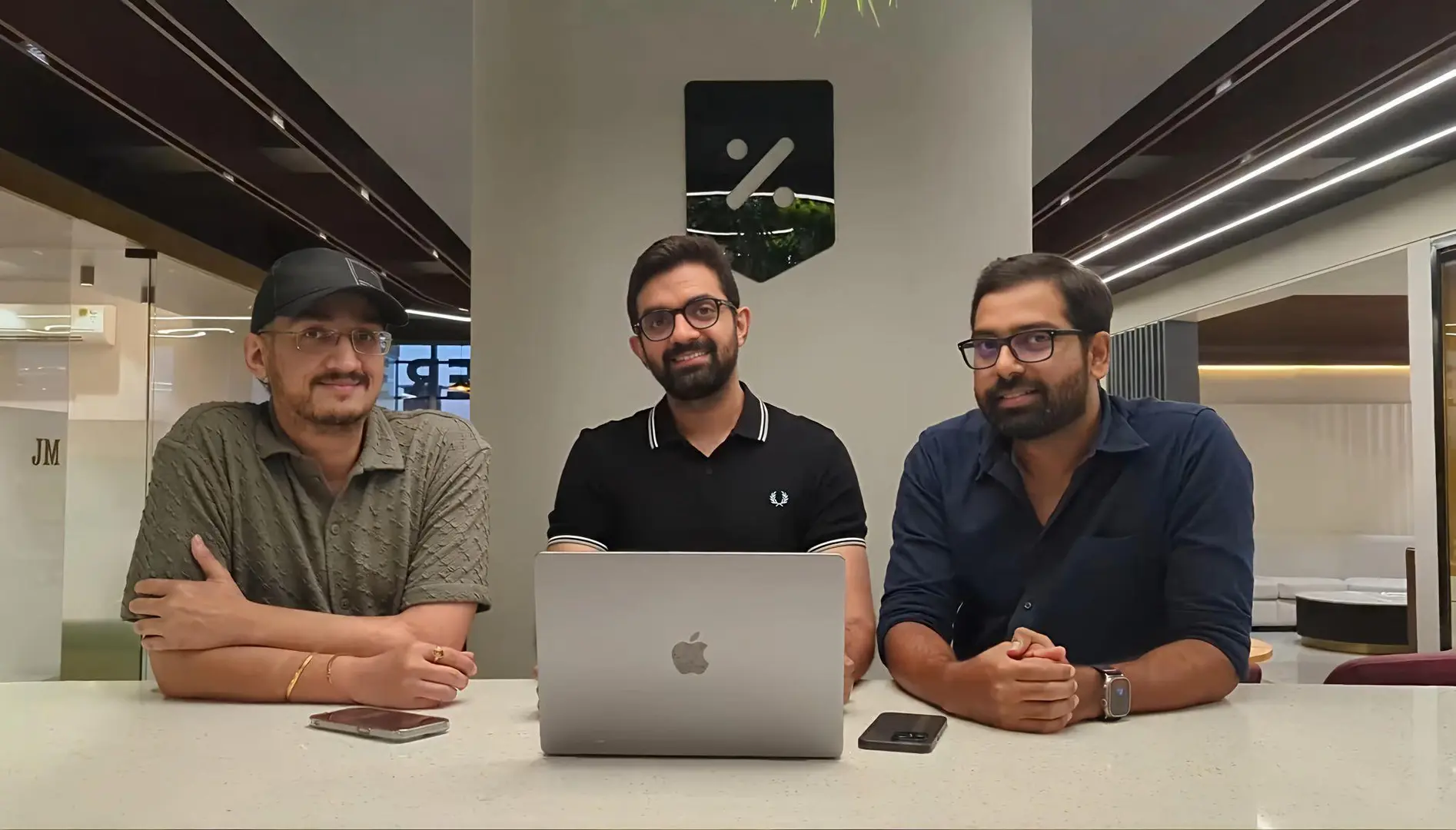

A few years ago, the conversation about alternative investments in India was largely happening between wealth managers and their high-net-worth clients. The products existed. The returns were real. But the entry points were high, understanding was limited, and the infrastructure to bring these opportunities to a broader investor base simply was not there.
That is changing, and it is changing faster than most people expected.
Per Annum, one of India's growing alternative investment platforms, reached Rs 1,500 crore in AUM as of August 2026, a 400% increase within the last 12 months. The platform has deployed more than Rs 12,500 crore in capital over its lifetime. The numbers reflect something broader than one company's growth. They reflect a market in the middle of a genuine shift in how retail investors think about where their money should go.
What is driving the change
The shift toward alternative investments is not driven by any single factor. It is the intersection of several things happening at once.
Equity markets have delivered muted returns across extended periods. Debt mutual funds lost some of their tax efficiency advantage after the 2023 rule changes. Gold had its rally and settled. Fixed deposits, for all their reliability, do not keep pace with inflation for investors willing to take on more risk. The result is a growing cohort of investors looking for returns that are not correlated with what happens on Dalal Street, and who are willing to do the work of understanding what they are investing in.
Technology has lowered the barriers that used to make this category inaccessible. Discovery, onboarding, portfolio tracking, and communication that once required a relationship manager can now happen through a digital platform. That expansion in access is pulling in investors from cities and income levels that the alternative investment ecosystem has not historically served.
Regulatory maturity has added the third ingredient. The evolution of the framework around P2P lending, fractional real estate, and private credit has brought greater clarity around platform responsibilities and investor protections. Investors who might have hesitated two years ago because the regulatory picture was unclear are now more confident asking the right questions and making informed decisions.
What the investor is actually asking for
The most revealing thing about where this market is going is not the products; it is the questions investors are asking.
A few years ago, the conversation started and ended with returns. Now it includes governance, underlying assets, portfolio construction, liquidity, risk, and compliance. Investors are asking how a product fits within their broader portfolio, not just what rate it promises. That shift in the quality of the conversation is the most durable signal that the market is maturing.
The range of what retail investors want is also broadening. Some are looking for predictable cash flows. Others want higher return potential and are comfortable with less liquidity. Some want exposure to real estate without the capital required for direct property ownership. Fractional real estate is meeting that demand. Others want diversified fixed-income exposure outside the banking system, which is where P2P and private credit come in.
The platform that will win this market over the next few years is not the one that has the most products. It is the one that helps investors understand which products are right for them.
The road to Rs 10,000 crore
Per Annum has set a target of Rs 10,000 crore in AUM by 2028. The target is worth understanding in context. At the current AUM of Rs 1,500 crore, reaching that number requires roughly a 6.7x increase over two years. Given the 400% growth in the last 12 months, the trajectory is not implausible. What it requires, though, is not just scale but the right kind of scale.
The platform's roadmap is built around three priorities. Expanding the product ecosystem across P2P, private credit, and fractional real estate. Strengthening the technology layer to make the investor experience more seamless, from discovery through to portfolio management. And continuing to build trust through transparency, investor education, and compliance discipline that scales alongside the business rather than becoming an afterthought to it.
The last priority is the hardest and the most important. Alternative investments are more complex than traditional financial products. Access is not the same as understanding, and understanding is not the same as trust. Platforms that treat investor education as a cost centre rather than a core function will eventually pay for that decision in attrition and reputation.
What is in store ahead?
India's wealth market is going through a generational transition. A younger investor base, more financially literate than any generation before it, is asking for more than fixed deposits and index funds. They want diversification. They want access to asset classes that used to be available only to the wealthy. They want platforms that treat them as sophisticated participants rather than as people to be sold a product.
The alternative investment ecosystem is not a niche anymore. It is becoming the next significant layer of India's financial markets. The platforms that build the right combination of access, product quality, transparency, and trust in this window will have a meaningful head start when the mainstream of Indian retail investing arrives, as it is already beginning to.
(Disclaimer: The views and opinions expressed in this article are those of the author and do not necessarily reflect the views of YourStory.)