



AI boom could drive a new wave of chemical pollution
AI needs chips, data centres and advanced cooling, but that growth could also fuel demand for PFAS, the chemicals known as forever chemicals.

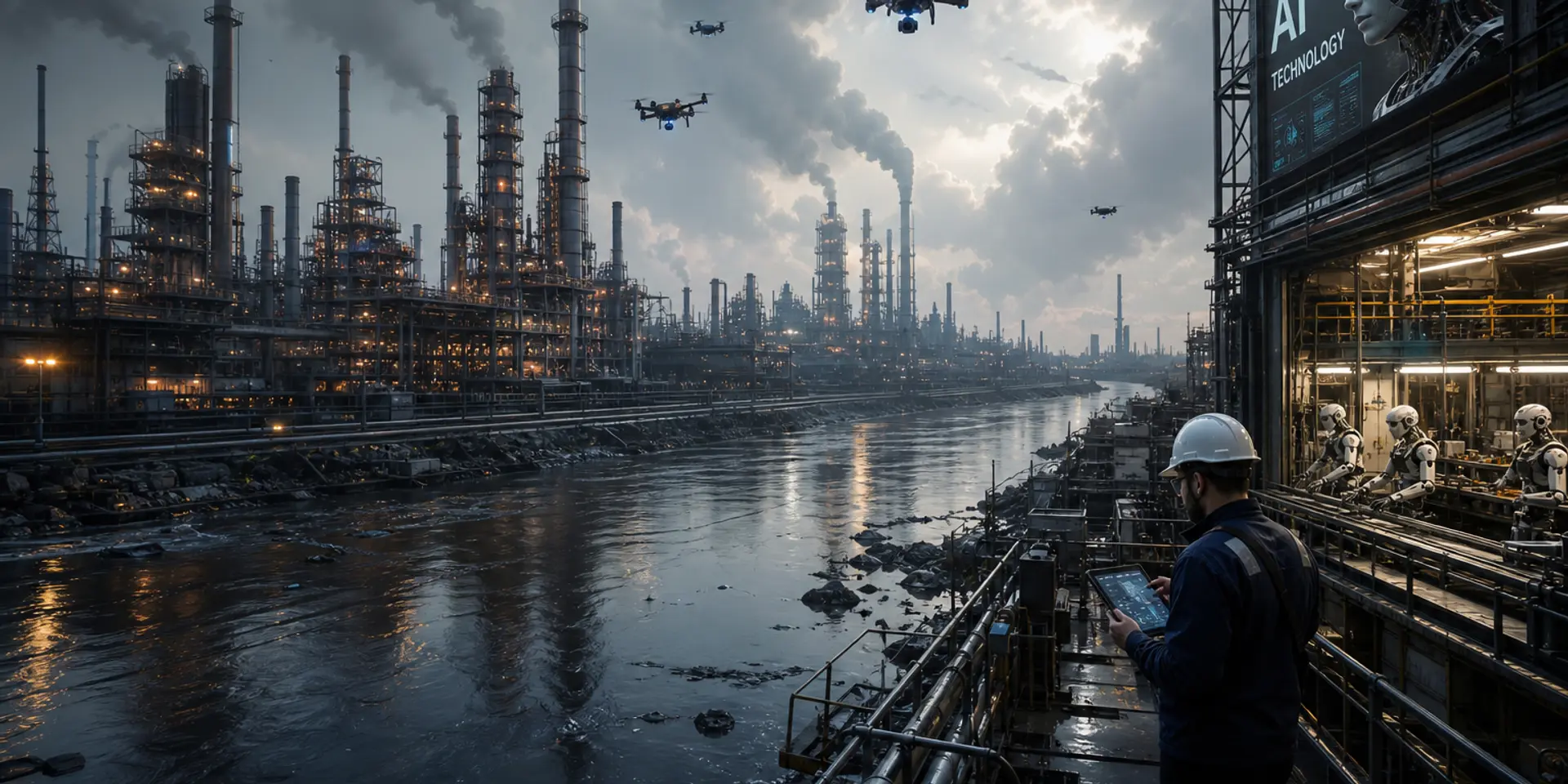

Behind the rapid growth of artificial intelligence is a vast physical network of chips, servers, cooling systems and data centres. A new warning from Swedish chemical watchdog ChemSec says this expansion could also drive a sharp rise in PFAS production.
PFAS, often called “forever chemicals”, are a family of industrial substances that can resist heat, water, corrosion and chemical reactions. Those properties make them useful in semiconductor manufacturing and some specialised cooling systems used in next-generation data centres.
As AI companies demand more powerful processors, the semiconductor supply chain is expanding alongside increasingly large and complex data centres. Reports say several major PFAS producers are preparing to increase output to meet that demand.
Where AI infrastructure uses PFAS
One area of concern is two-phase immersion cooling. The system places servers in a liquid with a low boiling point. When the hardware heats up, the liquid turns into vapour and carries the heat away. The approach can be more efficient than conventional cooling, but some versions rely on PFAS-based fluids.
That adds another environmental concern to an industry already facing scrutiny over electricity consumption, carbon emissions and water use. The chemical footprint of AI has received less attention, even though specialised materials are needed throughout the semiconductor and high-performance computing supply chains.
Why PFAS are difficult to contain
The durability that makes PFAS useful also makes them difficult to manage. Many of these chemicals break down very slowly and can persist in soil, water, wildlife and human bodies for years.
Health agencies have linked exposure to certain PFAS with increased cholesterol, liver enzyme changes, reduced vaccine response, lower birth weight, pregnancy-related hypertension and some cancers.
Once released, PFAS can continue circulating through ecosystems. Environmental groups therefore warn that increased production could leave behind long-term contamination and expensive clean-up challenges.

Chemical companies are expanding production
Companies named in reports include Daikin, Arkema, Chemours, AGC, Dongyue, Orbia, Syensqo and India-based Gujarat Fluorochemicals. Arkema has announced a new $60 million production unit in Kentucky, while Chemours has linked expansion to demand from advanced data centres and AI hardware.
There are also signs that some companies are moving away from PFAS. BASF plans to exit PFAS production by 2028, while Archroma is developing PFAS-free alternatives. ChemSec has said safer substitutes are increasingly available in some industries, supported by regulation and innovation.
Can AI grow without a chemical cost?
The question is no longer only how much computing power AI needs. It is also about the materials required to build and cool that infrastructure. As governments consider tighter PFAS rules, technology companies and suppliers could face greater pressure to include chemical safety in their AI sustainability plans.
The AI boom is being measured in chips, data centres and computing power. But behind those systems is a supply chain of chemicals and materials that could leave an environmental footprint long after the servers have been replaced.