



Could AI destroy humanity? Andrew Ng calls it science fiction
Are AI extinction fears back? Andrew Ng says the focus should shift from doomsday scenarios to practical safety work and managing real risks.

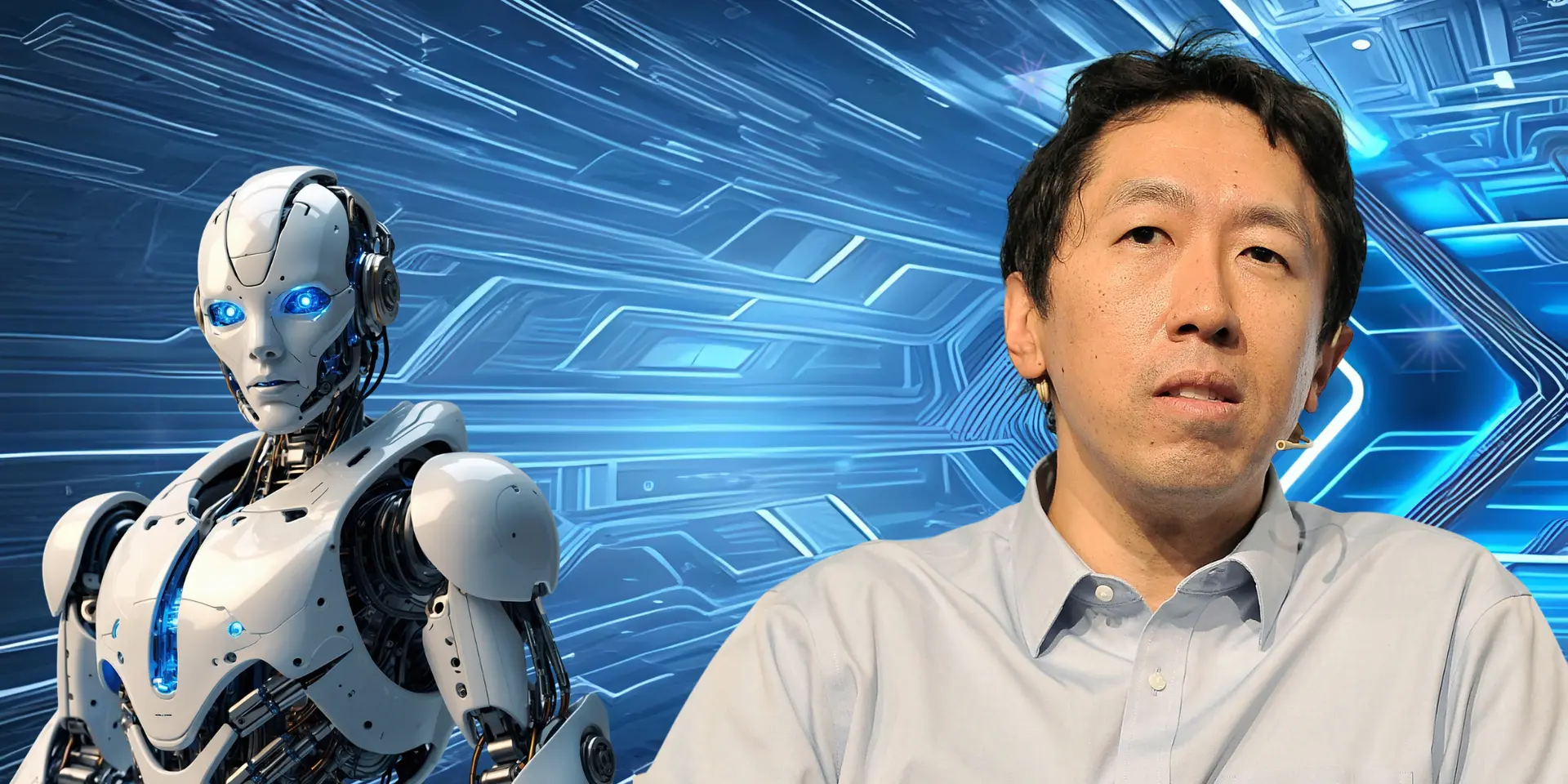

Can AI really destroy humanity? It is one of the hardest questions in the AI debate, and there is no consensus on the answer.
Andrew Ng, the AI researcher who helped start Google Brain and co-founded Coursera, has now pushed back against what he sees as an excessive focus on human extinction from AI. In a Bloomberg TV interview, Andrew described those concerns as “much more science fiction than science”.
His argument is not that AI is risk-free. Instead, he wants more attention on risks that can be studied and addressed through engineering and practical safeguards.
Why AI extinction is being debated
Worries about AI causing catastrophic harm are not new. But they have received renewed attention after researchers from major AI companies publicly raised concerns about the development of increasingly capable systems.
Former Anthropic and OpenAI researcher Jacob Coxon recently left the field and accused AI companies of “gambling with our lives” by racing towards super-intelligent AI. Other researchers have also warned about the possibility of serious harm from advanced systems.
At the same time, AI leaders including OpenAI CEO Sam Altman and Anthropic CEO Dario Amodei have discussed the need for stronger safeguards and caution around the development of more capable models.
This leaves the industry debating two related but different questions: what risks can advanced AI create today, and what risks could emerge if AI eventually becomes far more capable?
What Andrew thinks is getting too much attention
Andrew Ng argues that extinction scenarios are receiving more attention than the evidence currently supports. He said the technology industry had previously amplified fears about catastrophic AI harms during the early AI boom, suggesting that such narratives could also serve publicity and regulatory purposes.
He said he was concerned that a new wave of similar messaging could distract from AI's potential benefits. Instead, Ng points towards what he calls practical engineering problems.
These include cybersecurity risks, misuse, reliability and building safeguards that make AI systems safer to deploy. His position is that these problems can be investigated, tested and addressed as the technology develops.

The debate is not simply optimism versus fear
The disagreement is partly about evidence and time horizons. Some AI researchers are concerned about hypothetical future systems that could become difficult for humans to control. Others argue that there is not enough evidence to treat human extinction as a credible near-term outcome.
AI researcher Sara Hooker, for example, recently told NDTV that human extinction is not a credible AI risk, while other researchers have publicly expressed much stronger concerns. That difference matters because discussions about AI safety can cover very different things.
A model generating misinformation, enabling cyberattacks or making unreliable decisions presents a different type of problem from a hypothetical system capable of causing human extinction.
Andrew Ng's argument is essentially that safety work should focus heavily on risks that can be measured and addressed now, rather than allowing the most extreme scenarios to dominate the conversation.
The question for the AI industry is how much evidence exists for different risks, how they should be managed, and how safeguards can keep pace as AI systems become more capable.