



AI firm Fractal Analytics trims IPO size to Rs 2,834 Cr
With a smaller Rs 2,834 crore IPO, Fractal Analytics aims to fund operations while allowing early investors to monetise holdings without promoter dilution.


Fractal Analytics, an artificial intelligence (AI) and advanced analytics firm, on Tuesday pared back its public offering to nearly Rs 2,834 crore from about Rs 4,900 crore IPO size sketched out in its draft red herring prospectus (DRHP).
The revised figure, mentioned in its red herring prospectus (RHP), reflects a narrower capital raise aimed at balancing the company’s growth plans with a significant partial exit by private equity (PE) investors.
The fresh issue will raise Rs 1,023.5 crore through new shares issued by the company, while the offer for sale (OFS) will see existing shareholders sell shares worth about Rs 1,810.4 crore. Together, they add up to Rs 2,833.9 crore. These figures underline that more than half of the proceeds will go to selling shareholders rather than the company.
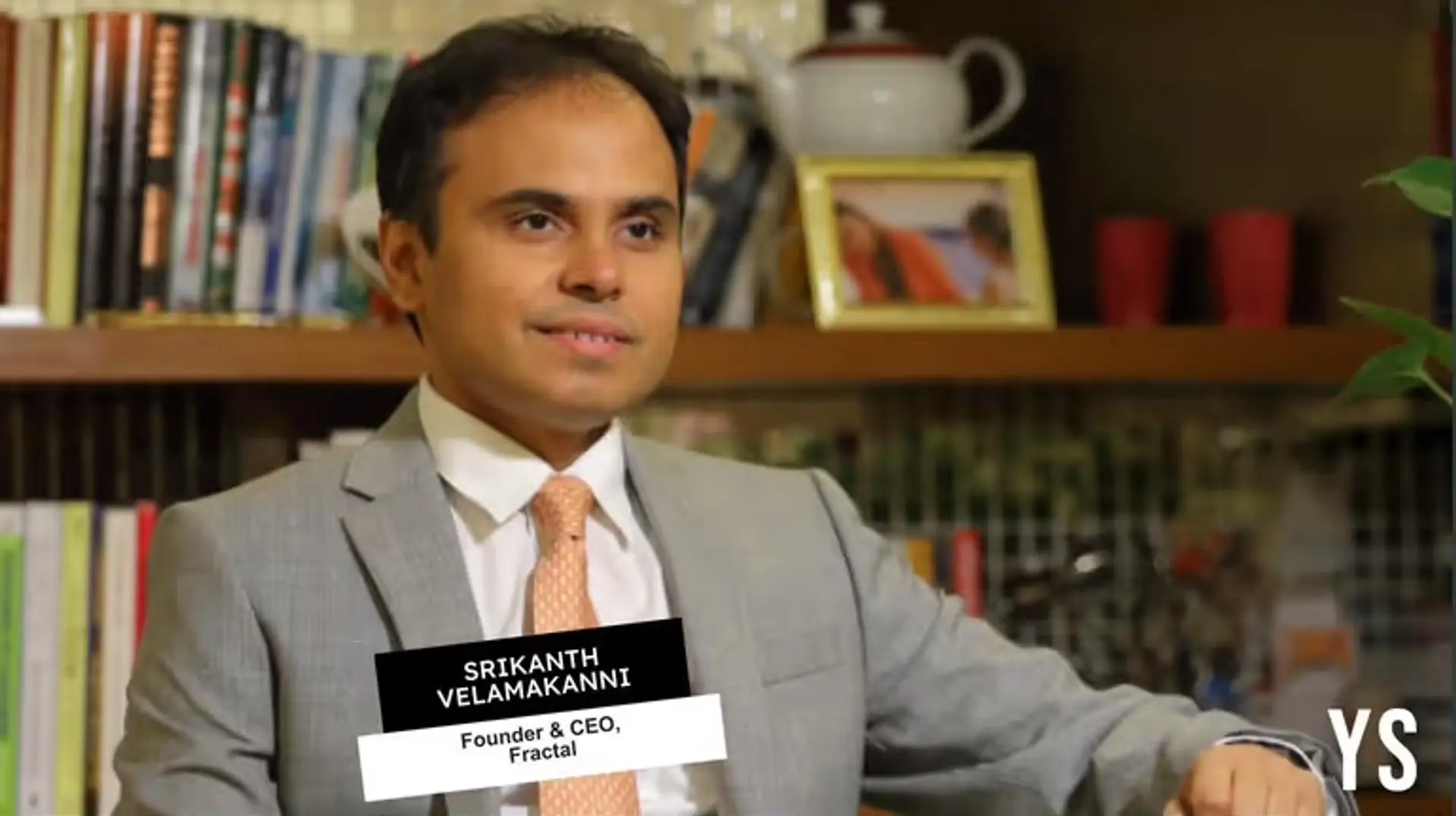
The company’s founders and long-standing executives remain at the helm, including Srikanth Velamakanni and Pranay Agrawal, together with Chetana Kumar, Narendra Kumar Agrawal, and Rupa Krishnan Agrawal. At the same time, large PE holders will monetise part of their stakes.
Selling shareholders include Quinag Bidco Ltd and TPG Fett Holdings Pte. Ltd., alongside other shareholder vehicles such as GLM Family Trust. While the promoters are not taking the exit route, the transaction will alter the shareholding mix by increasing the public float, enabling early backers to realise gains.
The fresh issue proceeds are earmarked for general corporate purposes and to provide balance-sheet strength as the business scales. The prospectus stated that the net proceeds will support working capital and strategic flexibility rather than immediate debt repayment or one-off uses.
Management stressed that the funds will underpin investments in product and go-to-market activities, although the text stops short of a detailed capital allocation schedule.

The Mumbai-headquartered company sells advanced analytics and applied AI services to large enterprise customers. It combines consulting, model-building and software platforms to help clients personalise customer experiences, optimise operations, and extract decision-ready insight from large data sets.
The AI firm provides advanced analytics with a broad sector footprint, including consumer goods, technology, healthcare, and financial services. That client mix is skewed towards the United States, which remains the single largest market for revenue.
The anchor investor bidding, scheduled for February 6, will take place one business day ahead of the main offer. The public offer will open on February 9 and close on February 11. The company intends to list on both major Indian exchanges, the NSE and the BSE.
Qualified institutional buyers are allocated at least 75% of the net offer, whereas non-institutional investors may receive up to 15% and retail investors up to 10%. There is also an employee reservation portion capped at Rs 60 crore, equivalent to about 5% of post-offer equity, to allow eligible staff to participate.
For the year ended March 31, 2025, Fractal Analytics clocked Rs 2,765.4 crore in revenue from operations. Group EBITDA for the same period stood at Rs 398 crore, giving an EBITDA margin of 14.4%. Adjusted EBITDA, which adds certain stock-based and one-off items, was Rs 482.1 crore, with a margin of 17.4%. The company reported a profit after tax of Rs 220.6 crore, producing a reported PAT margin of 8%.
For the full year March 2025, it generated positive cash from operations worth Rs 397.0 crore. By contrast, the six months ended September 20, 2025, showed the operating cash flow of negative Rs 21.4 crore.
The company holds a liquid investment portfolio, reporting cash and cash equivalents of Rs 110.2 crore and unquoted liquid mutual fund investments of Rs 671.7 crore as of September 30, 2025. The balance sheet liquidity backs the management’s case that the net proceeds from the offering will be sufficient for working capital needs for the coming year.
Edited by Suman Singh