



SpaceX acquires xAI as Musk plans to push AI ambitions into orbit
The acquisition brings Elon Musk’s AI venture under SpaceX, as the company sets out a strategy that links future AI computing capacity to orbital systems.

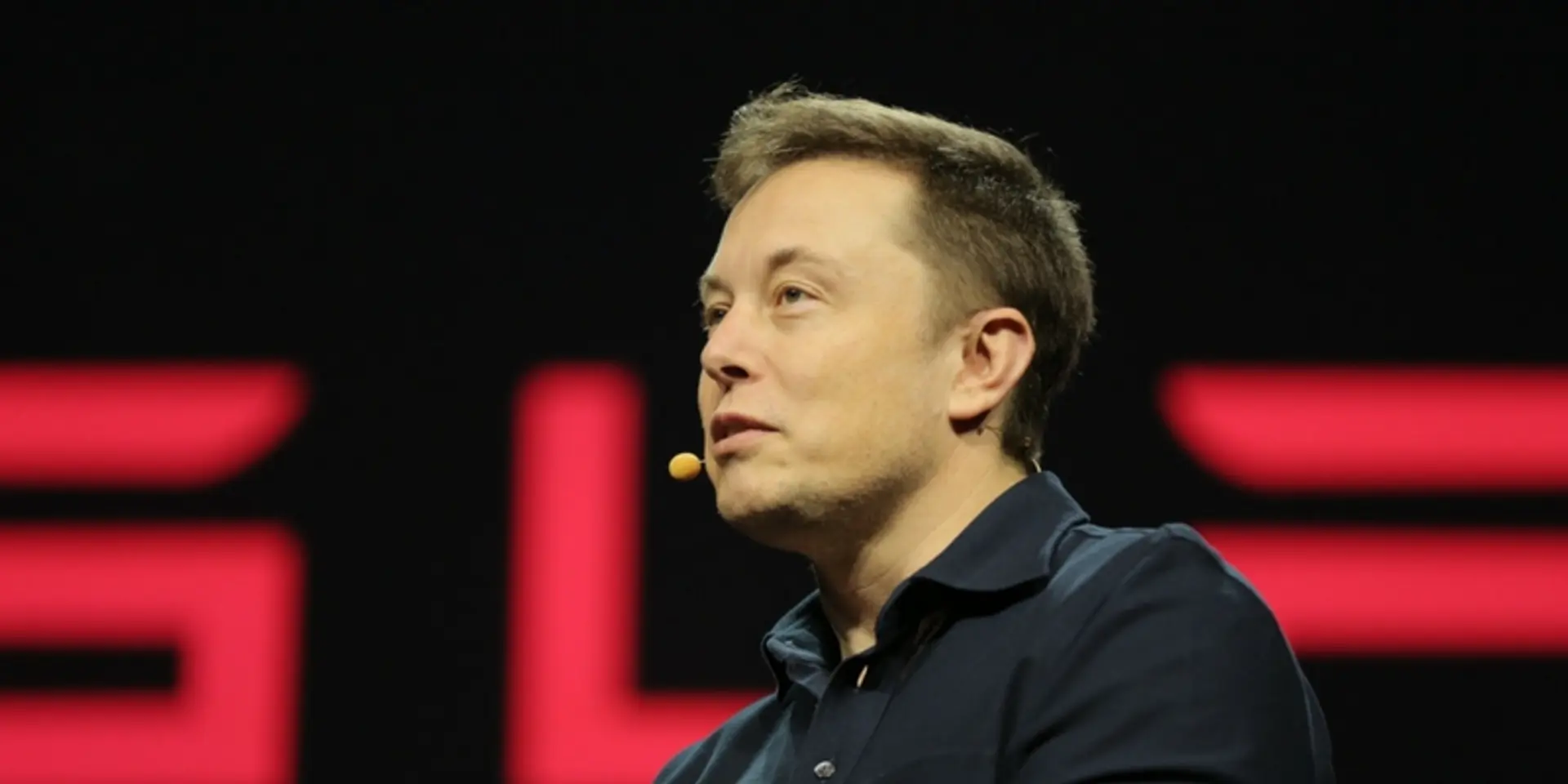

Elon Musk-led SpaceX has announced that it has acquired xAI, bringing the billionaire’s artificial intelligence (AI) venture under the same corporate roof as his rocket and satellite business.
The move is a strategic step to couple advanced AI with SpaceX’s launch and satellite infrastructure.
Musk, the world’s richest person, set out an expansive rationale for the deal, writing that the combination will create “the most ambitious, vertically-integrated innovation engine on (and off) Earth, with AI, rockets, space-based internet, direct-to-mobile device communications and the world’s foremost real-time information and free speech platform.”
Musk’s words highlight a long horizon plan that ties AI compute to orbital infrastructure. A central technical argument in Musk’s post is that terrestrial data centres cannot sustainably meet the energy demands of future AI systems.
Musk wrote that harnessing near-constant solar power in orbit offers a path to much cheaper large-scale compute, and he estimated that “within 2 to 3 years, the lowest cost way to generate AI compute will be in space.”
Similar projections are already reflected in public discussion about a potential orbital data-centre constellation.
According to a report by Reuters, SpaceX is preparing for an initial public offering (IPO) this year, and that combining xAI’s assets with SpaceX could strengthen the public case for funding very large space programmes. Some reports put a combined valuation in the roughly $1 trillion range, with specific figures and transaction terms varying across reports.
Building and operating data centres in space poses engineering challenges that range from hardware resilience in the space environment to latency for Earthbound users, and regulators will be asked to weigh spectrum, orbital debris and national-security implications.
SpaceX’s filings proposing a constellation of up to one million satellites to serve as high-bandwidth, optically-linked compute nodes have already drawn scrutiny from technical and policy experts.
Bringing xAI and its products such as the Grok chatbot together with Starlink and other Musk-linked platforms concentrates capabilities that span communications, real-time information and AI under one corporate structure. This concentration could invite closer regulatory attention, particularly if SpaceX proceeds with a large public listing.
The acquisition signals an intensification of Musk’s long-held belief that the next phase of AI will be tightly coupled with space-based infrastructure.
Late last month, another Musk-led firm, Tesla, entered into an agreement to invest about $2 billion to acquire shares of xAI as part of its recently disclosed funding round. The AI company had raised $20 billion earlier in January, surpassing an original $15 billion target in a deal that drew sovereign, institutional and strategic backers.
The billionaire entrepreneur controls a cluster of companies spanning space, transport, AI and communications. SpaceX builds rockets, spacecraft and the Starlink satellite network. Tesla produces electric vehicles, batteries and energy systems, with autonomy software central to its strategy. X operates a global real-time communications platform. xAI develops large language models and AI tools designed to integrate with Musk’s platforms. Neuralink works on implantable neural devices for medical use, while The Boring Company builds underground transport tunnels.