



AI is rewriting SEO: Here's what marketers need to know
AI SEO is changing search with smarter intent analysis, content optimisation and predictive insights. Learn what marketers must do next.

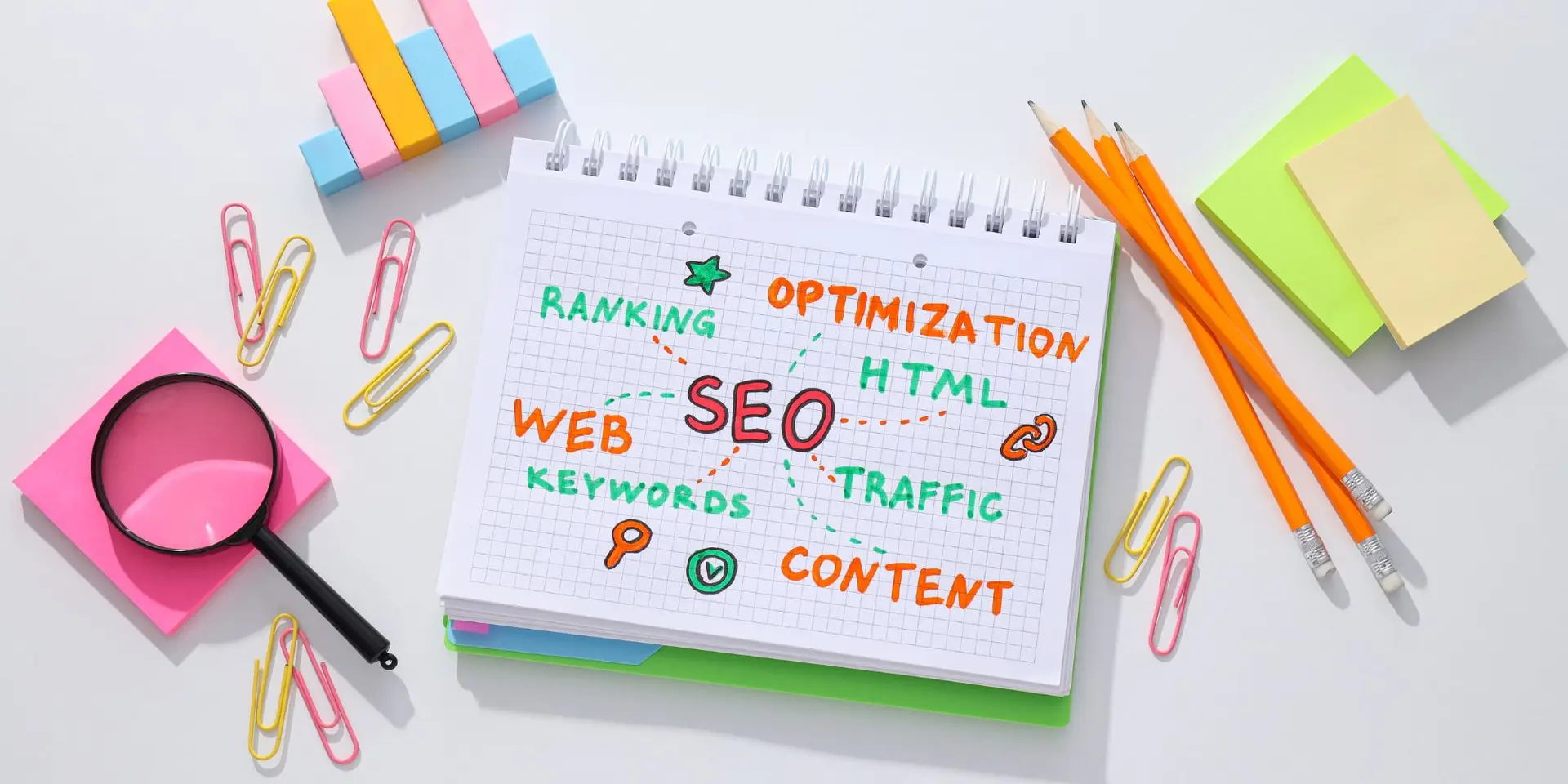

Search engines are getting smarter, and so must marketers.
As artificial intelligence becomes deeply integrated into search, the rules of SEO are evolving. Success is no longer about inserting the right keywords into a webpage. Instead, search engines are increasingly evaluating whether content genuinely answers a user's question, demonstrates expertise and delivers a better experience.
This has given rise to AI SEO, an approach that combines traditional search engine optimisation with AI-powered insights. Rather than replacing SEO, AI is helping marketers better understand user behaviour, optimise content and make faster, data-driven decisions.
Search intent is replacing keyword obsession
For years, SEO strategies revolved around identifying high-volume keywords and using them throughout a page. While keywords still matter, AI-powered search engines now focus more on understanding intent.
For example, someone searching for "best CRM for small teams" is likely looking for product comparisons, pricing, features, and recommendations, not just pages that repeat the same keyword. Modern SEO, therefore, requires content that answers the complete question rather than simply matching search terms.
Creating content around user needs instead of individual keywords improves relevance and increases the likelihood of appearing in AI-generated search summaries and rich results.
Helpful content wins in AI-powered search
AI tools have made content creation faster than ever. They can generate outlines, suggest topics, analyse competitors and even draft articles. However, speed alone is not enough. Search engines continue to prioritise original, useful and trustworthy content.
Marketers should focus on clear structure, informative headings, accurate information and expert insights that genuinely help readers solve problems. Well-organised content also makes it easier for AI systems to identify important information, increasing the chances of being featured in AI summaries and conversational search experiences.
Data has become a competitive advantage
One of AI's biggest strengths is its ability to process large amounts of information quickly. Modern SEO platforms can analyse search trends, competitor strategies and user behaviour far faster than manual research.
Predictive analytics, which uses historical data to forecast future outcomes, allows marketers to identify emerging topics, refresh outdated pages and anticipate shifts in search demand before competitors do.
These insights help businesses make smarter content decisions and allocate marketing resources more effectively.

Technical SEO still matters
Despite the rise of AI, the technical foundations of SEO remain as important as ever. Fast-loading websites, mobile-friendly design, logical site architecture and accessible content continue to influence search performance.
Schema markup also plays a growing role. It is a type of structured code that tells search engines whether a page contains a product, article, review, event or FAQ. This additional context helps AI-powered search engines understand content more accurately and present it appropriately in search results.
The future of SEO is human-led and AI-assisted
The most successful SEO strategies combine human expertise with AI capabilities. AI can automate research, identify opportunities and streamline workflows, but it cannot replace creativity, critical thinking or deep subject knowledge.
As search continues to evolve, marketers should focus on creating content that answers real questions, builds trust and delivers genuine value. In an AI-driven search landscape, visibility will increasingly belong to brands that prioritise quality, credibility and user experience over keyword density alone.