


Amazon Develops AI Chips to Power Next-Generation Smart Devices
Amazon is developing custom AI chips to power Alexa+ and future Echo devices, enabling faster responses, smarter automation and improved smart home experiences.

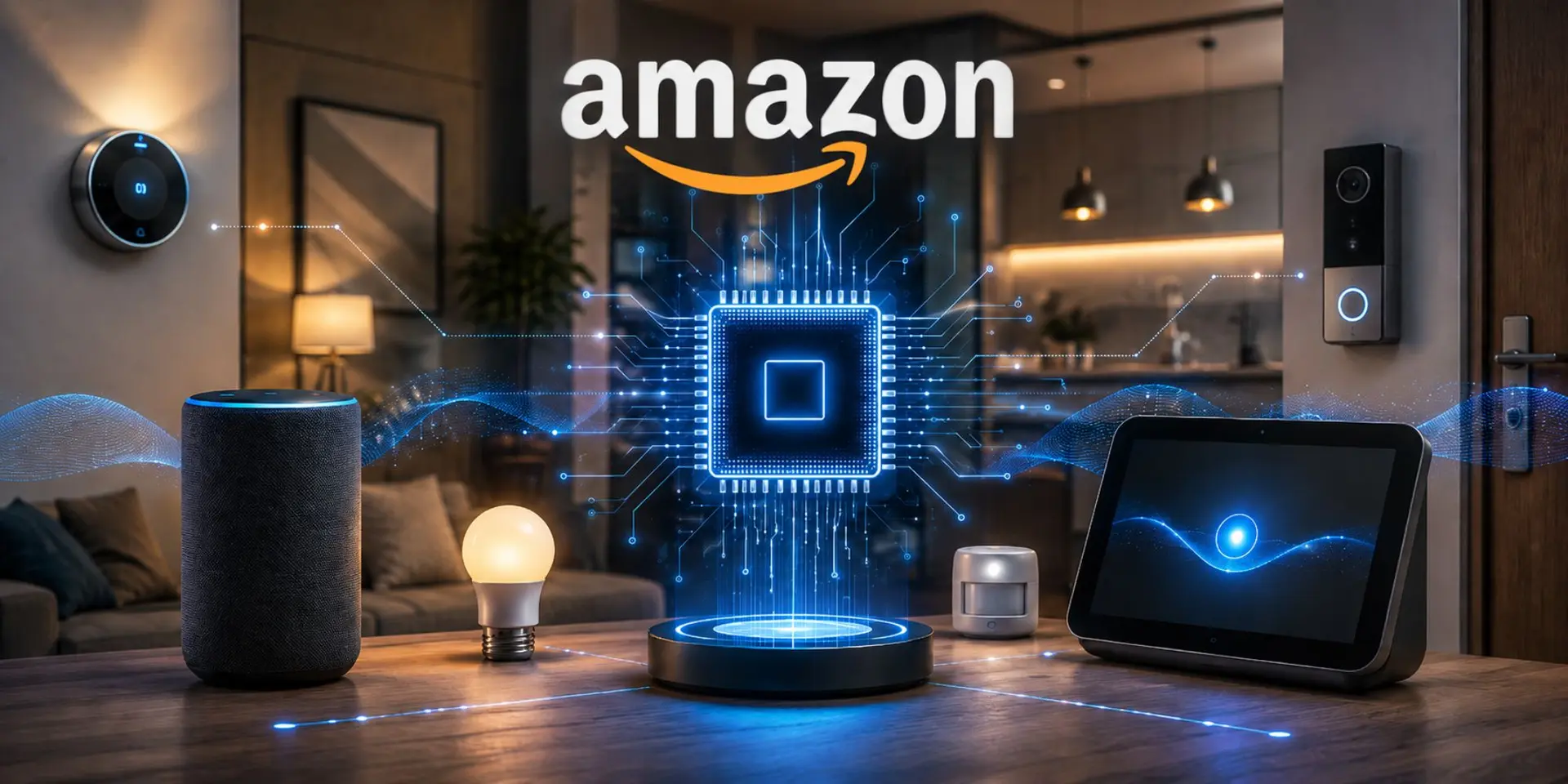

Smart devices are getting smarter from the inside out. Amazon is developing AI chips to support the next generation of its smart devices, strengthening its push to make products such as Echo speakers, Echo Show displays and Alexa-powered home gadgets faster, more responsive and more useful in daily life.
The focus is not just on making devices more powerful. Amazon aims to create hardware that can better support Alexa+, its upgraded AI assistant, while helping devices understand context, respond quickly and work more naturally across the smart home.
Custom chips give Amazon greater control over performance, cost and design, rather than relying entirely on third-party processors.
Why AI chips matter for Alexa+
AI chips are specialised processors built to handle artificial intelligence tasks efficiently. In simple terms, they help devices process speech, images, sensor data and other information faster than standard chips, often while using less power.
For Alexa+, this matters because modern AI assistants are expected to do more than answer basic questions. They need to understand follow-up requests, manage connected devices, provide reminders, recognise household patterns and offer more personalised help.
Some of that intelligence still depends on cloud computing, but on-device AI can reduce delays and make interactions feel smoother. Amazon has already shown how custom silicon can support this direction through newer Echo devices designed around AI acceleration and sensing capabilities.
These chips are expected to help Alexa respond more quickly, process certain tasks locally and support features that feel more proactive rather than purely command-based.
Smarter homes with ambient AI
A key part of Amazon’s vision is ambient AI, which means technology that works quietly in the background instead of waiting for repeated commands. In a smart home, this could mean reminding someone about an unlocked garage door, adjusting routines based on movement or helping manage devices more contextually.
To achieve this, Amazon is combining AI chips with sensors, cameras, microphones and software. The result could be smart devices that understand more about what is happening around them while still needing clear privacy controls and user trust. As connected devices gather more signals from the home, transparency over data use will remain an important issue.

A bigger race in consumer AI hardware
Amazon’s chip development also places it in a broader race with major technology companies investing in custom silicon. AI hardware has become a strategic advantage because it can improve product performance, reduce dependence on external suppliers and support new device formats.
For consumers, the impact may appear gradually. Future Amazon devices could become faster, more conversational and better at managing everyday tasks. The real test will be whether these improvements feel useful, affordable and trustworthy in the home.
Amazon’s investment in AI chips indicates that the next phase of smart devices will not be defined only by software. The hardware inside them will play an equally important role in shaping how AI fits into everyday life.