



The datacentre’s metamorphosis: Why Colocation 2.0 is your next strategic imperative
Colocation facilities are far more than just cages and racks for rent. These platforms are evolving into truly cloud-neutral environments, providing multi-cloud interconnects, AI-ready architecture, and specific on-ramps for public cloud providers.

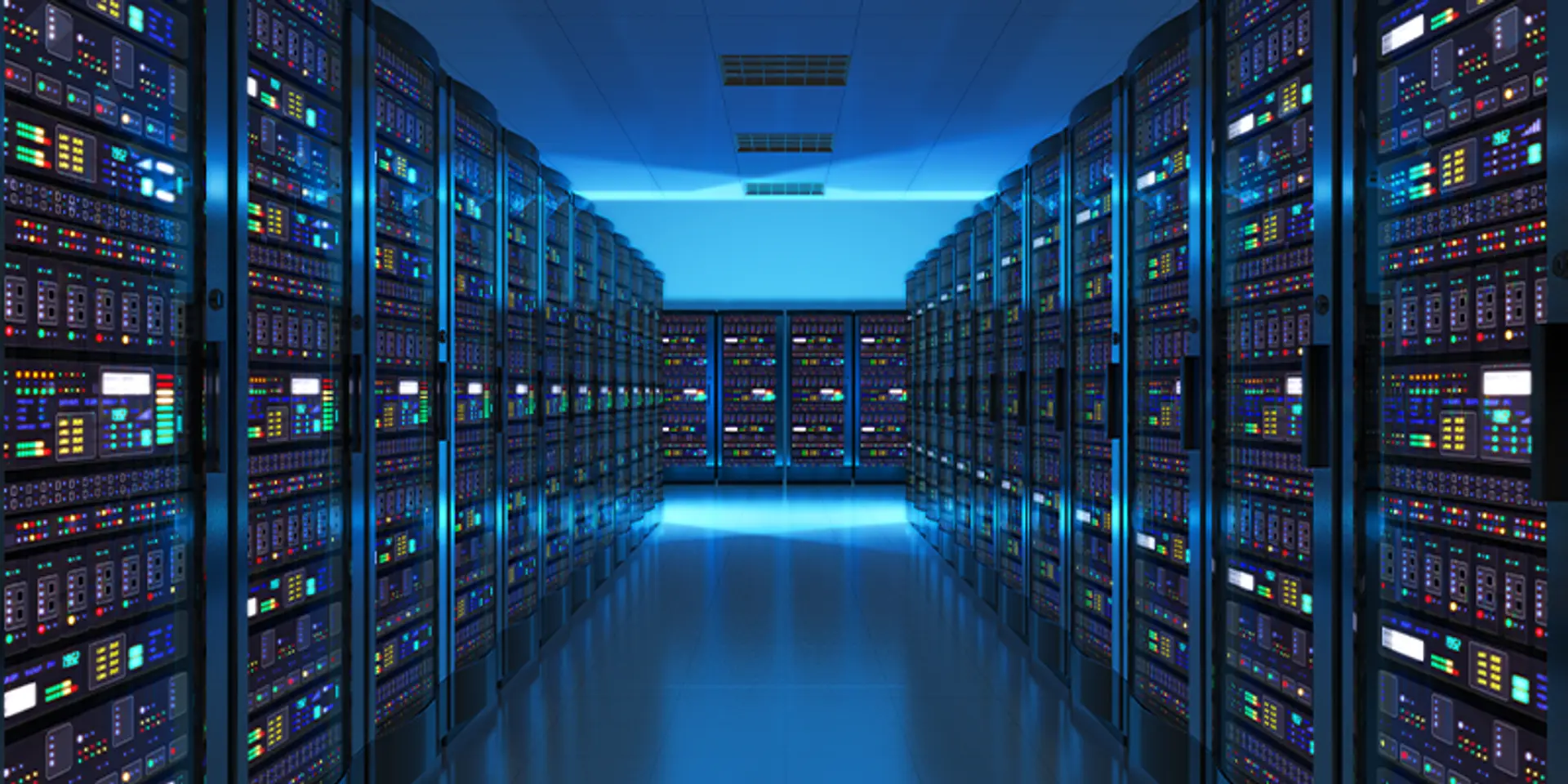

India’s digital economy is undergoing a reconfiguration, and at the heart of this seismic shift lies a rapidly evolving datacentre industry. What enterprises expect from their infrastructure partners has been fundamentally redefined by the insatiable demand for AI, the pervasive rollout of 5G, the agility of cloud-native services, and the immediacy of real-time applications.
What began as a straightforward server hosting exercise has evolved into the Colocation 2.0 era—an intelligent, interconnected, and inherently sustainable digital infrastructure development.
This isn’t merely about the expansion of physical infrastructure. It signifies the emergence of strategic digital ecosystems. The dynamic environments empower Indian companies to innovate with unprecedented speed and operate with unparalleled intelligence seamlessly combining cloud, AI, and data services in real-time.
AI and Edge reshape the market landscape
India’s datacentre capacity has surpassed the 1 GW mark; it’s accelerating at a blistering pace. This momentum is no longer confined to traditional metro hubs like Mumbai, Chennai, and Bengaluru. Demand is expanding rapidly in emerging digital frontiers such as Hyderabad, Pune and even Tier II cities like Patna, Jaipur, Bhopal, Bhubaneswar, Lucknow, Kochi and Guwahati. This decentralisation of infrastructure is a direct consequence of AI-powered applications, low-latency content services, and stringent data localisation requirements that demand processing power closer to end users.
Colocation facilities nowadays are far more than just cages and racks for rent. These platforms are evolving into truly cloud-neutral environments, providing multi-cloud interconnects, AI-ready architecture, and specific on-ramps for public cloud providers. The explosion of AI, particularly, is driving high-density, GPU-optimised environments capable of training massive models and executing complex inferencing workloads.
Forging digital ecosystems, not just data rooms
The most significant change is conceptual. Colocation 2.0 is about creating comprehensive digital ecosystems rather than isolated server rooms. Indian enterprises today demand the ability to scale AI workloads in real time, requiring seamless access to public, private, and hybrid clouds, underpinned by ultra-high-speed interconnectivity.
As a result, the design and operation of facilities have undergone radical rethinking. High-performance GPU clusters, advanced liquid cooling systems (including direct-to-chip and immersion cooling), and AI-optimised power management frameworks are rapidly becoming the new standard. Considering the burgeoning gaming industry in India, or the rapid adoption of digital payments via UPI, these time-sensitive services demand low-latency, distributed edge infrastructure to run without disruption, irrespective of the geography. The proliferation of 5G networks is further accelerating this need, pushing compute closer to the network edge to unlock new applications in smart cities, IoT and autonomous systems.
The real significance of this shift lies in how colocation providers have evolved from being mere space providers to becoming active enablers of interconnected digital ecosystems. They empower enterprises to provision infrastructure dynamically, connect securely to multiple clouds, and run compute-intensive applications without the burden of managing physical assets. This allows Indian businesses, from startups to conglomerates, to focus on their core innovation.
Sustainability: A non-negotiable competitive advantage
The AI wave has brought with it a sharp increase in energy consumption. Generally, datacentres supporting AI workloads consume several times more power than those running conventional applications. This has made energy efficiency and sustainability not just operational goals, but critical market differentiators and a key focus for Indian companies.
To handle increasing thermal loads while drastically reducing water and power consumption, advanced cooling technologies are being rapidly implemented. Facilities are increasingly integrating renewable energy sources, such as solar and wind power, smart grid solutions, and AI-based energy optimisation to reduce their carbon footprint.
Edge datacentres, especially those in Tier II cities, are designed for hyper-efficiency, minimising transmission losses and enhancing power reliability. The ability to deliver sustainable, AI-ready infrastructure in a high-growth, power-hungry environment is becoming essential to long-term competitiveness and meeting India’s ambitious climate goals.
Preparing for an AI-driven, decentralised economy
The role of colocation will deepen profoundly with the continued expansion of India’s digital infrastructure. Future-ready datacentres will play an indispensable role in India’s widespread AI adoption, the full realisation of 5G networks, the growth of decentralised financial services, and the development of smart city initiatives. Enterprises will increasingly look for infrastructure partners that offer not just rack space, but end-to-end solutions encompassing seamless cloud interconnectivity, cutting-edge AI computing environments, and sovereign hosting capabilities that address data residency concerns.
What sets this new phase apart is the fundamental mindset shift it demands. Colocation is no longer about provisioning physical infrastructure. It’s about delivering tangible outcomes: faster application performance, secure data residency, seamless AI deployment, and demonstrably sustainable operations.
The next chapter in India’s datacentre story will be led by operators who not only understand this profound shift but actively build intelligent, resilient, and deeply integrated ecosystems. These are the foundational pillars that will power the country’s AI-intensive, decentralised, and globally competitive digital future, transforming the nation into a true digital powerhouse.
The author is President, Colocation Business at CtrlS Datacenters.
Edited by Swetha Kannan
(Disclaimer: The views and opinions expressed in this article are those of the author and do not necessarily reflect the views of YourStory.)