



Feeding focus: How AI-driven cafeterias are boosting productivity at work
With personalised suggestions, employees make better choices most of the time, which in turn lead to healthier habits that endure in the long run.



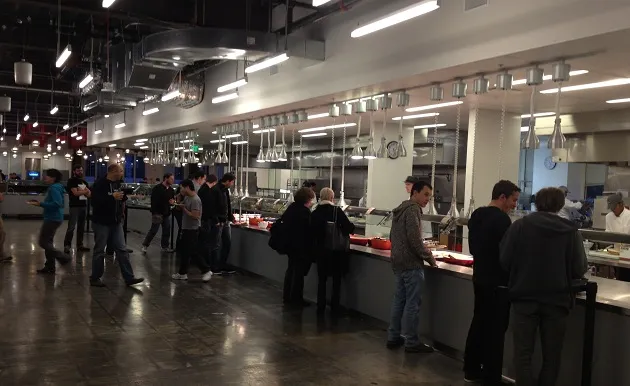
Not long ago, corporate lunch breaks across India looked almost identical and were characterised by long lines, clattering trays, and hurried bites between meetings. But today, this everyday interlude that has professionals waiting in eager anticipation is being restyled, as we speak.
As the old order fades and gives way to a newer and more innovative recess-culture, a stirring tech-powered revolution is quietly shaking up lunch hours and transforming cafeteria counters across offices. Technology is irrefutably altering the way we eat at work, and it all begins with smart dining. In this contemporary era of AI-powered cafeterias, technology and wellness converge remarkably as the technological tide continues to reshape the workplace meal into a scrumptious productivity booster.
A new kind of break
On average, an employee spends 15-20 minutes biding their time in queues for food that is escorted by payment lines and rushed-up conveyors. If we multiply that by several hundred employees across several million organisations, the amount of time (and food, inconsequentially) wasted is surely staggering. That’s where smart cafeterias pop in and turn up the ‘hero’ knob. Armed with the immense game-changing power of AI, IoT, and mobile apps, smart cafeterias provide a plethora of efficient and time-saving features like pre-ordering, contactless payments, and real-time meal tracking. All this turns the lunch break into a seamless and stress-free experience that naturally enhances employee productivity.
In fact, companies implementing digital meal systems have reported considerably shorter break times. This gives back employees valuable minutes to relax, walk, or chat while returning to work more energised and exuberant.
Smart food, smarter choices
Proving as the biggest step forward in this direction, AI-powered meal recommendations are stealing the show when it comes to revamping the cafeteria culture. Picture it as a personal and highly customised nutrition coach that is directly built into your lunch app. By analysing a sizable collection of past orders, dietary preferences, and wellness goals, these platforms are able to suggest healthier and more personalised meal options. One major tech park in Bengaluru even recorded a 21% increase in healthier meal choices within six months of adopting smart food suggestions, according to Restaurant India.
Suggestive of the appellation, smart menus adapt in a semantically-harmonised manner. For instance, search “summer” and one sees a cornucopia of refreshing options like watermelon juice or coconut water, etc, which rehydrate both body and mood. This gentle nudging empowers employees to arrive at more suitable choices without exercising any guilt or coercion.
Eating well and living better
The impact of nutrition on employee productivity is truly undeniable. It has been scientifically established that balanced meals lead to sustained energy, sharper focus, and a drastic fall in sick days. With personalised suggestions, employees make better choices most of the time, which in turn lead to healthier habits that endure in the long run. As cafeterias evolve into wellness allies, they track preferences, offering tailored options and making individuals feel understood and supported.
Sustainability on the table
Smart cafeterias aren’t just good for people. In the grand scheme of things, they also prove beneficial for the planet. Traditional models often overproduce meals, which leads to massive food wastage. AI-driven demand prediction adeptly reimagines that by analysing meal popularity, time of day, and historical data with the utmost efficacy.
Therefore, numerous big-ticket MNCs are pioneering a global AI-backed food management that is helping them slash wastage and costs while aligning with the larger environmental goals. Furthermore, digital orders eliminate paper receipts and disposable menus, while better inventory management reduces spoilage and the overarching carbon footprint.
The ROI that CFOs notice
For CFOs, smart cafeterias are not just another tech trend. They’re smart investments that will engineer a healthier, brighter and more prosperous future. To exemplify, we have successfully reduced cash pilferage from the earlier 15-22% to 0%, credit to the technology that we call HungerBox!
The efficiency gained from reduced labour, waste, and streamlined operations delivers fast returns along with improved employee satisfaction as an additional bonus.
The future of workplace dining
When discoursing on the "future of work," one is prone to focus on a singular theme like remote models or utilising AI in the boardroom. But the revolution ensuing across company cafeterias and canteens is brilliant, and at multiple levels as it transforms how people revitalise, reconnect, and flourish; before, after and during chow time.
Smart cafeterias are vividly demonstrating that innovation begins with human experience and imparts individuals' control over their health, time, and choices. It is important to remind organisations that productivity (being the operative word here) doesn’t merely depend on the relentless pursuit of long-term objectives. It emanates and thrives in workforces that feel a sense of contentment and regard in their workplace.
(Sandipan Mitra is the Co-founder and CEO of HungerBox, a foodtech platform.)
Edited by Kanishk Singh
(Disclaimer: The views and opinions expressed in this article are those of the author and do not necessarily reflect the views of YourStory.)