



Microsoft Build 2026: The 5 Biggest Updates Explained
From the Scout web agent to the Solara coding assistant, Microsoft Build 2026 showcased new AI products aimed at developers, businesses, and everyday users!

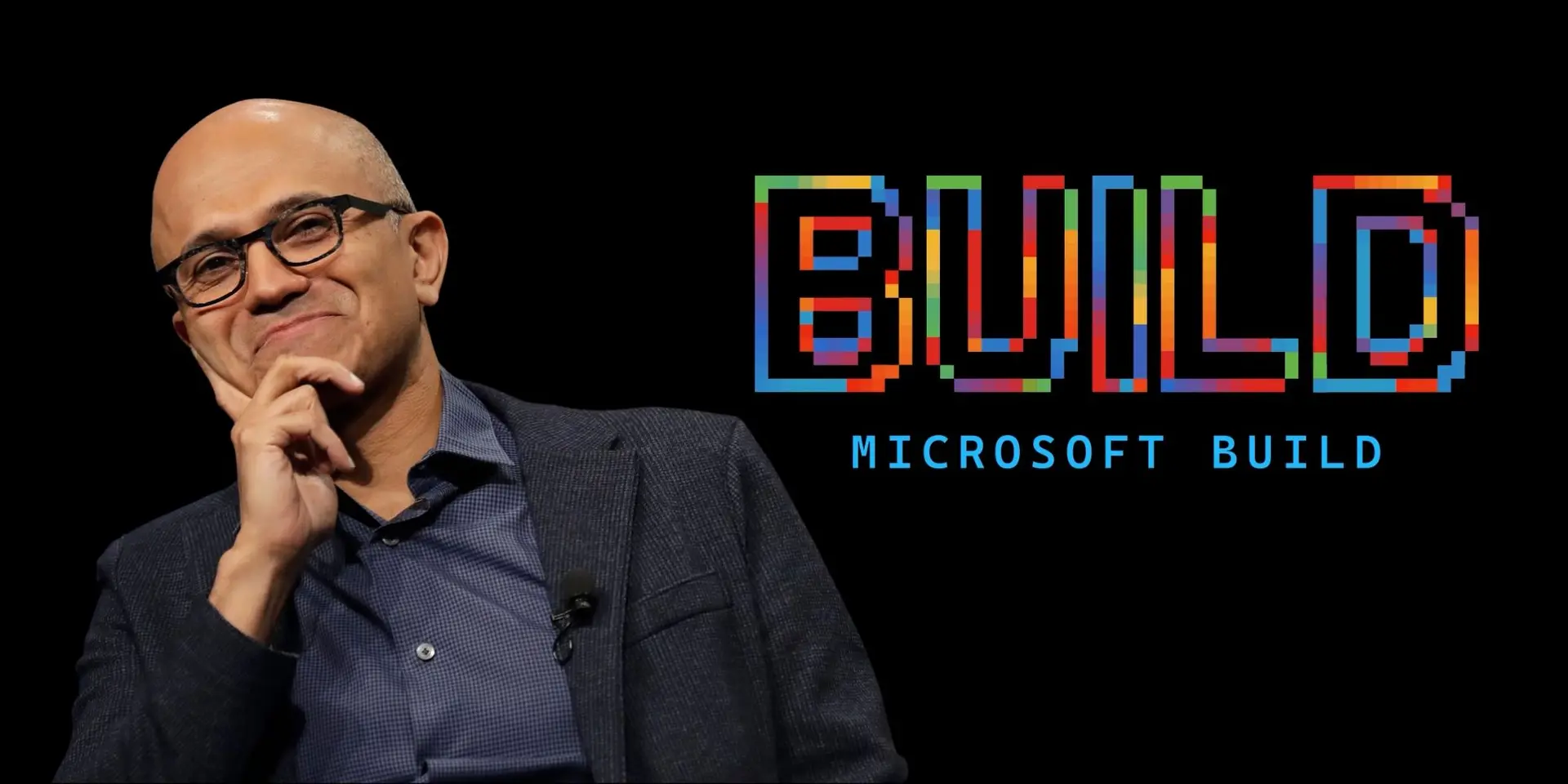

The era of AI agents is getting closer. At Microsoft Build 2026, CEO Satya Nadella laid out a vision where AI becomes the primary way people interact with technology.
Instead of jumping between apps and operating systems, users could increasingly rely on AI agents that understand context, perform tasks and work across devices. Here are the 5 biggest announcements from the event.
Project Solara aims to power AI-first devices
One of the standout reveals was Project Solara, Microsoft's new chip-to-cloud platform for AI-powered devices. The platform combines on-device hardware with cloud computing to support intelligent assistants that can operate seamlessly across different environments.
Microsoft showcased a wearable AI badge and a desktop companion device as examples of what Solara-powered products could look like. The goal is to make AI agents more accessible and useful beyond traditional apps and screens.
Microsoft Scout wants to become your workplace assistant
Microsoft introduced Scout, its first Autopilot agent designed for work environments. Built on OpenClaw technology and powered by Microsoft's Work IQ engine, Scout can access information across Teams, Outlook, OneDrive and SharePoint.
Unlike conventional chatbots, Scout is designed to take initiative. It can track projects, prepare meeting summaries, resolve scheduling conflicts and handle routine administrative tasks. Microsoft says organisations will also have strong security controls over what the agent can access and do.
New MAI models expand Microsoft's AI ecosystem
Microsoft unveiled MAI-Thinking-1, a 35-billion-parameter reasoning model built for complex enterprise tasks, coding and long-context problem-solving.
Alongside it, the company expanded its MAI model family with tools focused on image generation, voice processing, transcription and software development. These additions strengthen Microsoft's efforts to develop more in-house AI capabilities while serving developers and businesses with specialised models.
Surface RTX Spark Dev Box targets AI developers
For developers building AI applications, Microsoft announced the Surface RTX Spark Dev Box, a compact desktop powered by Nvidia RTX Spark technology. The system delivers up to one petaflop of AI performance and supports AI models with up to 120 billion parameters running locally.

This allows developers to fine-tune models, test AI agents and experiment with advanced workloads without relying entirely on cloud infrastructure. Microsoft also announced new Windows 11 developer features, including enhanced AI APIs, container support and tools designed specifically for AI development.
Quantum computing gets a boost with Majorana 2
Looking beyond today's AI race, Microsoft also revealed Majorana 2, its next-generation quantum computing chip. The company claims the chip offers a 1,000-fold improvement in reliability compared to its predecessor, addressing one of quantum computing's biggest challenges.
Microsoft says the advancement supports its goal of building a scalable quantum computer by 2029. Alongside the chip, Microsoft announced the broader availability of Microsoft Discovery, an AI-powered research platform that helps scientists analyse data, test ideas and accelerate discoveries.
The bigger picture
The common thread across every announcement was clear: Microsoft sees AI agents as the next major computing platform.
Whether through Project Solara, Scout, MAI models, developer hardware, or quantum computing research, the company is building an ecosystem in which AI is embedded across devices, workplaces, and scientific research. The technology is still evolving, but Build 2026 showed that Microsoft intends to be at the centre of that transformation