



Meet Z.ai: The Chinese AI startup taking on OpenAI and Anthropic
AI startup Z.ai is challenging OpenAI and Anthropic with GLM-5.2, strong coding tools, AI agents, and lower pricing, which is winning quick developer interest.

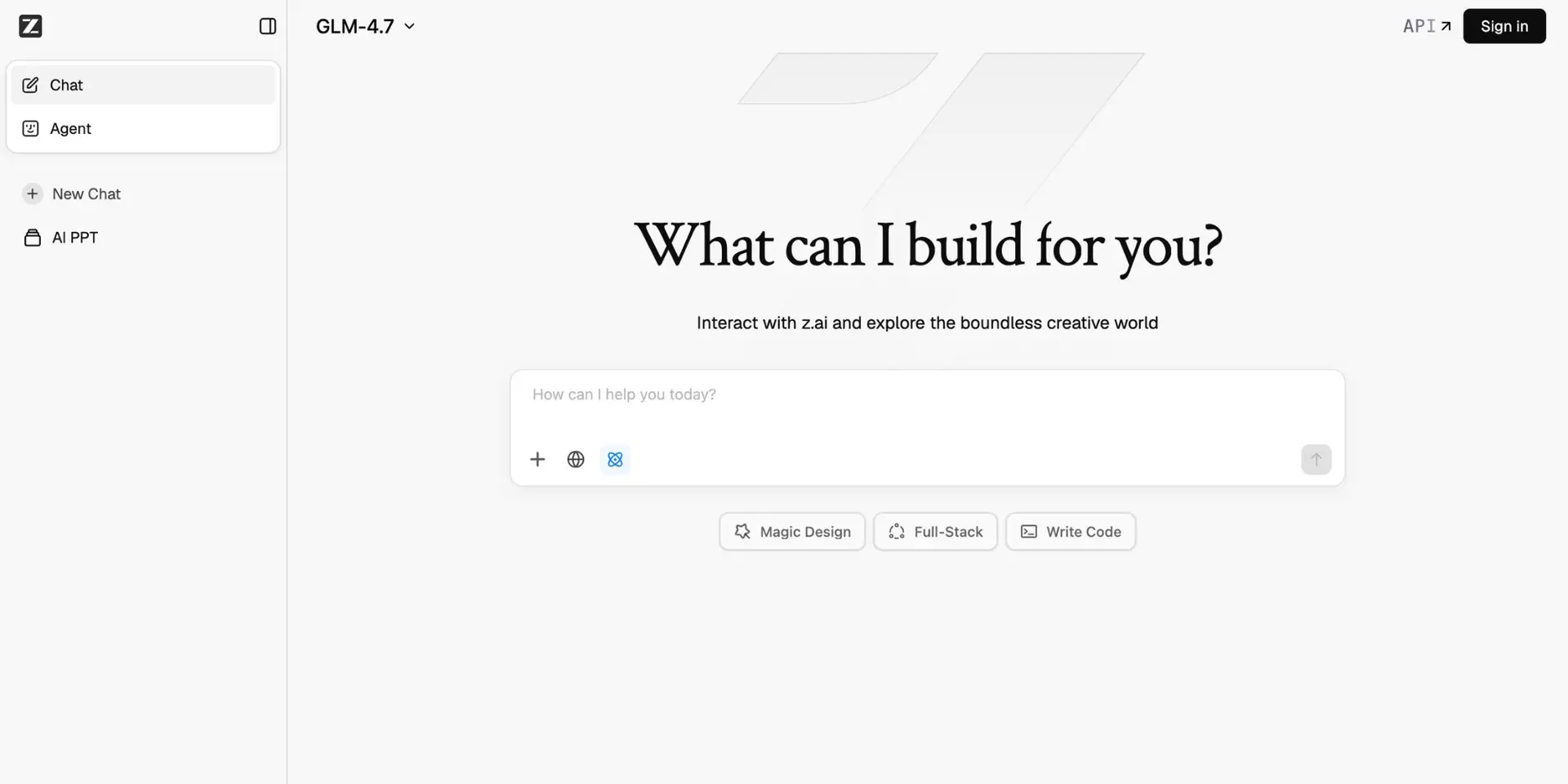

The AI race has a new contender, and it is turning heads for more than just its technology. Beijing-based Z.ai is gaining momentum with its latest flagship model, GLM-5.2, which is being recognised for its coding capabilities, AI agent features and competitive pricing.
Early users and developers say the model performs surprisingly well on software engineering and complex reasoning tasks, making it a potential challenger to established players such as OpenAI, Anthropic and Google. Its biggest advantage, however, may be the value it offers. Here's all that you need to know!
What makes GLM-5.2 stand out?
GLM-5.2 has been designed to handle long and complex tasks more effectively than earlier AI models. It can understand large amounts of context, generate code, solve multi-step problems and support AI agents.
AI agents are AI systems that can perform tasks with minimal user input. Instead of responding to one prompt at a time, they can plan actions, complete workflows, and carry out more complex jobs on behalf of users.
Another feature attracting developers is Z.ai's support for open-weight models. In simple terms, this means organisations can access the model's trained parameters under specific licensing terms and deploy it on their own infrastructure, giving them greater flexibility and control over their AI systems.
Affordable pricing could attract more users
Pricing is one of Z.ai's strongest selling points. The company offers a web-based chatbot for conversations, coding support, document analysis and research. Developers can also integrate GLM-5.2 into their own applications using APIs, which are software interfaces that allow different applications to communicate with each other.
In India, discounted paid plans start at around Rs 1,410 per month. By comparison, ChatGPT Plus costs roughly Rs 1,740, Claude Pro is priced similarly, and Google's Gemini AI Pro is available for around Rs 1,950.
For students, startups and businesses operating on tighter budgets, the lower price could make Z.ai an attractive alternative without significantly compromising on performance.
Why enterprises will look closely
While developers may be drawn by performance and affordability, enterprise customers are likely to evaluate additional factors such as security, compliance and data governance.
As organisations increasingly adopt AI, the decision is no longer based solely on which model is the most powerful. Businesses are also comparing deployment flexibility, integration complexity and the total cost of ownership over time.
For many companies, an AI model that delivers reliable performance at a lower operating cost may be more valuable than pursuing marginal improvements in benchmark scores.

Mark Zuckerberg admits Meta’s AI ambitions face major delays — Here's why
The takeaway
Z.ai's rapid rise highlights how quickly the AI landscape is changing. New competitors are emerging with capable models, aggressive pricing and features that appeal to both developers and businesses.
If GLM-5.2 continues to improve while maintaining its cost advantage, it could become a serious alternative in global AI markets. More importantly, its emergence signals that the future of AI competition may be shaped as much by affordability and accessibility as by raw technological performance.