



Mark Zuckerberg admits Meta’s AI ambitions face major delays — Here's why
Mark Zuckerberg admits Meta AI delays as agent technology and restructuring fall short of expectations, though returns may improve soon.

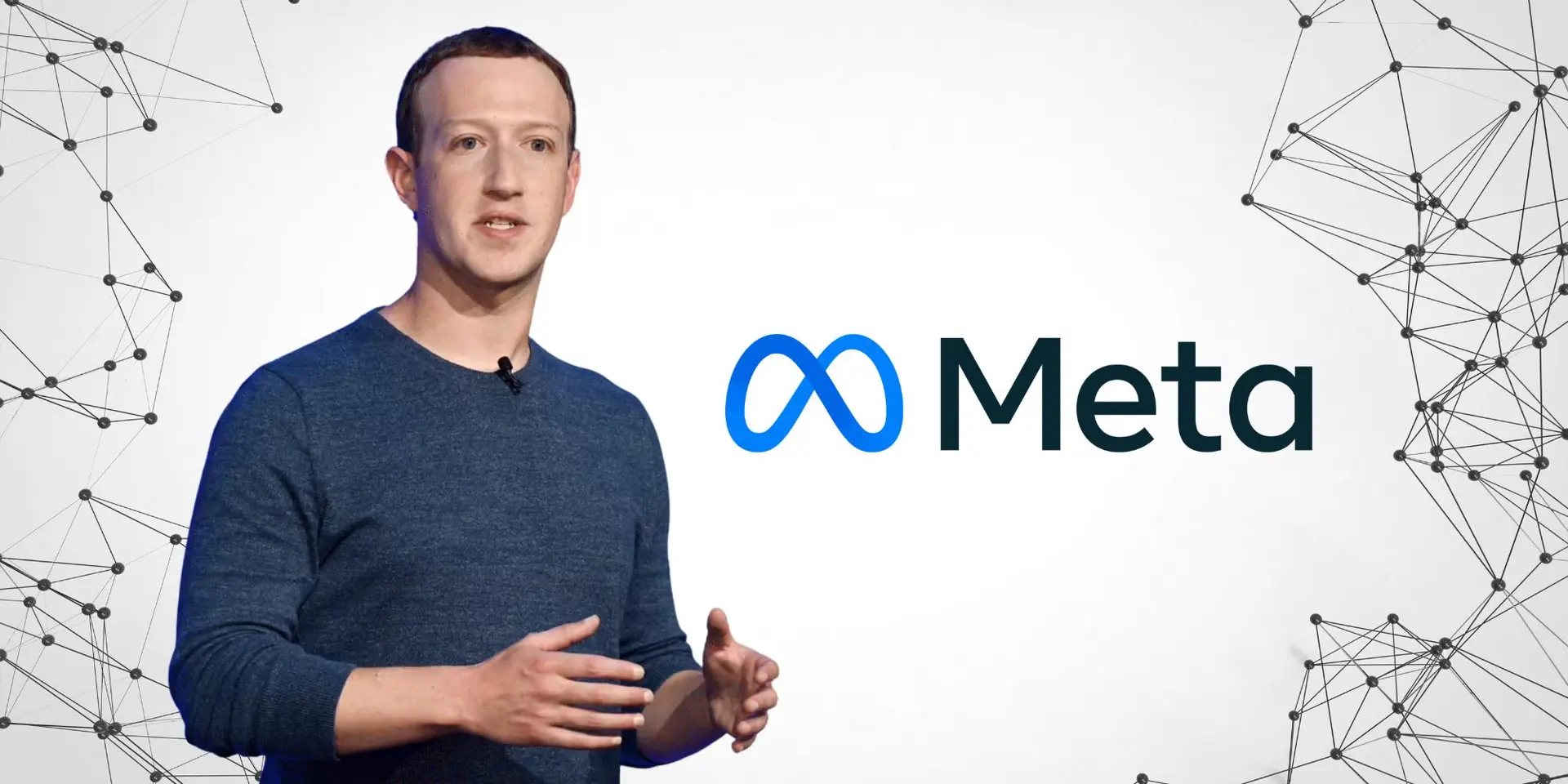

Meta’s AI race has hit a slower stretch. Mark Zuckerberg has acknowledged that Meta’s progress in artificial intelligence, particularly its AI agent technology, is moving more slowly than the company expected.
His comments, reportedly made during an internal town hall, suggest that Meta’s aggressive push into AI is facing practical delays despite heavy investment and major organisational changes.
Why Meta’s AI progress has slowed
According to the report, Zuckerberg said Meta had expected faster progress in agentic AI systems over the past four months. These systems are designed to act on behalf of users, such as completing tasks, making decisions or helping with work without constant human input.
The company had been encouraged by rapid improvements in AI coding tools, including products such as Anthropic’s Claude Code. However, Zuckerberg admitted that the expected gains have not yet materialised at the pace Meta had hoped for.
This matters because AI agents are seen as the next major step in consumer and enterprise AI. Instead of simply answering questions, they are expected to take action. For a company like Meta, that could eventually mean smarter assistants across Facebook, Instagram, WhatsApp and its wider business tools.
Restructuring did not go as planned
Zuckerberg also admitted that Meta’s recent restructuring was “not as clean” as it could have been. The changes included significant job cuts and the reassignment of about 7,000 employees to AI-focused teams.
The restructuring, announced in May, was intended to free up resources for Meta’s expanding AI infrastructure plans. At the time, Zuckerberg had said he did not expect more companywide layoffs this year. Even so, some employees reportedly remained uncertain about the company’s direction.
The latest comments show that reorganising a business of Meta’s scale around AI is not just a technical challenge. It also involves workforce planning, internal communication and careful timing.
Big spending, delayed returns
Meta is projected to spend up to $145 billion on AI infrastructure this year, as the broader technology industry pours more than $700 billion into AI. That spending covers the computing power, data centres and systems needed to develop and run advanced AI models.
Despite the delays, Zuckerberg remains optimistic. He reportedly said Meta could begin seeing stronger returns from its AI investments within the next three to six months.

What this means for Meta
For now, the update signals a more cautious phase in Meta’s AI journey. The company is still investing heavily, but its leadership appears to be recognising that AI breakthroughs do not always follow corporate timelines.
If Meta can turn its infrastructure spending and internal restructuring into useful AI products, the delays may be temporary. If not, investors and employees may continue asking whether the company’s AI ambitions are moving too far ahead of reality.