



Semiconductor GCCs turn India into strategic location: Report
Semiconductor GCCs in India are driving the innovation engine, with India becoming the test bed for AI capabilities.

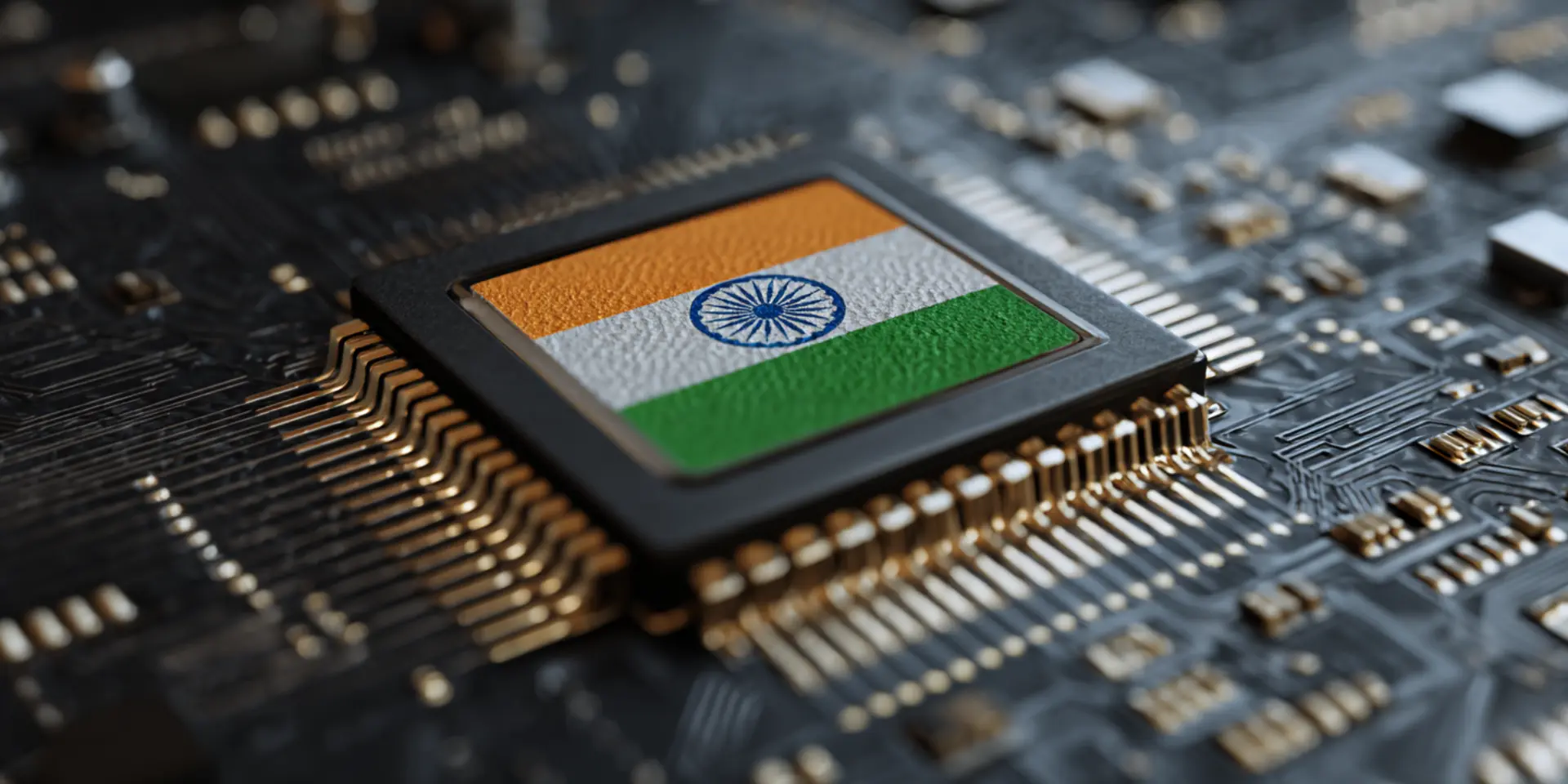

Semiconductor-focused global capability centres (GCCs) located in India are turning into a global strategic location for the industry, given the scale, breadth and innovation capabilities in the country, according to a report.
The report, The Chip Catalyst: India’s Emerging Semiconductor Ecosystem by staffing and workforce solutions company Quess, noted that there are over 55 semiconductor GCCs in India spread over 95 physical sites with more than 60,000 engineers. The report said India is now one of the largest semiconductor talent hubs outside the US.
Overall, the Indian semiconductor industry has a total employee strength of 250,000, and this number is projected to touch 400,000 by 2030, registering a growth of 122%.
According to the study, these semiconductor GCCs are no longer the cost arbitrage engines but are increasingly owning IP-critical design charters, piloting AI-led workflows, and co-creating next-gen silicon architectures with HQ teams.
The global semiconductor supply chains are now under geopolitical stress, given the US–China tech rivalry and the large dependence on Taiwan. Here, India’s GCC footprint represents a resilient node for talent, design, and downstream assembly, testing, marking and packaging (ATMP) integration.
Manufacturing risk in Taiwan potentially puts India on a stronger wicket for the semiconductor industry, with the presence of GCCs and the ATMP initiatives.
The study noted that India’s GCCs have rapidly transitioned from deterministic design support to AI-augmented, IP-owning co-innovation hubs. GCCs are where AI-first chip design gets industrialised. Scaling India teams means faster adoption of ML-driven verification, AI-based P&R, and on-device AI firmware.
For global HQs, India GCCs are no longer about “offshoring”; they are frontline sites for AI adoption in chip design. This is where EDA innovation and AI-first workflows are tested, scaled, and institutionalised.
Though India has the execution depth, the study notes that there is a thin leadership bench in analog, power discretes and advanced EDA. Further, 80% of the semiconductor workforce is concentrated in Bengaluru and Hyderabad. This calls for GCC expanding into tier two locations such as Ahmedabad, Mohali, and Thiruvananthapuram to secure the talent, which comes at a cost advantage, and there are also policy subsidies from state governments.