




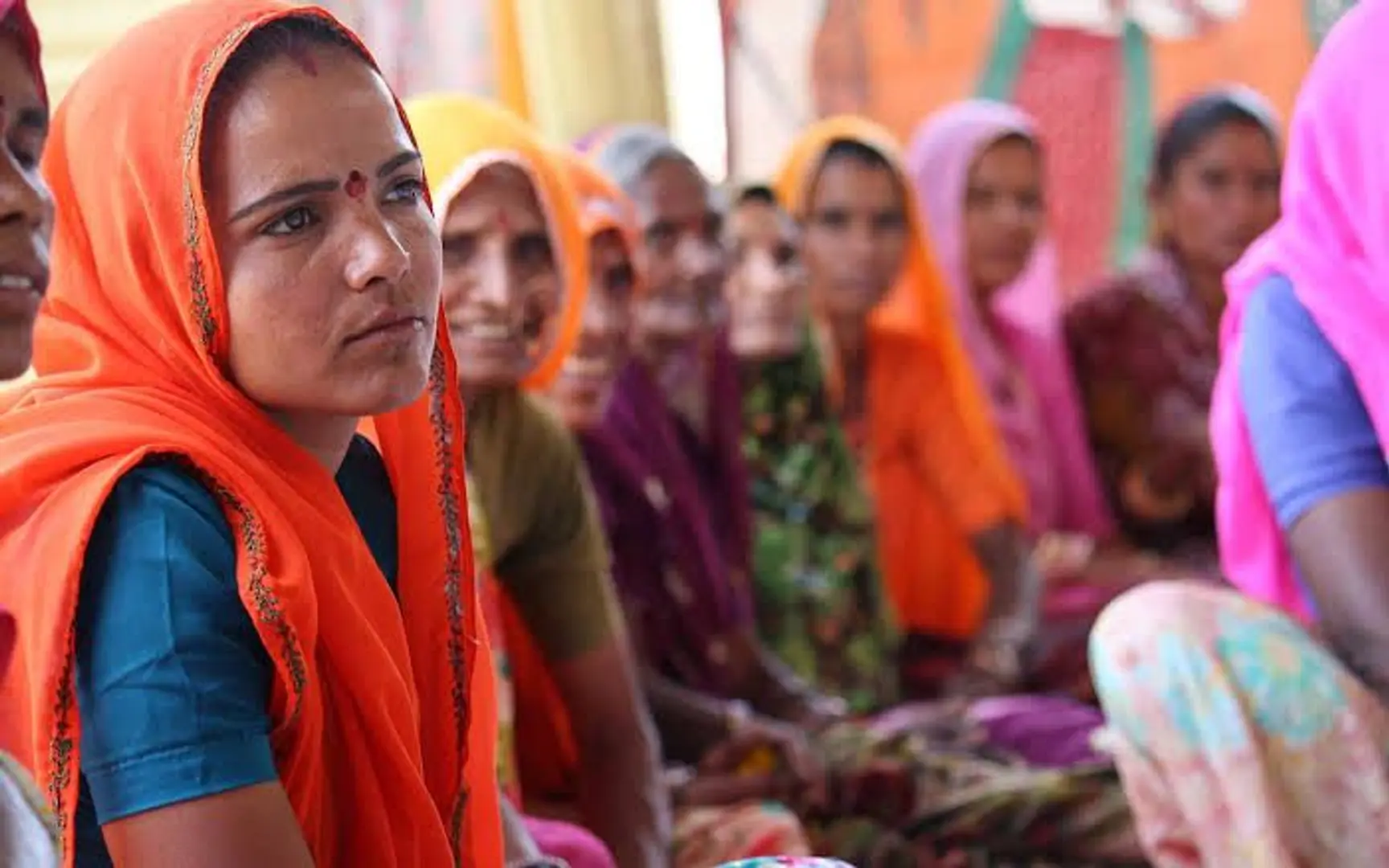

India's grassroots democracy has long been celebrated as one of the most ambitious experiments in decentralised governance globally, especially through its landmark step to reserve seats for women in Panchayati Raj Institutions (PRIs).
As we celebrate National Panchayati Raj Day on April 24, it's important to reflect not only on how far we've come but also on how far we still need to go.
While reservation has significantly increased women's representation—now totalling over 1.4 million elected women representatives across India's villages—the crucial transition from mere representation to real, substantive power remains incomplete.
Over the past decades, constitutional amendments have significantly boosted women’s presence in Panchayati Raj Institutions (PRIs).
Yet, merely occupying seats isn't enough; genuine empowerment comes when women truly hold decision-making authority. The Sashakt Panchayat-Netri Abhiyan—a thoughtfully designed initiative that supports elected women leaders to find their voice and agency—is working to bridge this crucial gap.
Moving beyond tokenism
Reserving seats for women was an important step forward, but many systemic barriers remain. The persistent ‘sarpanch-pati’ culture—where male relatives, rather than the elected women themselves, hold actual power—is still prevalent across the country.
Addressing this issue requires more than formal representation; it demands practical interventions like structured leadership development, building women’s agency, and effective communication training. Most importantly, these women need continuous institutional support and mentorship to flourish.
Consider the inspiring story of Sarpanch Salu Sarpanch didi from Devla panchayat in Rajpur block of Barwani, Madhya Pradesh. Initially reluctant to contest elections, she overcame her hesitation after participating in TRIF’s “Change vector” programme.
Today, Salu Didi leads Gram Sabha meetings with confidence, ensuring women's voices shape local development. Her initiatives—such as creating new anganwadi centres and leading the popular “Save the Girl Child, Plant a Tree” campaign—show how empowered women can transform their communities for the better.
Navigating governance and financial challenges
Many elected women leaders face challenges in navigating governance structures, managing funds effectively, and implementing policies. The Sashakt Panchayat-Netri Abhiyan addresses these needs by providing critical training in governance skills, financial literacy, and community communication strategies.
Take, for instance, Kewa Santosh, the Sarpanch of Bhagyapur panchayat in Manawar block of Dhar district. Once shy and hesitant to voice her opinions, Kewa’s participation through structured leadership and governance training transformed her abilities.
She now confidently prepares development plans, mobilises resources, and effectively mediates village disputes. Her village now proudly hosts a new water tank benefiting 200 households, an active Anganwadi center, and a health sub-center—changes that once seemed unimaginable.
Supporting women leaders sustainably
To truly thrive, women leaders need sustained financial autonomy, strong peer support networks, and continuous communication and leadership training to effectively mobilise community participation. Reshma Ninama, the dynamic Sarpanch of Asaliya village of Petlawad block in Jhabua district, demonstrates this powerfully.
Leveraging her background in Self-Help Groups (SHGs), she dedicated a quarter of the panchayat’s untied funds specifically for women-centric projects. Her actions—such as installing streetlights to ensure women's safety and initiating prompt response systems to tackle gender-based violence—highlight how mentorship, skill-building, and supportive networks can magnify the impact of women’s leadership.
Amplifying impact through collaboration
The Abhiyan’s strength lies in its collaborative approach, bringing together government bodies, civil society organisations, and local community movements.
Experiences from TRIs work in Madhya Pradesh show clearly that when elected women representatives are equipped with practical skills such as Gram Panchayat Development Planning (GPDP), financial management, communication, negotiation, and gender justice advocacy, entire communities experience positive transformation. Scaling these successes requires robust policy support, dedicated gender-responsive budgets, and institutional leadership academies for continuous growth.
The way forward
On this National Panchayati Raj Day, let us start looking beyond mere numbers and token representation, and start truly investing in women's leadership at the grassroots. While inspiring examples like Salu , Kewa, and Reshma Sarpanches highlight what empowered women can achieve, their stories shouldn't remain exceptions. To make these experiences common, we need to actively invest towards removing systemic barriers like proxy leadership, institutionalise meaningful training and mentorship programmes, and ensure women leaders have sustained financial independence. Only then can we genuinely unlock the potential of every woman leader across India's villages.
The inspiring journeys of Salu, Kewa Santosh, and Reshma Ninama clearly demonstrate that when women leaders are genuinely empowered, entire villages thrive. Let us build a Panchayati Raj system where women's representation translates naturally into real power—where women’s voices, ideas, and decisions shape India’s rural future.
Jahan naari shakti, wahan gaav ki samridhi! (Where women lead, villages thrive!)
(Aliva Das is Associate Director/State Lead Madhya Pradesh, Transform Rural India)
(Disclaimer: The views and opinions expressed in this article are those of the author and do not necessarily reflect the views of YourStory.)