



The overlooked journey: mothers and their mental well-being
Recognising maternal mental health as an essential part of overall well-being is important for families, workplaces, and society.

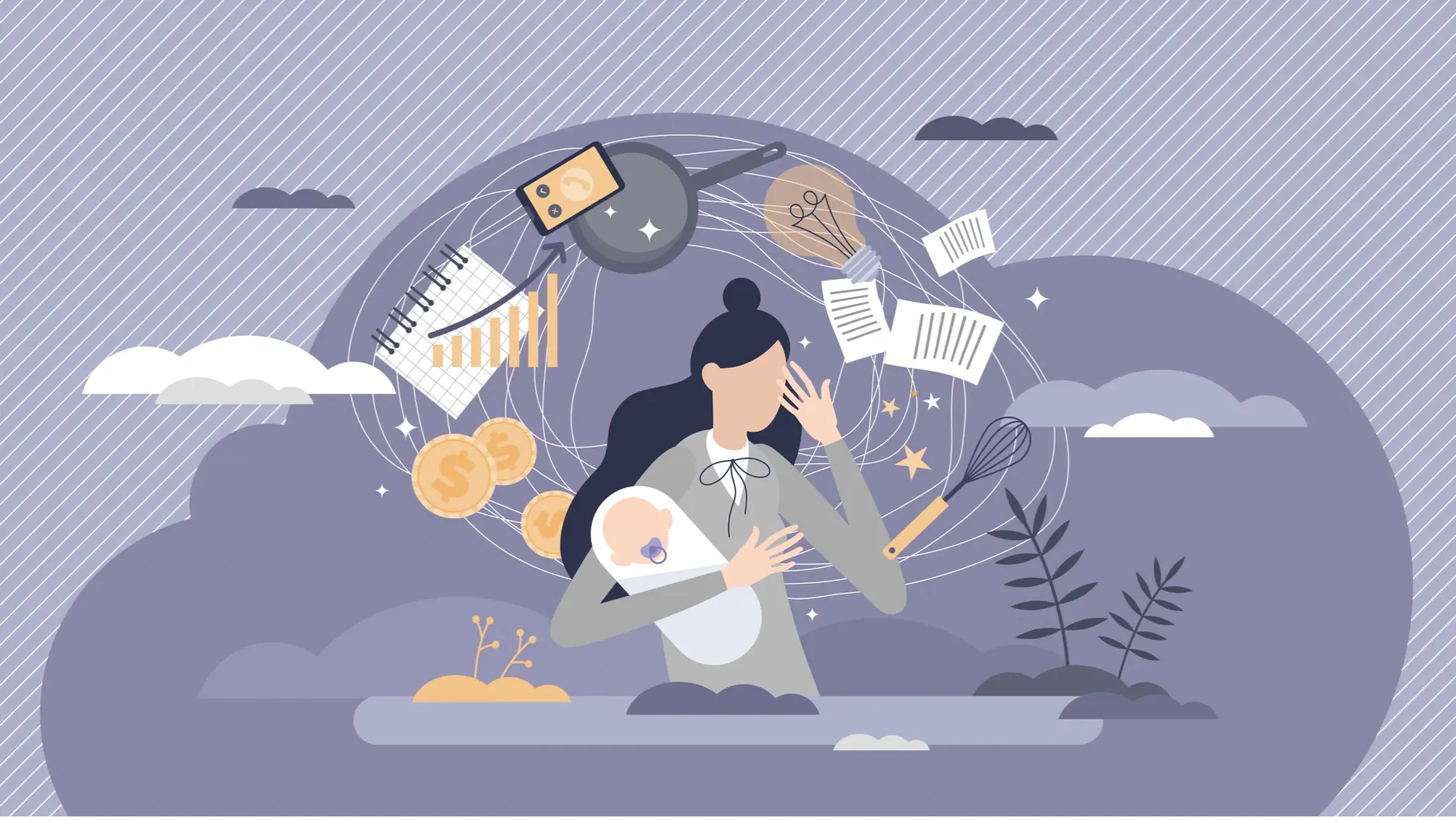

Motherhood is, without doubt, one of life’s most meaningful journeys. It is filled with moments of deep love, immense learning, and personal transformation.
Yet, along with the joy, comes an often-unspoken emotional responsibility, one that quietly shapes the everyday life of mothers. Whether we are managing a household, pursuing a career, or doing both, we consistently place the needs of our families before our own. In doing so, our own mental well-being often takes a backseat.
From the early days of parenthood, mothers are expected to be emotionally present, physically resilient, and mentally alert. The responsibilities, though deeply fulfilling are also relentless. And while we often speak about the strength of mothers, we don’t speak nearly enough about the emotional strain they may carry beneath that strength.
Over the years, being a mother myself and working with many women through schools, mental health initiatives, and community programmes and a consistent theme emerges: mothers are giving so much of themselves, yet rarely pausing to check in on how they are doing. This quiet neglect of one’s own emotional health is not due to a lack of awareness or ability. It is often the outcome of cultural expectations and a deeply internalised belief that seeking support means falling short of being the ‘perfect mother’.
It is important to understand that emotional fatigue, stress, and anxiety are not limited to any one stage of motherhood. According to the World Health Organisation, nearly one in five women experience mental health challenges during or after pregnancy. But the pressures don’t end there. As children grow, so do the emotional demands on mothers, ranging from academic concerns to emotional guidance, all layered with evolving family dynamics and personal transitions like menopause or ageing parents.
The emotional labour involved in caregiving, anticipating needs, soothing concerns, managing household harmony is often invisible. For homemakers, this can be compounded by a sense of isolation and lack of validation. For working mothers, there is the added challenge of navigating professional responsibilities while being fully present at home. Each situation is unique, but the underlying theme remains the same: the mother’s emotional well-being is rarely prioritised.
This silence, unfortunately, comes at a cost. We know that when mothers feel emotionally depleted or unsupported, it affects not just them but the entire family. The home, which is often a reflection of the mother’s emotional state, can become strained when her mental health is overlooked. On the other hand, when mothers are emotionally well, they are better equipped to nurture emotionally resilient children, strengthen family bonds, and show up fully for themselves.
Recognising maternal mental health as an essential part of overall well-being is important for families, workplaces, and society. Integrating emotional support into maternal healthcare and considering flexible arrangements that accommodate the dual roles mothers play can make a significant difference. Additionally, fostering safe environments in homes and communities allows mothers to share their experiences openly, free from guilt or judgment.
Equally vital is reminding mothers that it is not only acceptable, but essential, to attend to their emotional needs. Taking time to rest, to reflect, and to reconnect with oneself is not a deviation from their role; it is what sustains it. Self-care is not a luxury; it is a responsibility we owe to ourselves and to those we care for.
Every Mother’s Day, let's look beyond celebration alone and take a moment for reflection. Let’s ask not only what mothers are doing for their families, but also what we are doing to support their emotional well-being. It’s time to move from appreciation to action from admiration to support.
When we begin to truly value a mother’s mental health, we are not just supporting individuals; we are strengthening the emotional fabric of our society.
(Neerja Birla is Founder and Chairperson, Aditya Birla Education Trust and the visionary behind Mpower)