



How women are making rural healthcare more accessible
When women actively participate in health decisions within their communities, the impact is both long-term and generational.

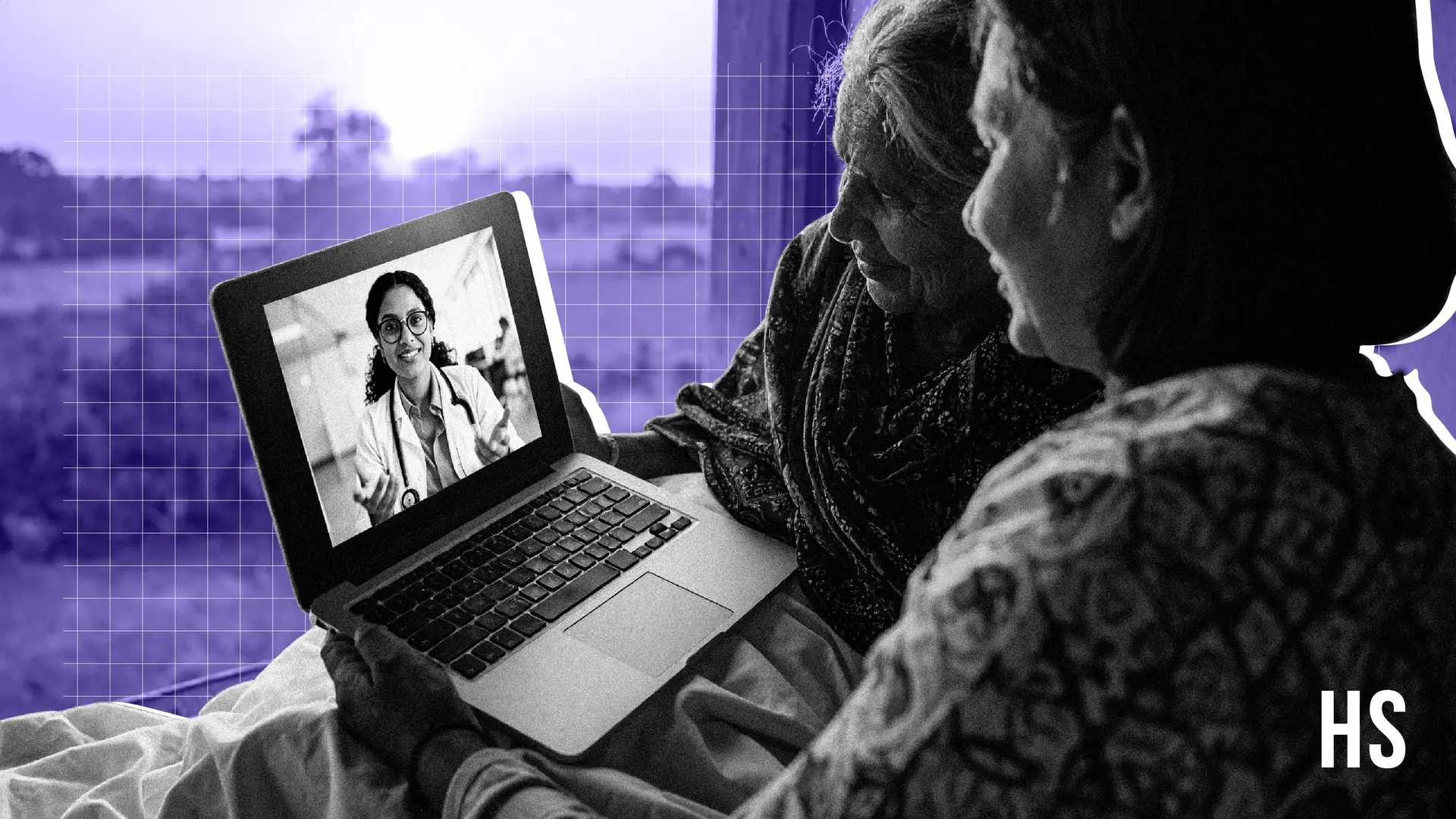

In India’s rural heartlands, access to essential healthcare remains a significant challenge. Despite policy-level initiatives and digital advancements, large segments of the population continue to face barriers in receiving timely and quality medical support.
Infrastructure gaps, low awareness, and the absence of guided last-mile support systems have often left rural households to navigate health decisions on their own.
The need for empathetic, community-driven, and tech-assisted healthcare delivery is more urgent than ever.
While this challenge has persisted for decades, there is a visible shift in how solutions are being delivered.
Across Bharat, women are increasingly emerging as credible enablers of access, especially when equipped with the right tools and platforms.
By stepping into the role of local health correspondents, they are filling a critical gap in the delivery ecosystem: not by replacing any medical personnel, but by acting as the human interface that builds comfort, trust, and continuity of care within their communities.
These women, already familiar as everyday support systems in their villages, are being trained to act as health correspondents—individuals who help their neighborhood navigate tele-consultations, book OPD tokens, guide them through scheme documentation, and ensure that access to care does not depend on physical distance from the clinic. This model of engagement is rooted in community and driven by trust, two levers missing from top-down delivery mechanisms.
When women actively participate in health decisions within their communities, the impact is both long-term and generational. When women are better informed about health, the well-being of spouses, parents, and children in their families improves significantly.
The adoption of hygiene practices, timely diagnosis of illness, and responsible use of insurance schemes increases significantly when healthcare information is shared by someone familiar and accessible. In a social fabric where gender plays a central role in caregiving, placing women at the core of healthcare facilitation is not just intuitive—it is strategic.
Some of these transitions are already visible. With the support of technology platforms, women in remote districts are guiding neighbours through video consultations, helping families understand what coverage their health insurance will provide, and explaining how small savings in emergency funds can be used during emergencies.
These are not isolated stories—they reflect a growing network of grassroots health enablers, many of whom also support access to basic banking, insurance, and government schemes. The outcome is a well-rounded, service-ready interface at the last mile, where care meets convenience.
A significant enabler of this model has been the integration of telehealth offerings into platforms that women are already familiar with. By expanding their portfolio of services from banking and commerce to health and well-being, these women have been able to deepen their community relationships.
The additional income generated by offering healthcare services complements their primary livelihoods and enhances the sustainability of their efforts.
Training plays a key role in making this model effective. Women are guided not just on how to use the applications or explain policies, but also on how to build awareness sensitively, especially in households where illness may carry stigma.
Over time, they evolve into trusted confidantes who explain the importance of timely check-ups, clarify procedures for claim reimbursements, or assist a senior citizen. Such consistent, localised engagement cannot be replaced by an app or call centre. It requires human intelligence and empathy.
The broader implications of this model are worth noting. As India moves towards universal health coverage, the ecosystem must evolve to ensure that rural communities are not passive recipients but active participants.
Empowering women to act as healthcare facilitators strengthens health outcomes and the economic and social fabric of their communities. By aligning efforts with existing government schemes and leveraging public digital infrastructure, this network of local health advocates can bring policy to life, on the ground at the doorstep.
Across India, many such women have already demonstrated what is possible when opportunity meets readiness. They may not wear a uniform or carry a stethoscope, but in every call they help make, every scheme they help explain, and every doorstep they visit, they are pushing the boundaries of what community-based healthcare can look like.
In the years to come, rural health access will depend not just on more clinics or faster apps, but on a reimagined delivery model—one that recognises and rewards the role of women as the steady, trusted anchors of last-mile healthcare. Their presence is not a substitute for formal systems, but a powerful complement. It is time we looked at them not only as beneficiaries of care but as facilitators of it.
(Jayatri Dasgupta is CMO PayNearby & Program Director, Digital Naari)
(Disclaimer: The views and opinions expressed in this article are those of the author and do not necessarily reflect the views of YourStory.)
Edited by Rekha Balakrishnan