



Women in entrepreneurial households: The quiet force behind India’s economic growth
Despite being the backbone of India’s agriculture and rural economy, rural women’s contributions have long been overlooked in broader economic discussions. Today, things are changing.

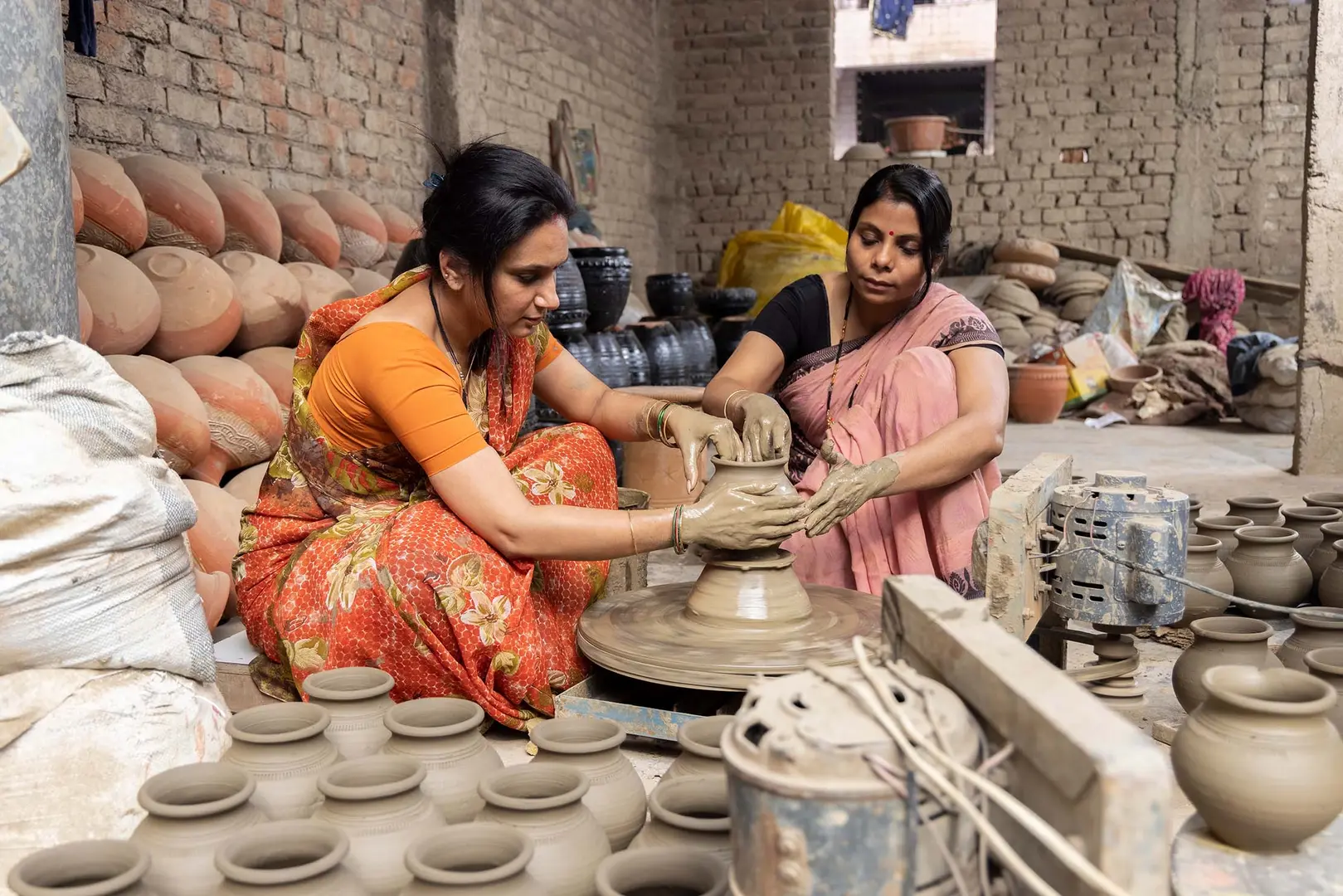

On my visit to rural India last year, when I asked a woman what she did, she said "kuch nahi” (nothing). I had asked the same question to her husband a few minutes prior, and he had also smiled and said “kuch nahin”.
I decided to double click on “kuch nahin” and this is what I got—she was in charge of dairy animals, worked actively in the farm, manned the kirana store they had for 2 hours in the afternoon, in addition to the usual household chores.
This pattern has repeated itself in hundreds of conversations since. The “kuch nahin” equals multiple types of hardcore economic activity and a fairly active voice in economic decision-making. I have been travelling in deep rural India since 1999 and have witnessed firsthand how significantly things have evolved.
The narrative, however, has not kept pace.
Over the last two decades, I have seen how rural households have built economic resilience, which has helped them stay strong in the face of multiple environmental shocks. The foundation of this resilience is ‘multiple sources of income’. This is the new economic reality, and women in entrepreneurial households have played a significant role in making it possible. Most households would see a significant drop in income if women were not actively contributing to the business activities. There were very early signs of this trend.
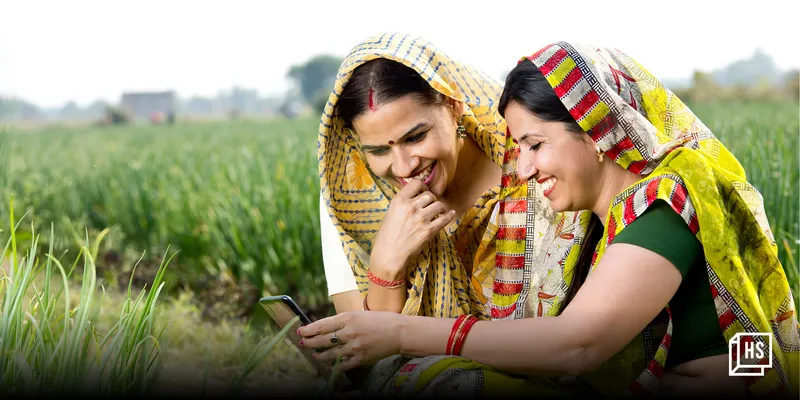
I was nineteen when I first travelled to rural Jhansi with my mother, who worked with several women's self-help groups (SHGs). The women I met there were filled with optimism about their future, despite limited resources. They spoke about their plans for feeding, educating, and caring for their families, and did so with enthusiasm. Their determination was infectious. They gave themselves no other option but to build a better future for their families and worked to better their socio-economic reality. It was the first time I realised that not only is this customer segment ‘entrepreneurial’, but that millions of women had determined to take charge of securing the family’s future—they were going to play a significant role in the coming decades.
So, what do we see on the ground today? I am a big believer in anecdotes as lead indicators of data. Let us look at the role women play on both the income and expenditure sides of economic transactions.
Despite being the backbone of India’s agriculture and rural economy, rural women’s contributions have long been overlooked in broader economic discussions. Today, things are changing. According to a recent survey by EPIC World, the Reimagining Local Economies Report (2025), 87% of respondents reported that more women are involved in income-generating activities.
The district of Damoh in Madhya Pradesh is home to some of the first women-led farmer-producer companies that have turnovers worth crores, led by female CEOs and all-women boards of directors. The women’s evolution over the last 10-15 years has taken them from wearing a ‘ghoonghat’ (veil) in front of men to negotiating with those same men in the community. It started with microfinance and led to a certain ambition that found its feet. This is not an isolated instance.
The foundations laid by financial inclusion, microfinance, and several economic activities that engaged women over the last two decades have silently prepared this workforce. During my field visits, I have met young mothers who are eager to continue working and go back within weeks of childbirth. Household members divide up responsibilities across generations and have different phases of working hours across multiple streams of economic activities—farming, hours at the shop, home-based units like tailoring, part-time employment roles, etc.
The increasing visibility and influence of rural women within their households is sparking a new wave of growth that is reshaping India’s economic landscape. Women are key to the diversification of income sources, providing the family with the ability to do more. According to the EPIC Opportunity Report (2024), multiple streams of income equal economic resilience for over 247 million rural households.
The story is incomplete without seeing how expenditures and investment decisions are made. According to the National Family Health Survey 5, 80% of women participate in decisions about major household purchases. Today, women participate in key decision-making around major expenses—agriculture, the family business, financial services, healthcare, and education. Even seemingly small discretionary investments, such as in a child’s extracurricular activity, contribute to this upward movement.
This is not just a social phenomenon. This has massive implications for businesses seeking to build in India—the nature of economic decision-making in over 200 million households has evolved over the last 20 years. Understanding the evolution of women in entrepreneurial households is key to understanding the next wave of India’s economic growth. This narrative needs to catch up to truly establish the power hidden behind “kuch nahin”.
(Jyotsna Krishnan is Co-founder and CEO, EPIC World and Managing Partner, Elevar Equity.)
Edited by Kanishk Singh
(Disclaimer: The views and opinions expressed in this article are those of the author and do not necessarily reflect the views of YourStory.)