



From heart to helm: Why women’s leadership must shape India’s future
The question is no longer whether women can lead, but how society can reimagine leadership to reflect the realities, strengths, and aspirations of women.
Aaradhana Dalmia
Wednesday January 14, 2026 , 7 min Read

In India, and globally, conversations about leadership still carry an invisible bias: leadership is imagined in masculine terms - decisive, dominant, individualistic.
Women who lead are often celebrated as “exceptions,” icons who defy the odds. While their stories inspire, they inadvertently reinforce a problematic norm: that women leaders are rare, extraordinary, and heroic.
But what if leadership itself were redefined? Leadership does not only live in the spotlight. What if we shifted our lens to everyday leadership, quietly, persistently, and often invisibly exercised in homes, schools, panchayats, and communities across India? Leadership is not only about titles or formal authority; it is about the courage to convene, listen, and act to create change.
At 21, Reena from Bihar is pursuing her BA after marriage, determined to become a teacher. A member of a small farmer’s family, she also actively works with Meena Manch, a girls’ club that challenges societal norms.
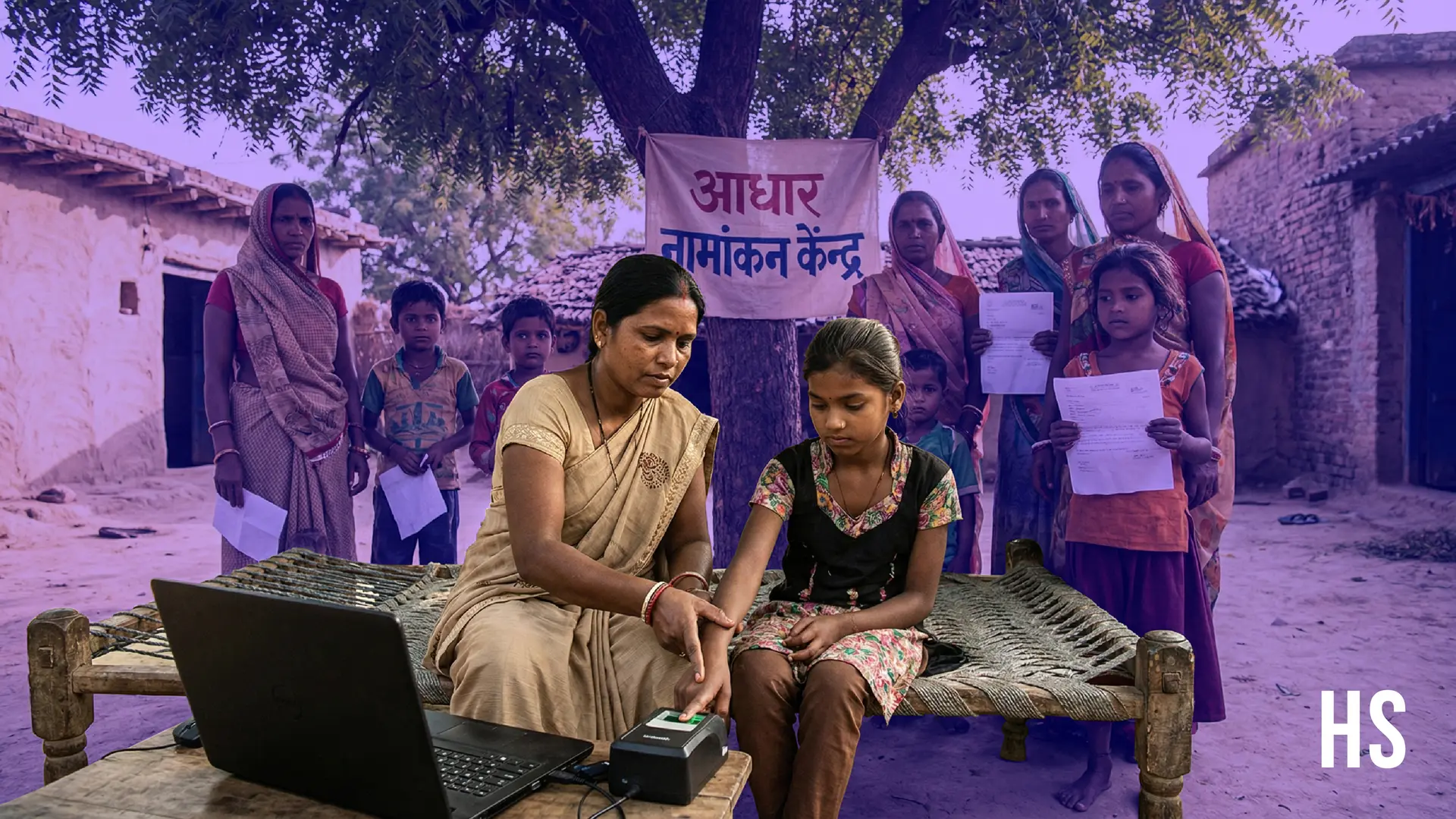
Upon noticing that children were out of school, she engaged with parents and motivated them to enrol their children. Today, as a result, 59 children are enrolled across anganwadi, primary, and middle schools in Sheohar district. She also helps children obtain Aadhaar cards, a necessity for school admissions.
This kind of purpose-driven leadership is not limited to community spaces. Across India, women entrepreneurs and professionals are also leading change in unconventional ways, building sustainable businesses or leading social ventures. Whether it’s young founders pioneering environmental solutions in small towns or women professionals creating inclusive workplaces in big cities, each act of courage ripples outward.
And this is precisely the kind of leadership communities, schools, and societies need today.
Missed opportunities
Women and girls continue to face exclusion from life-determining opportunities. Their participation in education, employment, health security, and governance across levels is restricted. Their roles are still largely perceived as mothers and caregivers for their families. It is not surprising that India currently ranks 131 out of 148 countries in progress towards closing the gender gap.
The statistics paint a grim picture. The incidence of child marriage among girls is still 23.3%. Despite near-universal enrollment in early childhood, 8.1% of girls aged 15–16 remain out of school. Women in India spend 4.5 to 6 hours a day on unpaid care work; men spend less than one. Only 32.8% of women are part of the paid labour force. Opportunities become even scarcer when viewed through the lenses of age, ethnicity, ability, wealth status, religion, sexual orientation, and migration.
This deeply impacts progress toward the ambitious vision of Viksit Bharat @ 2047. If half the population is excluded from shaping communities, workplaces, and systems, how inclusive or effective can those systems really be?
Barriers within the education system
Despite evidence highlighting the relevance and urgency of enhancing women’s roles in communities and systems, gaps persist. These gaps are the result of centuries of rigid structures and detrimental societal norms, not of women’s capacity or potential.
So how does this play out, particularly in the education system? The barriers women face here are structural, systemic, and social; they deprive them of much-needed opportunities to learn, lead, grow, and inspire their communities.
Structural barriers: Safety and mobility concerns, lack of secure transportation, and gender-unfriendly school infrastructure keep girls out of school. Poor access to higher education and training institutes in remote areas further alienates female students. Girls and women also bear the burden of unpaid care work at home, and face work-life imbalance due to limited flexible arrangements and childcare support.
Systemic barriers: Women remain underrepresented in leadership and decision-making bodies across both private and public education systems, not just in India, but globally. Gender bias in recruitment, promotions, and leadership opportunities persists, often reduced to tokenistic inclusion in governance structures. Implementation of gender-focused education policies (scholarships, bridge programs for out-of-school children, menstrual hygiene support, career counselling, etc.) remains weak. Access to professional and leadership development for women educators is also limited.
Social barriers: Patriarchal norms and stereotypical gender roles fuel family and community opposition. There is still an incidence of child marriages in different pockets of the country. Leadership is still perceived as a male domain. The lack of mentorship and female role models in education, and access to professional networks further restrict women from pursuing opportunities.
The cycle is vicious. More girls than boys stay out of school and are unable to develop the skills and mindsets needed to succeed in workplaces, including the education system itself. A lack of success stories and role models prevents norms from shifting. More girls and women continue to be denied opportunities. And we are left with the question: why aren’t women leading and driving change in the systems that they sustain and also have held them back?
Redefining leadership can catalyse change
Leadership today cannot be measured by title or hierarchy alone. The challenges India faces, from governance gaps to social inequities, demand new-age leadership: empathetic, adaptive, and collaborative. This is leadership that values listening as much as decision-making, and impact as much as recognition.
Across communities, women already embody this model, one that is inclusive, holistic, and deeply rooted in context. Women lead with both head and heart—blending intuition with intellect, care with conviction. Mothers and community workers understand education gaps intimately. Because of their roles, communities trust them, allowing them to engage and inspire families more easily. When educated and empowered, women also invest more in their children’s education, both boys and girls.
Women also convene dialogues, mentor peers, and lead micro-improvements, quietly but effectively transforming their communities. They identify challenges to school education and, despite not holding official titles, lead efforts to retain girls in school, navigate scholarship schemes, and shift social norms around early marriage. Everyday acts of leadership such as these often go unnoticed, but they compound and create ripple effects that strengthen social cohesion and collective problem-solving.
Celebrating the everyday
The question is no longer whether women can lead, but how society can reimagine leadership to reflect the realities, strengths, and aspirations of women. This begins with recognising and rewarding everyday leadership, and celebrating the small, persistent actions and micro-improvements women drive in homes, communities, and workplaces, which collectively form the foundation of change. Formal and informal networks play a vital role in nurturing this leadership.
Women’s associations, professional collectives, and community platforms provide spaces where women can exchange ideas, access opportunities, and build confidence. When this leadership is recognised and amplified, it becomes a role model and inspires generations to come.
It also means engaging men and boys as allies, not gatekeepers. Shared responsibilities at home, equitable access to resources and opportunities, and the amplification of women’s voices in decision-making spaces are essential to ensure gendered expectations do not constrain leadership.
Equally important is addressing structural barriers. Policies, workplace practices, and community norms must be reimagined to expand women’s time, mobility, and access to leadership roles. This includes normalising parental leave, childcare support, leadership pipelines, redistribution of unpaid care work, and flexible work arrangements.
Finally, building mentorship and peer networks is critical. Supportive spaces where women can learn, share, and amplify each other’s leadership help reinforce collective strength and sustain change.
By focusing on these pathways, leadership becomes inclusive and lived, not just appointed. Women do not merely occupy positions of power; they reimagine the very idea of leadership, showing that India’s future is stronger, fairer, and more resilient when leadership is shared, celebrated, and exercised every day.
(Khushboo Awasthi is Co-founder, ShikshaLokam & Mantra4Change and Aaradhana Dalmia is Chairperson, YFLO Delhi & Trustee, The Dalmia Charitable Trust)
(Disclaimer: The views and opinions expressed in this article are those of the authors and do not necessarily reflect the views of YourStory.)