



MSMEs, women and digitisation: The next growth chapter
India's MSME story has always been a story of resilience against the odds, and it can never be complete without women.

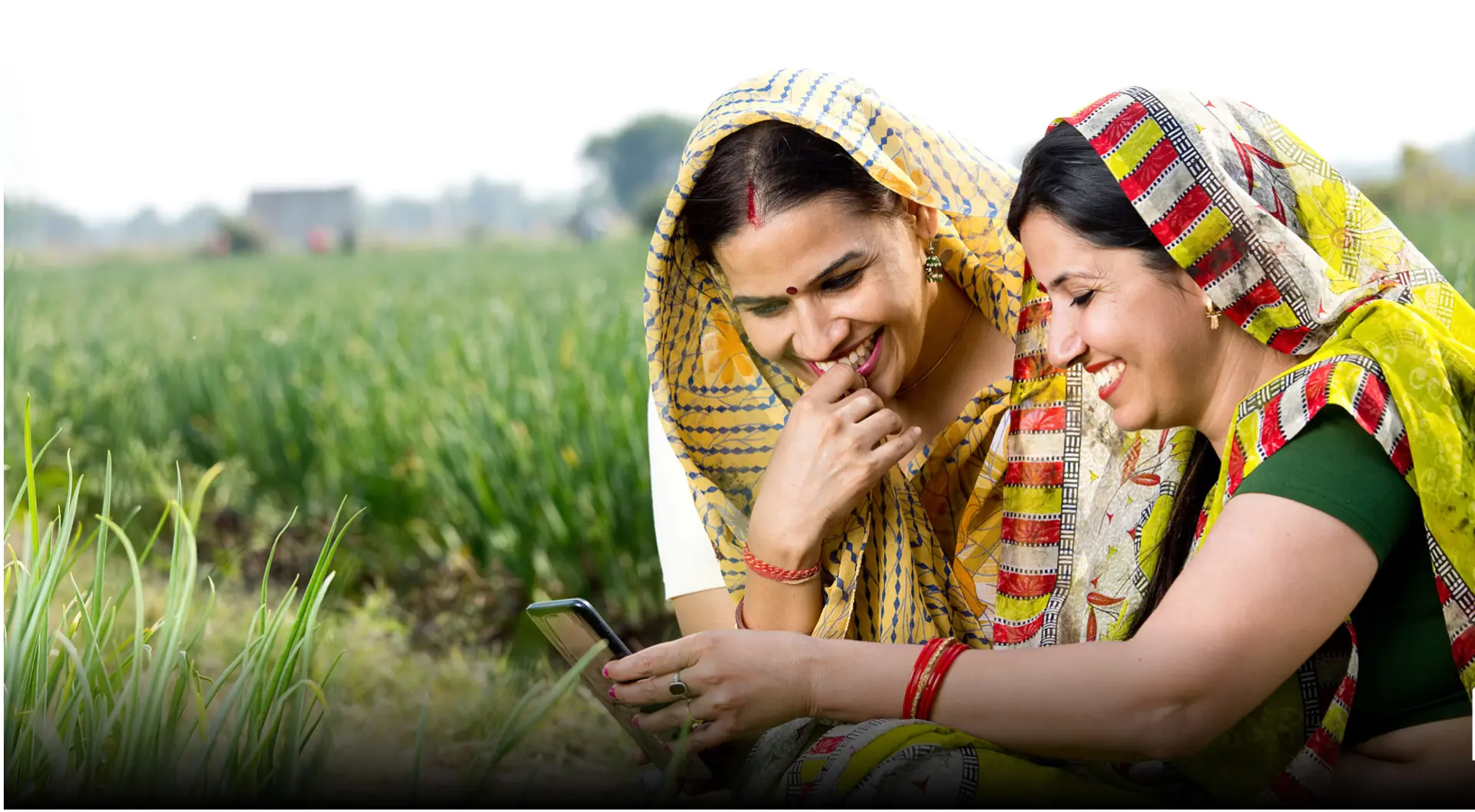

The MSME ministry’s report showcases that women own 20% of registered MSMEs in India. Over the past two decades, we have been witnessing a gradual yet structural shift as more women are entering the entrepreneurial journey, which was traditionally a male-dominated arena.
If MSMEs are the engine, women are the high-octane fuel. Women are no longer just entering business to support a household; they are leading D2C (Direct-to-Consumer) brands, EdTech startups, Agri-tech cooperatives, and many more, announcing that they are taking this journey as a mainstay, at par with their male counterparts.
The key enablers:
Improved Literacy: Female literacy rates have been steadily improving, rising from 64.6% in 2011 to 72.6% in 2021 (NSSO data). This has not only improved the ability to read and write but has also enhanced financial awareness and Digital Literacy. Moreover, education always helps remove fear and myths and helps society to think innovatively, as has been the case with our womenfolk.
Contrary to a decade ago, there has been a much-needed shift in mindset around equal opportunities, access to education, and knowledge, which has helped women enter the workforce, set up their own ventures, or take over family businesses. This is well evident from the fact that proprietary MSMEs owned by women have surged from 19.3% in FY15 to 25.6% in FY25.
Tech availability and accessibility: India’s mobile-first approach and ease of tech adoption have helped women become part of the digital world. The availability of technology at the tap of your hand, along with platforms like IndiaMART, WhatsApp, and Instagram – among others - is a key enabler for women to pursue their entrepreneurial journey from their households.
Social Commerce, Cloud, SaaS & AI have been democratising opportunities for women to explore and successfully build their entrepreneurial journeys.
Multiple role models: There has been a significant rise in the number of successful women entrepreneurs in India and across the globe. Be it corporate leaders like Indra Nooyi and Leena Nair, or leading entrepreneurs Kiran Shaw Majumdar, Falguni Nayak, or Ghazal Alagh, we can find successful women across all clusters becoming role models for household women to venture out, take risks, and set up their own businesses. Within families, women starting their own businesses has become a much more acceptable norm today.
Govt policies and VC enablement: Year on year, the GoI continues to launch or further fuel the ongoing women entrepreneurship initiatives. CGTMSE's 90% credit guarantee for women-owned MSMEs, customised credit cards for women entrepreneurs and much more, are encouraging them to enter the startup ecosystem. Even VC funds have become quite active in funding women-led start-ups and ventures.
What needs to change?
An IDR report showcases that women-owned businesses have higher loan repayment rates. Despite their small scale, women-led MSMEs are proven to create 11% more jobs for other women than male-led firms. This reflects that we need to create more opportunities for women to build their businesses. However, the path for a woman entrepreneur remains more of a labyrinth than a ladder.
Higher loan repayment rates, but the financing gap is still more than men. 95% of women-owned MSMEs continue to operate in the informal sector, often as home-run micro-enterprises. This is the change we need, from survival to scale.
Proficiency in advanced areas such as data analytics and digital marketing can help women make better use of the online tools available to them. Limited awareness of government programmes and initiatives, and decreased knowledge of cybersecurity, act as deterrents to full digital adoption. Together, these factors enhance online visibility, making digitisation a driver not only of growth but of sustained durability.
India's MSME story has always been a story of resilience against the odds, and it can never be complete without women. Today, women entrepreneurship is no longer a social cause but an ambition and aspiration of a large section of women in our modern society. Creating an infrastructure of inclusion - credit access, digital literacy, cybersecurity awareness, and formalisation pathways is how we enable every women-led business to not just survive but thrive.
For India to move towards a $5 trillion economy, women’s entrepreneurial growth will play as important a role as tech adoption or any other critical policy measures.
(Dinesh Gulati is COO Of IndiaMART Intermesh)
(Disclaimer: The views and opinions expressed in this article are those of the author and do not necessarily reflect the views of YourStory.)
Edited by Rekha Balakrishnan