



The role of Mother’s Day in shaping India’s gifting and occasion economy
Mothers spend their lives creating moments for others; Mother’s Day is an opportunity to make that moment about her.

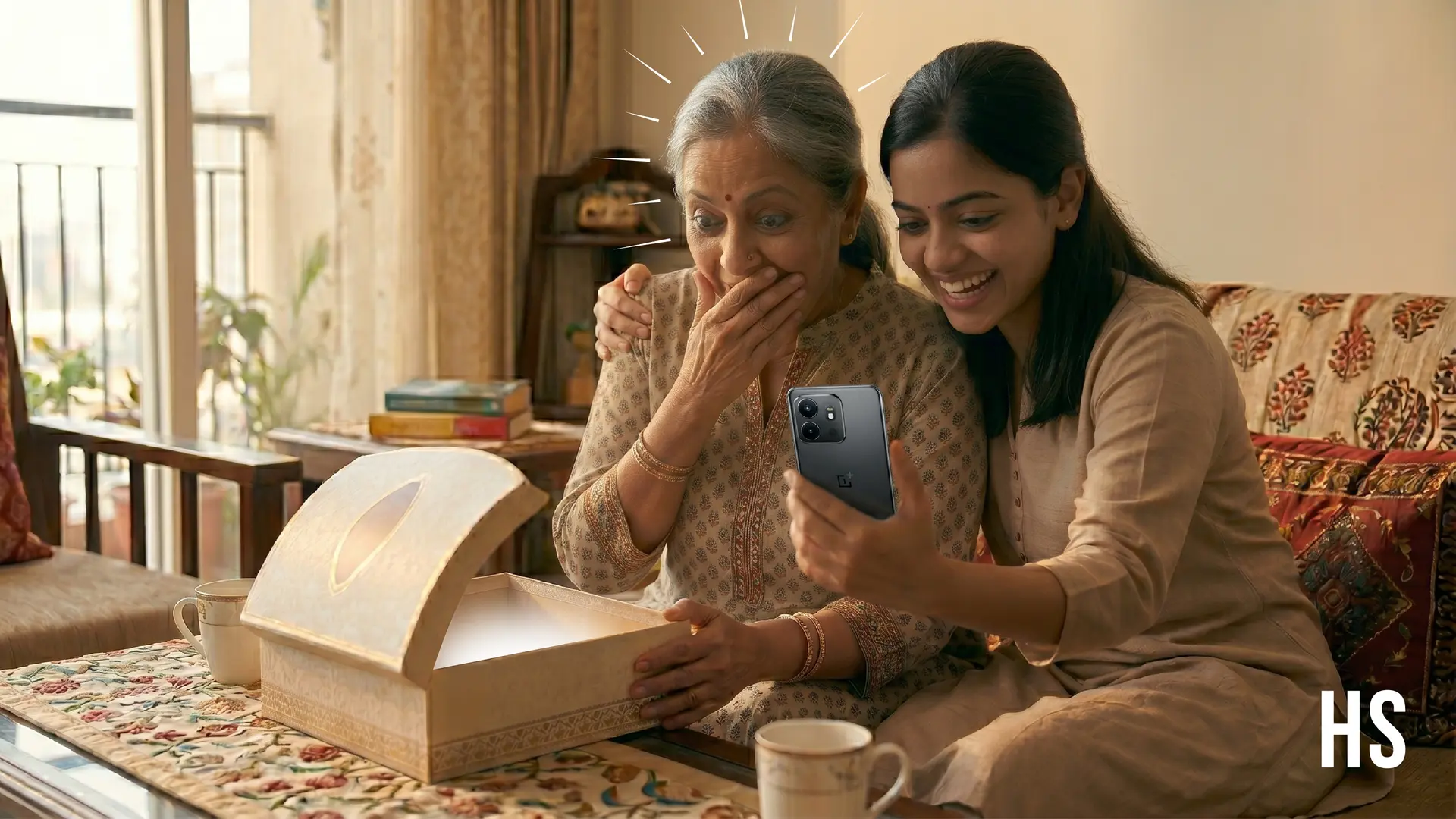

The relationship between a mother and child is one of the most unconditional forms of love, yet we don’t always express it enough.
Mother’s Day has become the moment in the year when people pause to say a simple yet powerful “thank you.” What started as a relatively small occasion is now widely embraced across generations, expanding India’s gifting culture beyond traditional festivals.
This shift reflects a larger change in how people approach gifting. It is no longer just about marking an occasion, but about expressing emotions that often go unsaid. Flowers, cakes, and personalised gifts have become the language through which people share gratitude, affection, and appreciation.
Flowers remain the most instinctive and timeless expression of love. At the same time, personalised gifts are seeing the fastest growth. The intent is no longer just to gift, but to make her feel seen and appreciated.
Consumers are increasingly choosing options that feel more thoughtful—whether it’s customised details, curated hampers, or meaningful combinations. Cakes, hampers, and even plants are all seeing strong demand, driven by the same need to make the gesture more meaningful.
This shift is also visible in changing consumer expectations. The question today is not “What should I gift?” but “How do I make this moment special for her?” People are moving away from generic choices towards gifts that feel more personal and considered. The focus is on creating a moment, not just sending a product.
A few clear trends stand out. Personalised keepsakes continue to lead, as people want gifts that feel truly unique.
Curated hampers and gift boxes are growing in popularity, offering a complete and thoughtful experience. There is also a clear shift towards experiences—creating moments that can be remembered. At the same time, last-minute gifting remains significant, underscoring the importance of convenience and same-day delivery in the ecosystem.
Mother’s Day creates a clear moment for gratitude, and that naturally leads to more thoughtful gifting. For many, it is where the shift begins—from routine gifting to more intentional choices. Over time, this behaviour extends to other occasions as well, contributing to the growth of India’s occasion-led economy.
At its core, the emotional essence of Mother’s Day lies in acknowledging what is often taken for granted. Many assume their mothers understand how much they are valued, but rarely say it. This occasion acts as a reminder to express that gratitude. A gift becomes a way to say it—not about the scale, but about making her feel recognised and appreciated.
When a gift reflects a mother’s individuality—her preferences, her personality—it becomes more than just a gesture. It becomes recognition. Mothers spend their lives creating moments for others; Mother’s Day is an opportunity to make that moment about her.
This also reflects a broader shift in how motherhood is seen today. A mother is balancing multiple roles—professional, caregiver, homemaker, and an individual with her own aspirations. Gifting has evolved alongside this, with more curated options designed around different types of mothers, making each choice feel more personal and relevant.
Looking ahead, a few trends will continue to shape Mother’s Day gifting. Personalisation will go deeper, making gifts feel more specific and meaningful. There will be a stronger shift towards experiences—creating moments, not just giving products. And social platforms will continue to drive discovery, especially among younger consumers.
Ultimately, Mother’s Day will remain about one simple thing—expressing gratitude in a way that feels real, thoughtful, and personal.
(Pawan Gadia is Global CEO & Director, FNP)