



Forgotten, Fierce, Unstoppable: 10 Indian women who fought the Raj and were left out of the textbooks
From a 13-year-old tribal guerrilla leader to a 73-year-old Gandhian who refused to drop the flag under police fire, these 10 women helped dismantle the British Empire—and were quietly left out of India’s history books and discussions.

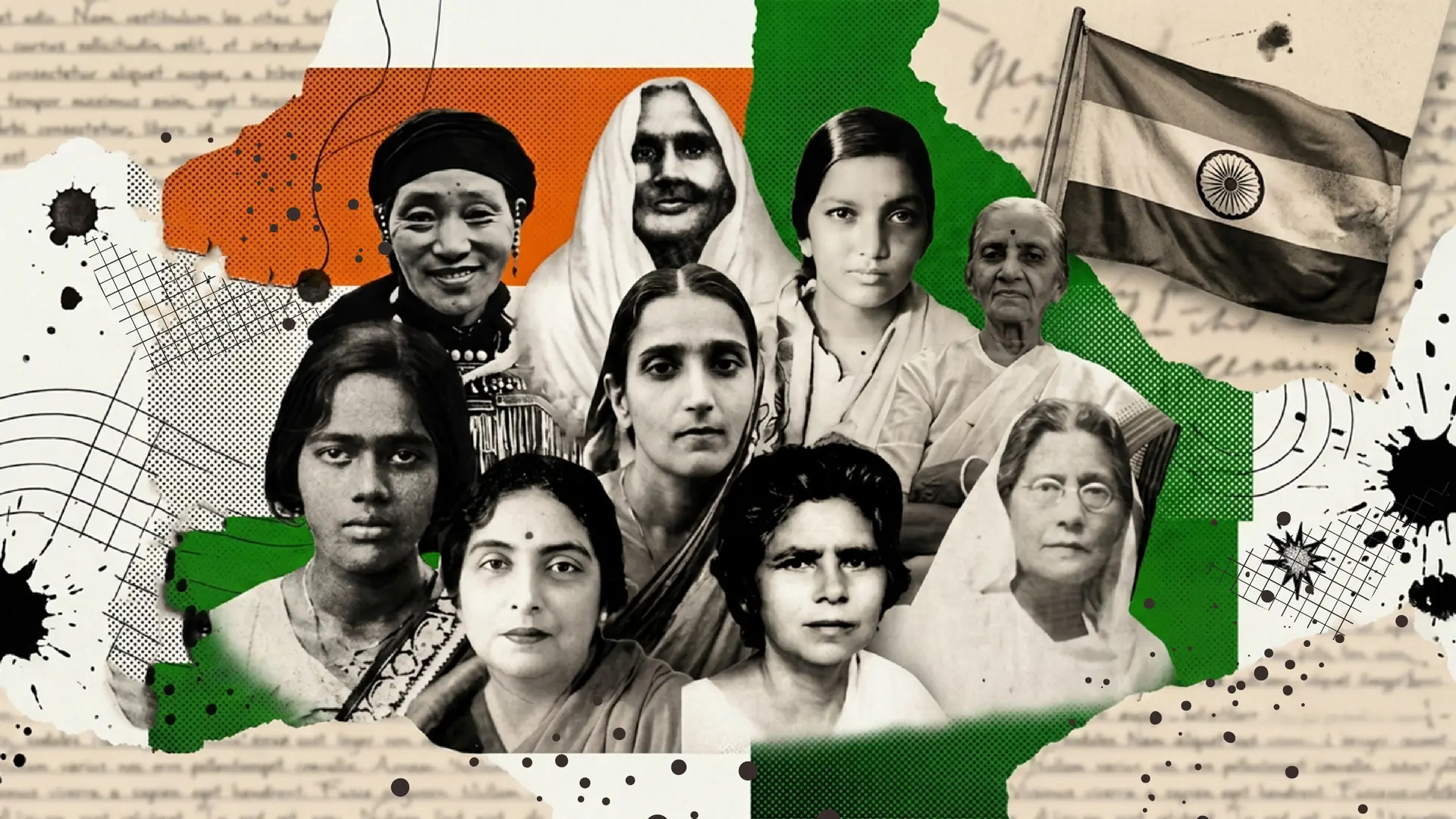

If you grew up turning the pages of standard Indian history textbooks, you’d be forgiven for thinking the Indian freedom struggle was an all-boys club with a handful of notable exceptions like Sarojini Naidu or Annie Besant.
It wasn't.
Behind the grand political negotiations and the celebrated speeches were teenage girls running underground radio stations, grandmothers marching straight into police gunfire, and young women smuggling revolutionaries out under the noses of colonial intelligence. They didn’t just participate; they led, conspired, threw bombs, and held the tricolour up until their last breath.
Yet, history managed to quietly erase them. Here are 10 women who gave everything to free India—and why we need to remember their names today.
1. Matangini Hazra — Bengal
Because age is just a number when you’re facing down colonial rifles.
Picture a 73-year-old woman leading a massive, defiant procession toward a police station in Tamluk during the peak of the Quit India Movement in 1942. The British police yelled at the crowd to halt and opened fire. Matangini Hazra didn’t flinch. Known locally as Gandhi Buri (the old Gandhian woman), she kept marching forward, holding the national flag high and chanting Vande Mataram. She was shot multiple times, but she didn’t let the flag touch the dirt until she collapsed.
2. Kanaklata Barua — Assam
A 17-year-old leader who knew exactly what she was dying for.
Kanaklata Barua was barely out of her childhood when she took charge of the Mrityu Bahini (the Death Squad) in Assam. On September 20, 1942, the 17-year-old led an unarmed group to hoist the tricolour at the Gohpur police station. When the police warned her that they would shoot, she didn't turn back. She kept moving, flag in hand, until colonial bullets cut her down.
3. Pritilata Waddedar — Bengal/Chittagong
The schoolteacher who stormed a white-supremacist club.
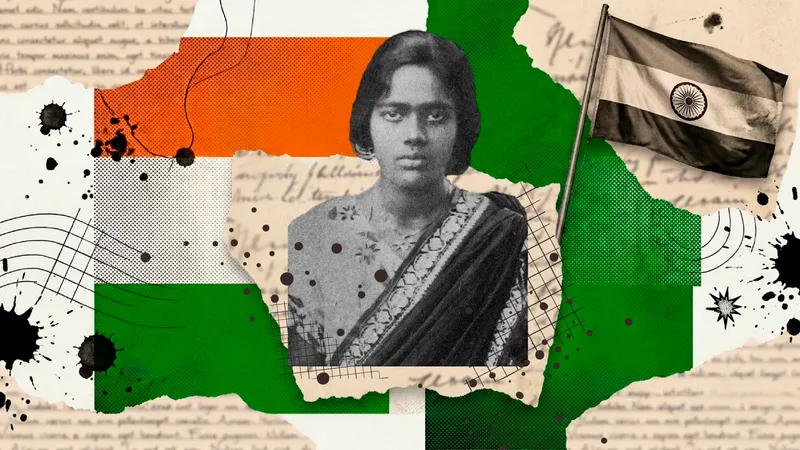
Pritilata was a brilliant student and a headmistress who chose revolutionary violence over passive submission. Joining Surya Sen’s revolutionary cell in Chittagong, 21-year-old Pritilata led an armed assault on the Pahartali European Club—a venue notorious for a sign outside that read: “Dogs and Indians not allowed.” The raid was a success, but Pritilata was hit in the crossfire. Refusing to let the Raj capture, interrogate, or parade her as a prize, she swallowed cyanide and died on her own terms.
4. Durgawati Devi — Uttar Pradesh/Punjab
The mastermind behind Bhagat Singh’s greatest disguise.
History books love to call Durga Bhabhi a "helpmate" to male revolutionaries, but let’s set the record straight: she was an operative in her own right. After Bhagat Singh and Shivaram Rajguru assassinated British officer J.P. Saunders in Lahore, the Raj launched a massive dragnet. Enter Durga Bhabhi. Posing as Bhagat Singh’s stylish, upper-class wife—carrying her own child in her arms—she calmly walked him past colonial guards and onto a train to Kolkata. She ran safe houses, funded revolutionary networks, and was one of the fiercest members of the HSRA.
5. Kalpana Datta — Bengal/Chittagong
The bomb-maker who refused to stay in the kitchen.
Another legendary force from Surya Sen’s Chittagong network, Kalpana Datta didn't just support the rebellion—she built it. She specialized in making explosives and disguising herself in male attire to transport ammunition across British checkpoints. She was arrested after an armed encounter in 1933 and sentenced to life imprisonment. While Surya Sen was executed, Kalpana survived to tell the story of a generation of young women who traded pen and paper for dynamite.
6. Tara Rani Srivastava — Bihar
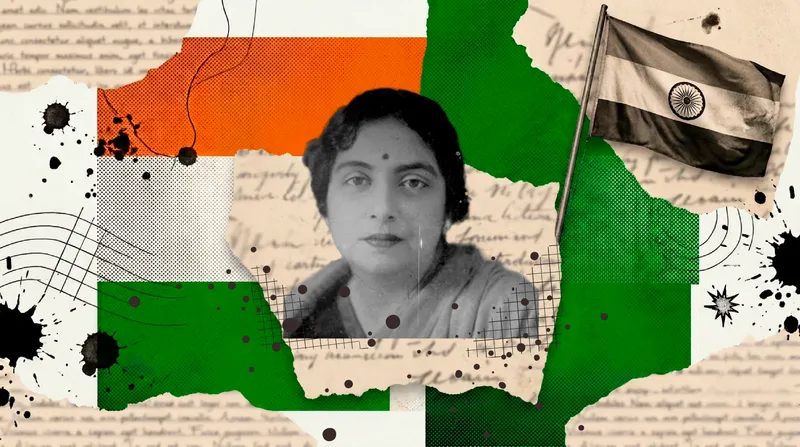
She bandaged her husband’s bullet wound and finished the march.
During the 1942 Quit India protests, Tara Rani and her husband Phulendu were leading a rally toward the Siwan police station when police opened fire. Phulendu was struck down instantly. Tara Rani didn't scream or retreat. She tore a strip from her saree, bandaged his bleeding body, told him to stay put, and marched right back to the front line carrying the flag. When she finally returned to his side after holding the protest, he had died. Her resolve, however, never did.
7. Bhogeswari Phukanani — Assam
A 60-year-old mother who hit back—literally.
You don't mess with an Assamese mother protecting her land. In 1942, when British soldiers forcibly tore down the Indian national flag in Berhampur, 60-year-old Bhogeswari Phukanani snapped. She didn't just protest; she hit a British officer square in the face with the wooden staff of the flag. The officer immediately shot her. She died days later from her wounds, leaving behind eight children and a legacy of raw, unfiltered rage against colonial rule.
8. Parbati Giri — Odisha
The teenage rebel who became a force of nature.
Parbati Giri was just 16 when she started mobilizing people against the Raj, delivering electric speeches and shutting down government offices during the Quit India Movement. The British threw her into prison for two years, thinking it would break her. It didn't.
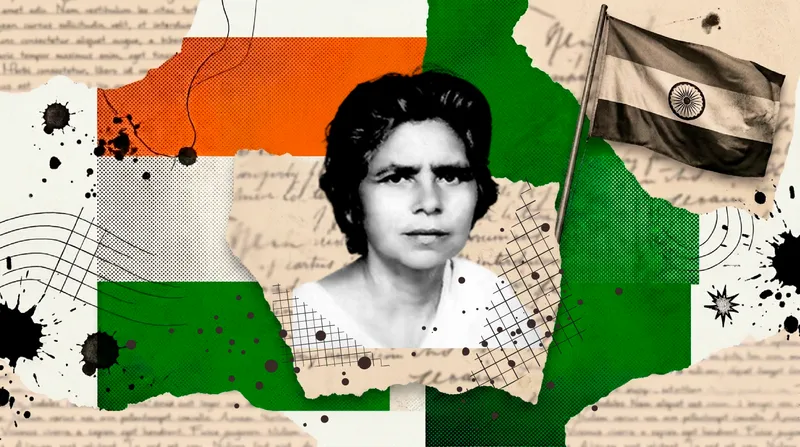
Post-1947, she poured that same unyielding energy into rebuilding Western Odisha, opening orphanages and fighting for rural welfare—earning her the title of "Mother Teresa of Western Odisha."
9. Rani Gaidinliu — Northeast India
The 13-year-old guerrilla leader who terrified the British Empire.
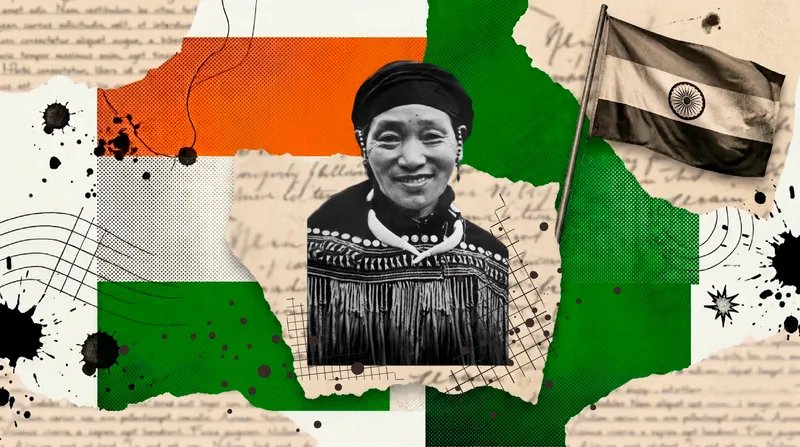
At an age when most children are dealing with homework, Rani Gaidinliu was leading an armed tribal rebellion against the British in the hills of Manipur and Nagaland. Joining the Heraka movement at 13, she took over command at 16 after her mentor was executed. She organized a formidable guerrilla war against colonial troops. Captured at 16, she was sentenced to life in prison and was only freed when India gained independence in 1947.
10. Usha Mehta — Gujarat/Bombay
The 22-year-old running a secret radio station to beat the Raj’s censorship.
When the British clamped down on the press during Quit India, arresting top leaders and banning news reports, 22-year-old Usha Mehta decided if they couldn't read the news, they’d hear it. She established Secret Congress Radio, an underground, mobile radio station that broadcast nationalist updates, speeches, and uncensored news across India. Shifting locations constantly to evade detection, Usha kept the fire of resistance burning in millions of living rooms until her eventual arrest.