



How Gallant Sports is laying the right track for India's future sports champions
Gallant Sports & Infra has built a country-wide network in the business of sports infrastructure, and the goal now is to go beyond the metro locations

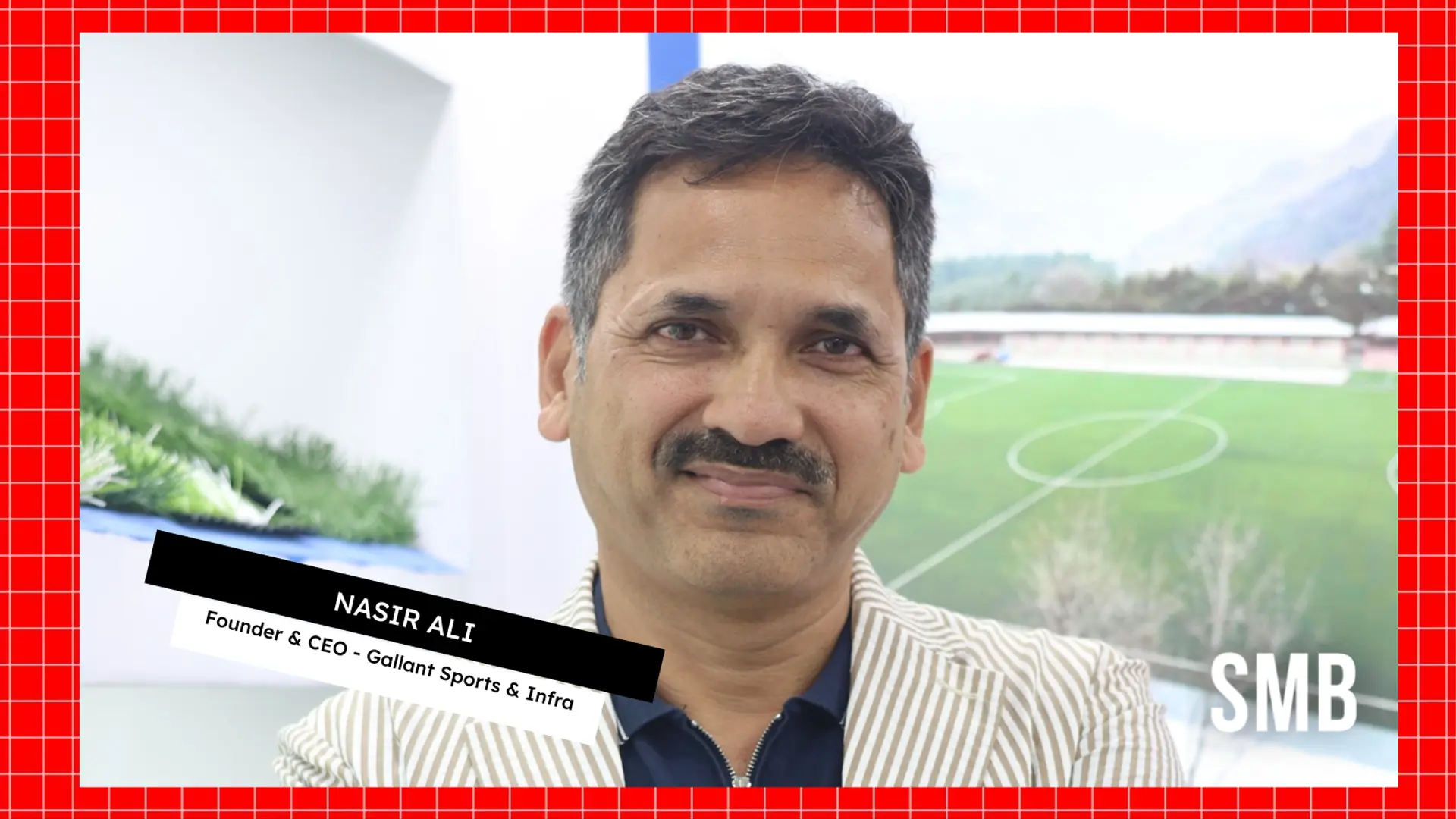

Times are changing for sports in India as governments, educational institutions, and corporates are putting their money into building much-needed infrastructure to nurture up-and-coming talent. At the forefront of this trend is Gurugram-based Gallant Sports & Infra.
Founded in 2016 as a bootstrapped venture by Stanford alumnus Nasir Ali, Gallant Sports & Infra is a provider of sports infrastructure, including astro turfs, athletic tracks, and stadium lighting. The company now aims to become a pan-India player, and the founder believes things are only going to get better for India’s sports landscape.
“If you do not give the right surfaces at the right age, you will not get champions,” says Ali as he bemoans India’s poor track record at the world stage, especially in the Olympic Games, in terms of winning medals.
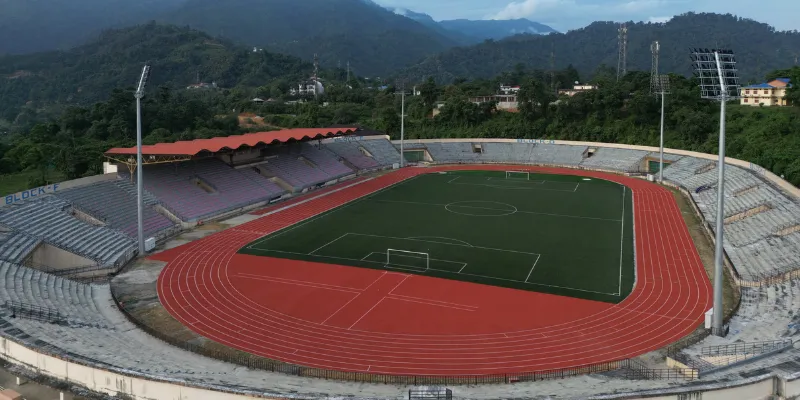
Yupia Stadium in Arunachal Pradesh

He coached Virat, Dhoni, D Gukesh & 25+ world champions: Paddy Upton's Secrets
Ali, being a sportsman himself, felt that what was severely lacking in India was the right kind of sports infrastructure. At first, Gallant Sports started importing equipment from overseas and installing it at various locations.
“Our idea was to give sports infrastructure that is cost-effective and long-lasting,” says Ali.
Gallant Sports had a promising start, with its revenue jumping from Rs 1 crore to Rs 10 crore in a span of just one year.
A joint report by Deloitte and Google has pegged the size of the sports market in India to touch $130 billion by 2030, growing at a CAGR of 14% from $52 billion in 2023.
The two primary target segments for Gallant Sports were the government and educational institutions. Today, governments across the country have brought sports to the top of the priority list and are building the necessary infrastructure. On the other hand, educational institutions are also keen to have the same but are worried about the costs.
Ali claims that over the past nine years, Gallant Sports has undertaken about 300 projects for educational institutions, which has increased the participation of students by over 1,000%. “Our surfaces are injury-free, long-lasting, low maintenance and environmentally friendly,” he remarks.
Gallant Sports has laid out infrastructure for governments across the country, and Ali claims it is one of the largest suppliers in the country for this segment. This company operates on a model of imports and turnkey projects, and now it is getting into manufacturing.
Today, Gallant Sports predominantly imports the sports infrastructure from Europe and Southeast Asian countries. In a small way, it has made its foray into domestic manufacturing.
Outside of government segments and educational institutions, Gallant Sports also runs its own sports arena under Gallant Play. This includes facilities that can be used for multi-sports and are focused on communities who are interested in sports as a leisure activity. It has 12 such centres in the Delhi-NCR region, amounting to 5,000 square metres of space.
Corporate social responsibility (CSR) programmes organised by corporates have brought in a new line of business for Gallant Sports. This has seen them setting up a football field at 15,000 feet at Ladakh, besides other locations like Arunachal Pradesh, and interior Odisha, to name a few.
Gallant Sports completes around 30 lakh square feet of installation every year, amounting to about 100 projects every year, and the aim is to take this number to 200-300 annually. This company’s focus has largely been providing infrastructure to sports like athletics, football, hockey and basketball, to name a few, and it plans to expand into other sports.
The span of activity by Gallant Sports involves the import of products, installation, maintenance, operating sporting arenas and manufacturing.
The journey over the last nine years saw Gallant Sports touch a revenue of Rs 75 crore in FY25 with a 10% profitability. For FY26, it is aiming to reach Rs 100 crore in revenue.
As part of its plans, Gallant Sports is now looking at expanding its presence beyond the metros and going into Tier II locations. Besides, it aims to build a dealer and distributor network across the country.
Ali says the goal of Gallant Sports will be to reach a revenue of around Rs 1,000 crore in the next five to six years, and it would also look at a franchisee model where others would undertake small-scale projects, with them passing on the know-how.
The subject of sports is now gaining traction as it has gone much beyond cricket. The government has already announced that it would be bidding for the right to host the 2036 Olympic Games. This is only expected to spur further activity.
“There is enough work for everyone, and we don’t mind anyone becoming bigger. The country comes first,” says Ali.
Edited by Jyoti Narayan