



Fragrance, family, and legacy: The Indian brands keeping the country’s perfume heritage alive
From festivities to daily use, SMBStory brings five legacy brands that continue to perfume Indian homes with purpose and history.

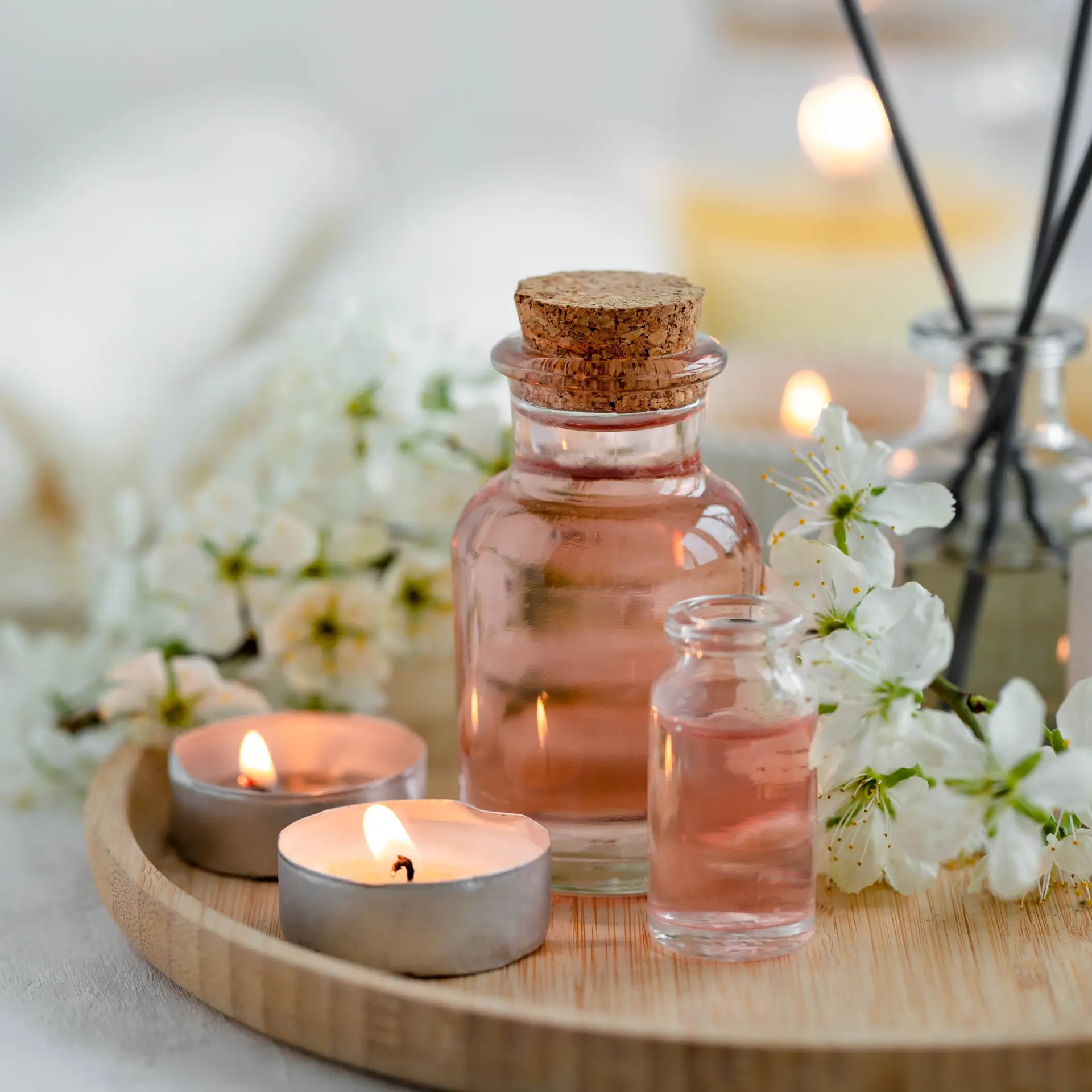

The art of extracting fragrance is an ancient one, often passed down through generations. Ancient Egyptians used fragrant oils to preserve their mummies. In the Middle East and Far East, some fragrant oils were used as aphrodisiacs, while others employed them for religious purposes.
For centuries, fragrance has been at the heart of Indian living—woven into rituals, festivities, and daily life. From burning incense at dawn to applying sandalwood paste in summer, scents have long symbolised purity, prosperity, and peace.
In modern India, this ancient connection has taken a new form, with a handful of legacy brands turning India’s fragrant traditions into contemporary lifestyle products. Here are some of the legacy brands that continue to perfume Indian homes with purpose and history.
IRIS Home Fragrances
A legacy that began in 1948 with N. Ranga Rao’s Cycle Pure Agarbathi brand has evolved into a multi-generational fragrance empire. Under the NR Group umbrella, Mysuru-based IRIS Home Fragrances was founded in 2008 to bring fine home perfumery into modern Indian homes.
Led today by Kiran Ranga, Managing Director of Ripple Fragrances (the lifestyle and air care division of NR Group), IRIS blends traditional craftsmanship with global design. Its product line extends far beyond incense sticks—offering reed diffusers, potpourri, aroma candles, essential oils, vaporisers, and sachets designed for contemporary spaces.
Each product is developed at the group’s in-house fragrance labs in Mysuru, blending Indian botanicals with international perfumery standards. With a growing export footprint, IRIS represents how a third-generation family business can reinvent an age-old ritual into a modern sensory experience.
Forest Essentials
In 2008, Mira Kulkarni founded Forest Essentials to revive India’s forgotten luxury: handcrafted Ayurveda. What started in Rishikesh with a handful of handmade soaps has grown into a global brand synonymous with “luxury Ayurveda.”
The brand’s portfolio now includes cold-pressed facial oils, ghee-based moisturisers, perfumes, bath and body care, and Ayurvedic hair elixirs—all made using fresh, locally sourced ingredients and traditional processes.
Today, Mira’s son Samrath Bedi serves as the executive director of the brand, helping scale the business across more than 130 stores in India and abroad. Even as it expands internationally, every Forest Essentials product continues to be made in small batches, using time-tested recipes and pure ingredients.

From puja rooms to lifestyle fragrances: How IRIS is transforming Indian homes
Kama Ayurveda
Established in 2002 by Vivek Sahni, Rajshree Pathy, Vikram Goyal, and Dave Chang, Kama Ayurveda brought the discipline of classical Ayurveda to minimalist modern packaging.
The brand gained a loyal following for its high-efficacy formulations for skincare, haircare, and wellness oils—like the Kumkumadi Miraculous Beauty Fluid, Bringadi Hair Treatment, and Nalparamadi Thailam—all made with authentic herbs and oils sourced from Ayurvedic institutions in Kerala and Tamil Nadu.
Under Sahni, who continues to lead as chairman and CEO, the brand has become India’s most recognised Ayurvedic skincare label. Following the majority acquisition by global beauty house Puig in 2022, Kama Ayurveda is expanding globally while retaining its Indian authenticity.
Good Earth
Founded in 1996 by Anita Lal, Good Earth began as a small design studio in Mumbai that explored surface design and pattern work. Over time, Lal’s encounters with India’s traditional crafts made her more aware of the need to adapt these practices for a contemporary lifestyle. What started as a design experiment gradually turned into a brand that tried to make Indian craftsmanship relevant again—through décor, tableware, textiles, and eventually home fragrances.
The brand’s move to Delhi’s Khan Market in 2007 helped it scale and refine its production. Known for its detailed hand-painted bone china, Good Earth also began training women artisans to maintain the quality it had come to represent. In later years, it expanded into new areas like interiors, kidswear, and even India’s first wine bar, while continuing to explore India’s cultural and aesthetic traditions through annual themed collections.
Its fragrance lines—such as Santalum (sandalwood and vetiver), Amber Dusk, and Ziya (rose and patchouli)—draw from Indian botanicals and traditional scent-making practices. The launch of its Web Boutique in 2013 and its collaboration with the Victoria & Albert Museum’s “Fabric of India” exhibition in 2015 marked its foray into the global design conversation.
Anita Lal continues to lead the brand’s creative vision, while her daughter Simone Arora oversees retail and expansion, ensuring Good Earth remains a bridge between India’s craft traditions and modern living.
Mysore Sandal Soap
Manufactured by the Karnataka Soaps and Detergents Ltd. (KSDL), Mysore Sandal Soap traces its roots back to 1916, when the Mysore Maharaja, Nalwadi Krishna Raja Wodeyar and Diwan Sir M. Vishweshwaraiah, decided to utilise the region’s abundant sandalwood resources to produce indigenous soaps.
Over a century later, Mysore Sandal Soap remains the only soap in the world made from 100% pure sandalwood oil, sourced from government-managed forests. Its signature creamy texture and woody aroma have made it a mainstay in Indian households for generations.
Today, KSDL continues to modernise its offerings—launching variants like Mysore Sandal Gold, Mysore Rose, and Sandal Millennium—but the heart of the brand remains unchanged: purity, heritage, and the unmistakable scent of Mysore sandalwood.
Edited by Suman Singh