



These MSMEs are reviving dying Indian crafts with global exports
From woodwork to handloom textiles, small enterprises are helping preserve traditional crafts while expanding India’s export footprint.

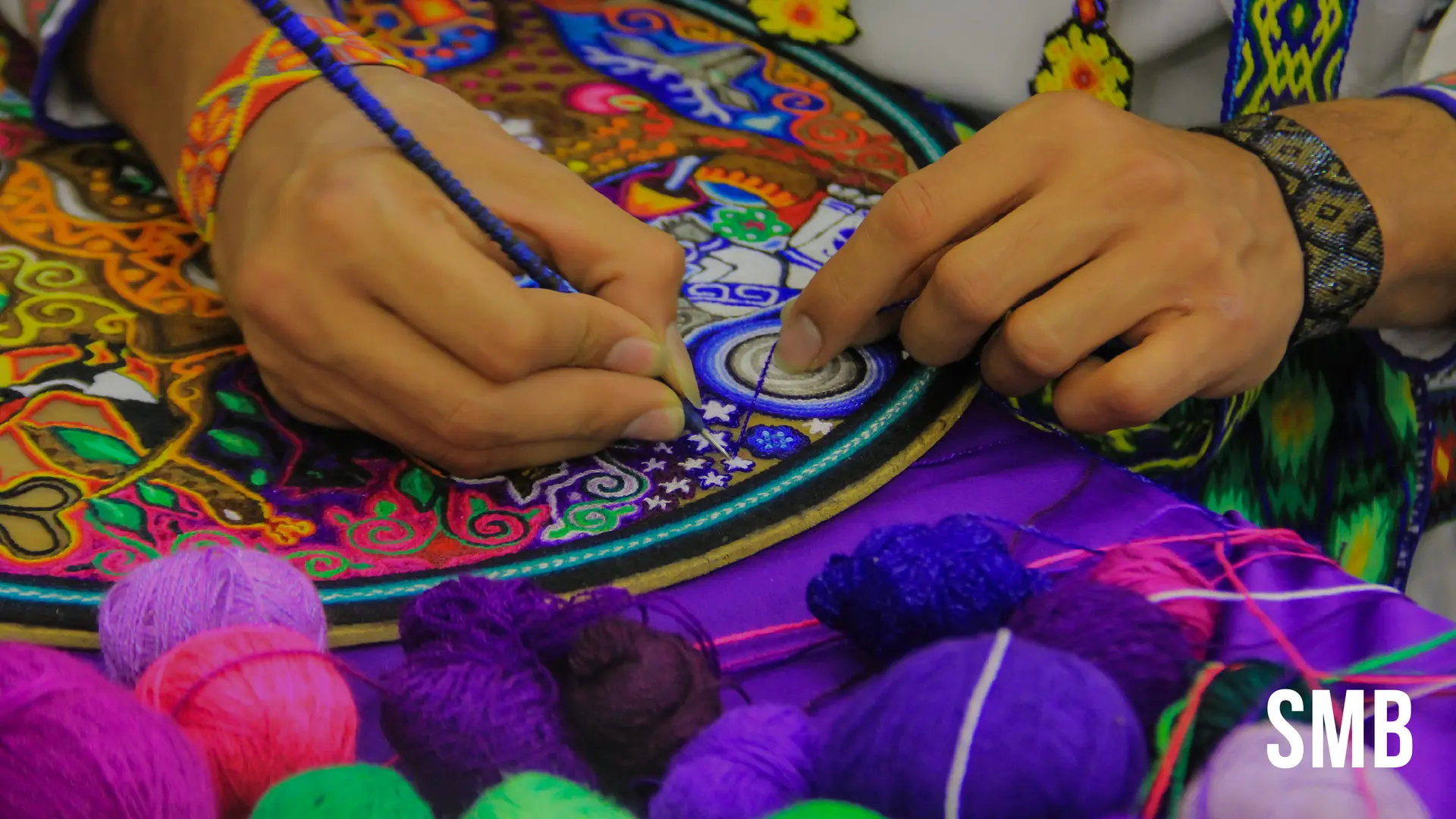

India is home to one of the world’s richest craft legacies, with traditions that date back centuries and reflect the country’s cultural diversity. Yet many of these art forms face the threat of extinction as modernisation, industrial production, and shrinking rural livelihoods make it harder for artisans to sustain their work.
At the same time, global markets are showing a growing interest in handmade, sustainable, and culturally rooted products, creating an opportunity to keep these crafts alive.
Bridging this gap are Indian MSMEs that not only provide livelihoods to artisan communities but also take local crafts to international buyers. From pottery and weaving to metalwork and tribal art, these enterprises are helping traditional skills survive by adapting them to modern markets while staying true to their roots.
Here are some organisations that are reviving dying Indian crafts through global exports.
Asha Handicrafts Association
Asha Handicrafts Association, founded in 1975, is a fair trade organisation in India that works with around 800 artisans to preserve traditional craft techniques while ensuring fair wages and better working conditions.
The association markets and exports handicrafts such as jewellery, textiles, ceramics, wooden products, and home décor to international buyers, using natural and locally sourced materials. It also provides training, trade support, and community programs in education and healthcare, with all surpluses reinvested for artisan welfare.
By supporting sustainable livelihoods and passing skills to younger generations, Asha Handicrafts helps prevent the decline of India’s diverse craft traditions.
Gaatha Handicrafts
Gaatha Handicrafts, founded in 2009 and based in Ahmedabad, works with over 3,000 artisans and 35 NGOs across India to document, research, and market traditional crafts through its online platform.
The company connects artisans with national and international buyers, offering products such as pottery, handloom textiles, jewellery, carvings, paintings, block-printed fabrics, and brass works from regions including Gujarat, Rajasthan, Madhya Pradesh, and Kashmir. By combining storytelling with commerce, Gaatha highlights the cultural and historical context of crafts while ensuring fair access to markets.
It also maintains a digital archive of over 250 crafts and provides artisans with IT training and trade support, helping preserve skills at risk of disappearing due to modernisation and creating pathways for younger generations to continue these traditions.
Ramnarayan Blue Art Pottery
Ramnarayan Blue Art Pottery (RN Blue Art Potteries), founded in 1980 by Ramnarayan Prajapat in Kotjewar village near Jaipur, specialises in the traditional craft of Jaipur Blue Pottery, a GI-tagged art form made from quartz powder, Fuller’s Earth, gum, and water instead of clay.
The enterprise produces items such as bowls, trays, flower pots, bathroom sets, lamps, and decorative accessories, exporting to markets in the US, Canada, and Europe. By employing artisans from local rural communities, including women and disadvantaged groups, and working with the Gramin Blue Art Pottery Samiti, it provides livelihood support while training new generations of craftsmen.
The company also adapts traditional designs with expanded colour palettes, ensuring the continuity and relevance of this centuries-old craft in modern markets and preventing its decline amid changing consumer preferences.
The India Craft House
The India Craft House (TICH), founded around 2010 in Gurgaon, works with over 2,000 artisans and craft-based organisations to preserve and market more than 80 traditional Indian crafts, including Dhokra metal casting, Madhubani painting, Pattachitra, Bidriware, and handcrafted textiles and woodwork.
By sourcing directly from artisans and NGOs, it ensures fair pay while eliminating middlemen, helping sustain livelihoods for many from marginalised communities. Through its online platform and offline channels, TICH connects traditional crafts with domestic and international buyers, offering home décor, gifts, and customised products.
The organisation also travels to remote villages to document and support endangered crafts, adapting traditional designs for contemporary use. By combining fair trade practices with consistent market access, TICH helps prevent the decline of India’s diverse craft traditions and ensures their relevance for future generations.
Rangsutra
Rangsutra, founded in 2006, is a community-owned craft enterprise where over 2,000 artisans, mostly women from regions such as Rajasthan, Uttar Pradesh, Kashmir, and Manipur, co-own and participate in its operations.
The company links rural artisans directly to domestic and global markets, producing garments, home décor, and accessories that draw on traditional crafts like appliqué, Chikankari embroidery, Bandhani tie-dye, and handloom weaving.
By offering design, marketing, and technical support, Rangsutra enables artisans to adapt their skills for contemporary use while ensuring fair wages and safer working conditions. Women constitute nearly 80% of its shareholders, making it a significant driver of gender empowerment in rural areas.
Through skill development, sustainable sourcing, and partnerships with major retailers, the enterprise helps prevent the decline of endangered craft techniques while securing livelihoods and passing knowledge to future generations.
S. Sundaravadivel and Company
S. Sundaravadivel & Company, founded in 1964 in Kumbakonam, Tamil Nadu, specialises in crafting and exporting religious artefacts made of brass, bronze, copper, silver, and gold.
Its portfolio includes statues of Hindu deities such as Natraj, Ganesh, Parvati, and Radha Krishna, along with temple bells, lamps, pooja thalis, kalash pots, and other ritual objects. Many of these items are handmade using traditional metal casting techniques rooted in South Indian temple art. By continuing these practices and training artisans, the company helps preserve centuries-old methods of religious metalwork that form an integral part of Tamil Nadu’s cultural heritage.
Through both domestic supply and international export, it prevents the decline of these crafts by sustaining livelihoods for artisans and ensuring that traditional temple art remains relevant and accessible to contemporary worshippers and global audiences.
Edited by Jyoti Narayan