



How Mumbai-based Parsi Dairy Farm built a 109-year legacy of trust and purity
Founded in 1916, Mumbai-based Parsi Dairy Farm is rebranding itself for new generations while still staying true to its roots.

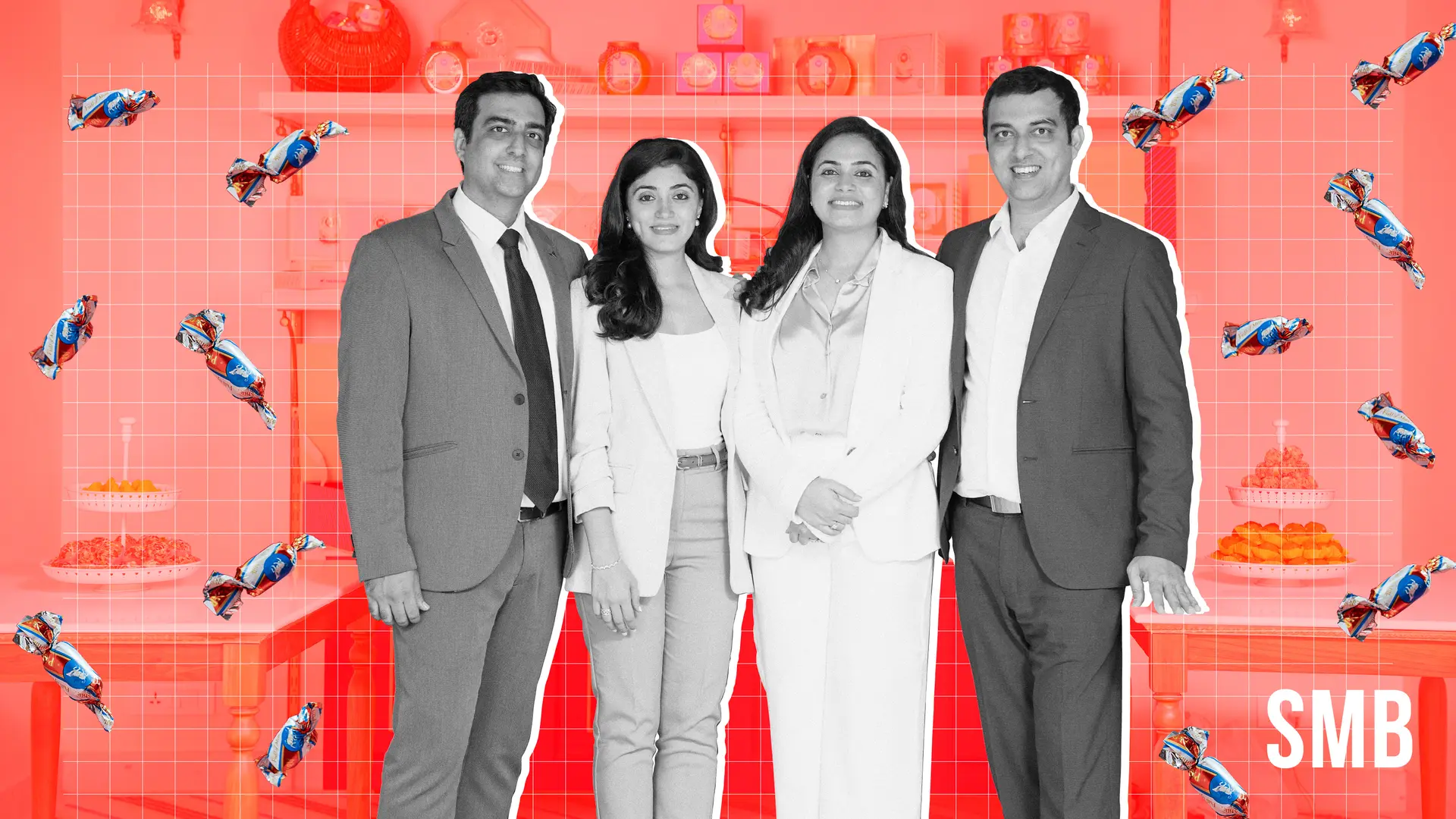

Before the era of 10-minute deliveries, mornings began with a walk to the neighbourhood dairy for the day’s fresh milk. For countless Mumbai households, that dairy was Parsi Dairy Farm.
Founded in 1916 by Nariman Arsheshir, then an 18-year-old, Parsi Dairy Farm’s journey started with a single can of milk.
Nariman’s objective was simple—to provide pure, trust-worthy milk to the families of Mumbai (then Bombay). Gradually, he started a home delivery service for milk—an innovative idea and an unusual service in pre-Independence India.
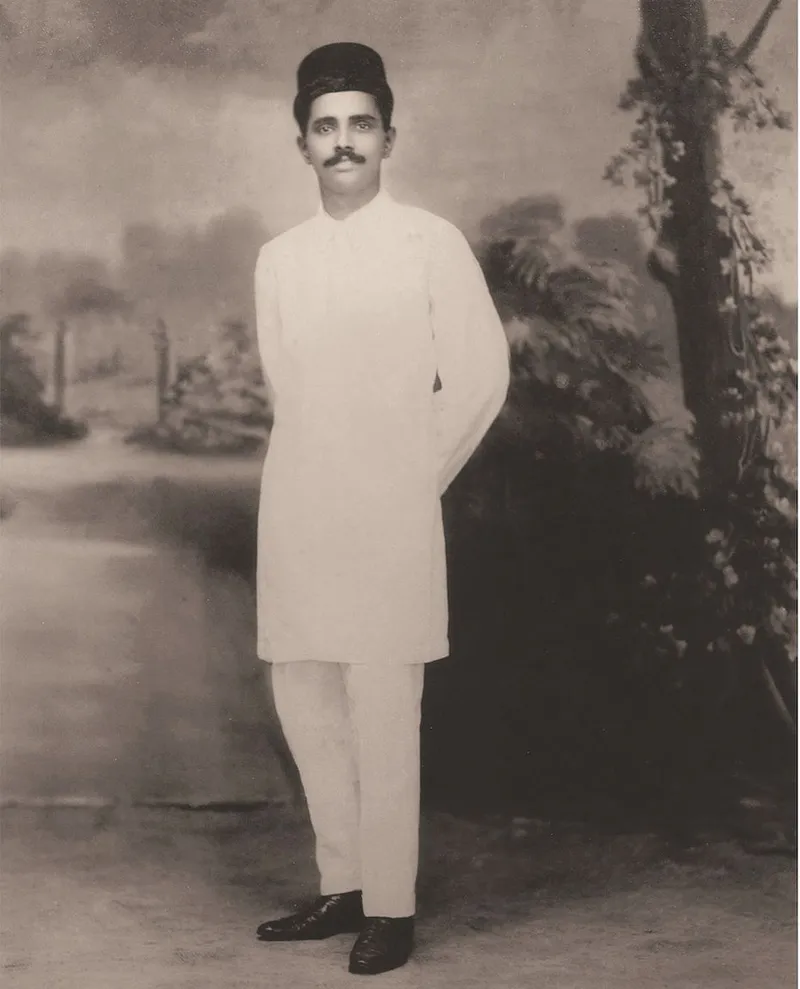
Nariman Ardeshir, Founder of Parsi Dairy Farm
What began as a small over-the-counter milk delivery service for a store in Marine Lines, an upmarket locality in South Mumbai, soon diversified to other dairy products. Over time, the distribution network grew from Marine Lines to Thane and expanded into a multi-generational business that continues to blend tradition with innovation.
“The process, the ingredients, the purity, those never changed. They are still the same as when our great-grandfather started it,” says Sarfaraz K Irani, who now helms the business along with sibling Bakhtyar K Irani, and cousins Zeenia K Patel, and Parvana S Mistry.
The beginnings
Nariman’s entrepreneurial instinct was triggered by necessity. Having lost his father at an early age, he was forced to shoulder responsibilities while still in school. When Nariman’s mother didn’t have enough resources to pay the school fees, his school principal encouraged him to sell stationery to the other children to stay in school. He later took up part-time jobs in Irani cafes and also sold lemonade to army men in Mumbai, before starting Parsi Dairy Farm.
Initially, Nariman procured milk from sheds at Mazgaon; later, as demand grew, he started sourcing from sheds in Parel and Jogeshwari.
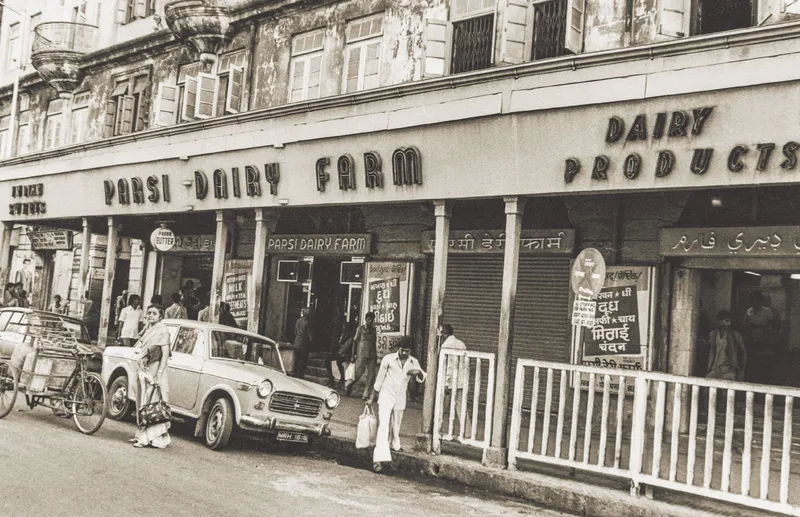
Parsi Dairy Farm, Marine Lines, Mumbai (then Bombay)
“As the city urbanised and the requirement for our milk and milk-based products increased, our (company-owned) cattle sheds or tabelas moved to Talasari,” Sarfaraz says.
At present, Parsi Dairy Farm has a 300-acre state-of-the-art production unit at Talasari, Maharashtra, that houses sheds, factory, manufacturing unit, and also a highway restaurant called Dairyland Parlour that’s run by the family. In addition, the company also sources milk through trusted milk suppliers, subjecting each batch to strict daily quality checks.
Beyond milk
Initially starting with just milk, Parsi Dairy Farm expanded to ghee, curd, mithai, Bengali sweets, paneer, suterfeni, buttermilk, kulfi, and yoghurt—the latter being a first for Mumbai. Today its portfolio has more than 80-products, although the family plans to focus on 15-20 core products for pan-India distribution. The Great Indian Toffee from Parsi Dairy Farm has been a beloved treat for generations.
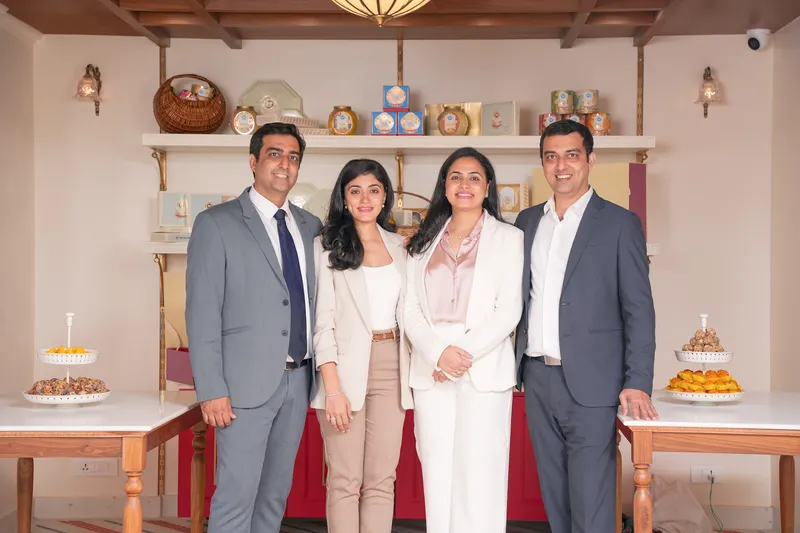
Fourth generation entrepreneurs of Parsi Dairy Farm at the revamped store in Marine Lines: Sarfaraz K Irani, Zeenia K Patel, Parvana S Mistry, Bakhtyar K Irani (L-R)
Currently, Parsi Dairy’s milk and milk products are sold across channels in Mumbai. Products with longer shelf life, such as ghee and kaju katli, are sold in cities in Maharashtra and Gujarat.
Parsi Dairy Farm’s best-selling products (based on the value of sale) include ghee, with 20,000 units sold every month, followed by kulfi at 65,000 units a month, and milk at 25,000 litres per month.
The brand’s reputation for purity was reaffirmed during the recent paneer adulteration scam in the country—the practice of mixing synthetic substances to paneer to increase its bulk and profit. While many brands were under scrutiny, Parsi’s paneer sales actually spiked.
“Customer trust is built over generations and often outweighs short term gimmicks,” says Sarfaraz.
Tradition meets technology
Parsi Dairy Farm has been operational for more than a century now, letting tradition take the lead.
Sarfaraz says, “We use technology to support tradition—not replace it. If something alters the taste, texture, or integrity of our products, we won’t do it. But if it makes them better, more consistent, or more sustainable without changing their characteristics, we’re all in. That’s how ‘unchanging purity’ stays real in today’s world.”

Indian sweets by Parsi Dairy Farm
While processes and ingredients remain the same, the brand experiments by adding flavours to the base product. For instance, the team has added raspberry to its coconut sweet, without compromising on the base product.
“The peda may look different, but the recipe is the same,” says Zeenia, Director at Parsi Dairy Farm. “We are not running behind trends like matcha or superfoods. Matcha is a trend everyone wants to do, but I don’t think it makes sense because it’s going to die out.”
The brand sells its products via three physical stores in Mumbai—at Marine Lines, Borivali, and Ghatkopar. It operates 16 dark stores across Mumbai, and 12 dark stores across Nashik, Nagpur, Aurangabad, Surat, Ahmedabad, Gandhinagar and Pune. It also sells via a mobile app and its own website; these contribute to 10% of total sales.
Besides, Parsi Dairy Farm has partnered with quick commerce platforms Swiggy and Zomato. It has also tied up with online retailers Amazon, Big Basket, and JioMart; and premium retail stores such as Nature’s Basket, Reliance Retail, Trent Star Bazaar, and Nuts & Spices to deliver products with longer shelf-life across other Indian states.
“We are using nitrogen and modified atmosphere packaging for products like kaju katli to increase shelf-life by 15-20 days, without using preservatives,” says Sarfaraz.
B2B sales—both online and offline combined—contribute to 35% of total sales.
It has also partnered with retail outlets and restaurants including Taj Hotels across India, Oberoi Hotels, and Olive Bar & Restaurants—this channel amounts to 55% of total sales.
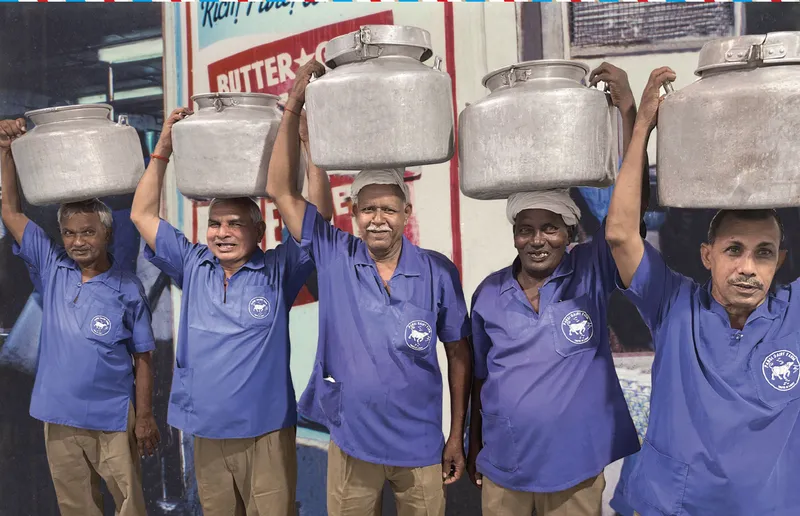
Parsi Dairy Farm staff
According to RoC filings accessed by SMB Story, Parsi Dairy Farm generated a revenue of Rs 38 crore in FY2023-2024, up from Rs 27 crore in FY2022-2023.
In recent years, Parsi Dairy Farm has undergone a rebranding exercise to connect with younger consumers, while sticking its original identity. It has retained the classic blue and white colours of the brand for nostalgia, and redesigned its stores with modern ‘Instagrammable’ aesthetics.
Commenting on profits, Sarfaraz says, “Any dairy’s key profit will always be the value-added products made out of milk. Milk sales are always high in terms of quantities but low on margins as it comes under the category of essential daily requirements.”
The big picture
According to market research company IMARC, the Indian dairy industry was valued at Rs 18,975 billion in 2024, and is expected to grow to Rs 57,001 billion by 2033, at a CAGR of 12.35%.
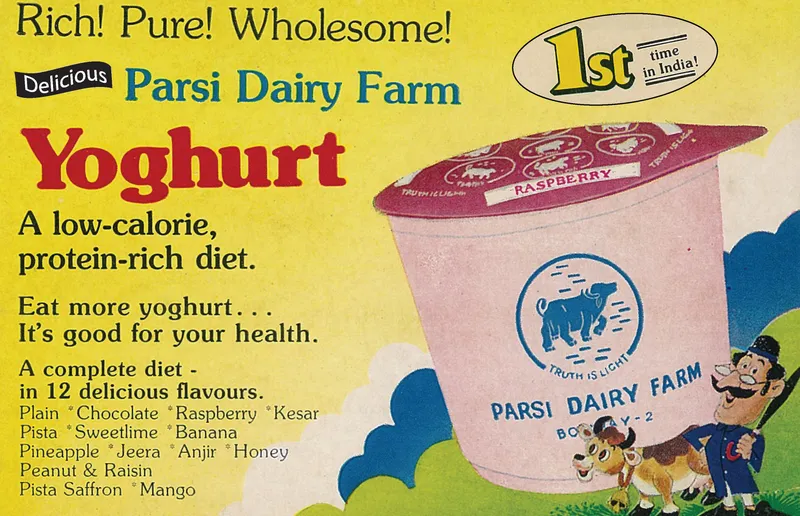
Poster from the past: Parsi Dairy Farm was the first to introduce yoghurt in Mumbai
Tech innovation, enhanced retail experiences, ecommerce platforms, improved cold chain infrastructure and rising consumer demand are driving growth in the dairy sector.
The prominent players in the dairy space include Amul, Mother Dairy, Kwality, Heritage Foods, Hatsun Agro, Nestle India, and Vadilal.
Sarfaraz says, “(In Mumbai) there’s space for everyone and enough businesses for multiple players… Our biggest strength lies in its heritage. By staying true to our unchanging purity and traditional methods, we have earned deep customer trust and a premium image.”
Franchising is not in the cards at the moment as the brand is “too personal and too close to us,” says Sarfaraz, adding that he wants Parsi Dairy Farm to reach more homes in the next 100 years and beyond.
Edited by Swetha Kannan