



Changing the way India sleeps: Inside Peps Industries’ Rs 500 Cr mattress brand
From a modest factory acquisition in Coimbatore to 82 exclusive stores across India, Peps Industries has transformed how Indians think about rest, comfort, and well-being—turning sleep into a lifestyle priority rather than an afterthought.

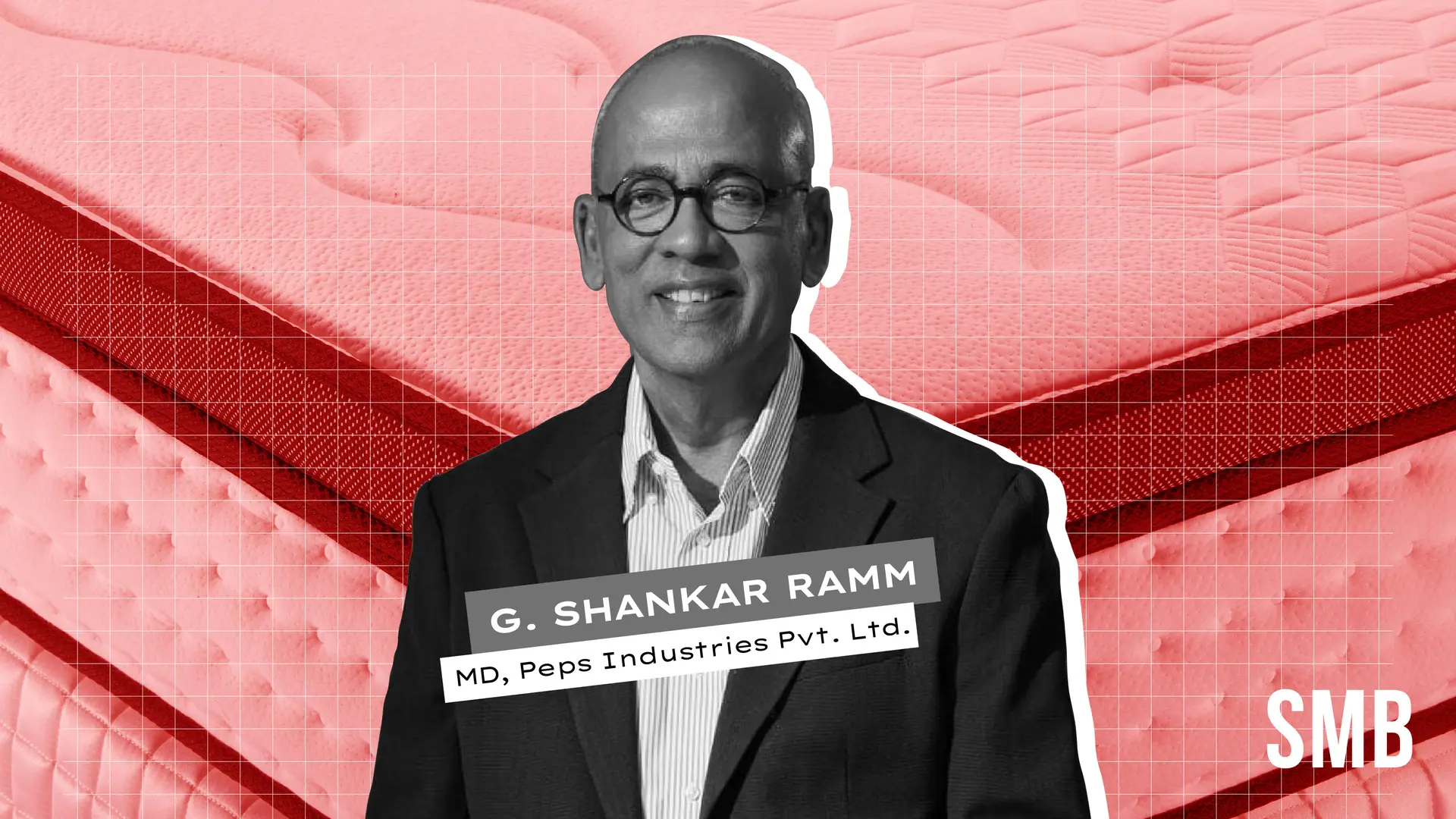

In 2006, when G. Shankar Ramm established Peps Industries, the Indian mattress market was largely dominated by coir and foam products. Only a few consumers paid much attention to sleep quality, ergonomics, or the long-term health effects of their mattresses.
Nearly two decades later, Peps Industries has emerged as one of India’s leading sleep solution brands, credited with introducing scientifically designed innerspring mattresses to Indian homes.
“Our mission was simple—to enhance the quality of Indians’ sleep,” says Ramm, the Managing Director of Peps Industries. “We wanted to move beyond the notion of a mattress as a basic household item to something that contributes to overall health and well-being.”
He continues, “People felt the difference that helped us expand our manufacturing capacity, build a strong dealer network across India, and open [our] Great Sleep Stores so more people could experience our mattresses first-hand.”
Great Sleep Stores is the official retail brand used by Peps for its company-owned outlets.
From coir to comfort
Around 2005–2006, a Coimbatore-based mattress factory equipped to produce spring mattresses was up for sale. Together with a few partners, Ramm acquired the unit and began manufacturing spring mattresses—new to the Indian market—laying the foundation for Peps Industries.
In 2005, a long-term partnership with Restonic USA—one of America’s oldest bedding brands—further strengthened Peps’ capabilities by bringing global innerspring technologies, zonal support, and enhanced spinal alignment to India.
Over the years, the company built a vertically integrated manufacturing ecosystem, controlling every process—from wire drawing to final packaging. “This allowed us to maintain consistent quality and respond quickly to consumer needs,” he tells SMBStory in a conversation.
Today, Peps holds 35–40% of India’s organised spring mattress market, manufacturing over 3 lakh mattresses annually. Its diverse portfolio—spanning over 13,000 SKUs priced between Rs 15,000 and Rs 1.8 lakh—caters to both value-conscious and premium buyers.
The Coimbatore company employs over 1,250 people and has a growing presence in Bengaluru, Kochi, Chennai, and Hyderabad across 4,000 multi-brand outlets and 82 exclusive Great Sleep Stores.
“For us, the journey has always gone beyond selling mattresses. It’s about health, well-being, and living fully awake. Every design is research-driven and ergonomically crafted to help people wake up refreshed,” Ramm says.
Innovation at the core
Innovation has been central to Peps’ journey, having introduced several firsts in India’s mattress market, which is projected to reach $4 billion by 2033 (IMARC report). The company introduced a memory foam–backed Spine Guard mattress, designed for back support, and Organica, which it claims is India’s first 100% comfort organic mattress made with natural latex and organic cotton.
He adds, “Our latest collection, Italiano, brings Italian-style comfort and design exclusively to our Great Sleep Stores. Every product we launch takes us closer to our mission—helping customers wake up refreshed and ready to take on the day.”

How this Rs 345 Cr Bengaluru business became one of India's largest spring mattress brands
Sustainability and material science
Peps’ innovation also extends to sustainability. “Durability is our first sustainability measure. Longer-lasting mattresses mean less waste,” Ramm explains. The company is steadily increasing the use of biodegradable and recyclable materials, investing in energy-efficient processes, and responsible sourcing.
While smart and IoT-based mattresses are part of its future roadmap, Peps remains focused on ergonomics, material innovation, and long-term comfort. “Technology will have its place,” Ramm notes, “but real value lies in health, comfort, and longevity.”
Adapting to India’s evolving sleep culture
For decades, Indian consumers associated firm bedding with good health. Peps helped shift that perception. “We educated people that true comfort and spinal health come from proper alignment and breathability.”
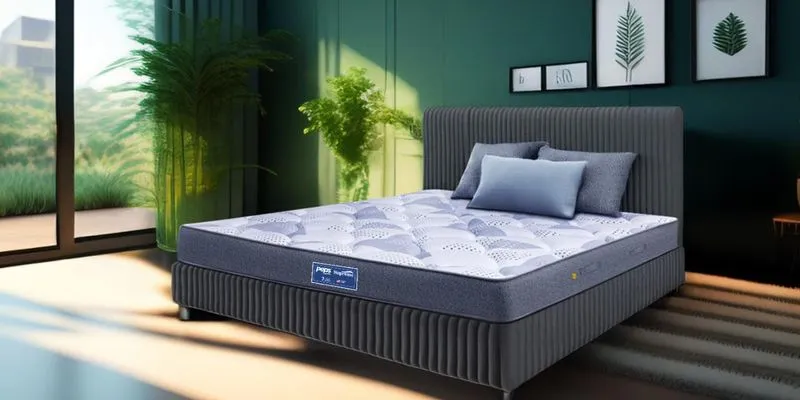
The brand developed climate-suited foams and pocketed spring systems to improve ventilation, while its Organica line catered to eco-conscious and hypoallergenic buyers.
Post the pandemic, Indian consumers have become more health-conscious and digitally savvy. “Younger generations now see a mattress as a health investment. They research online, compare features, and look for brands that deliver both comfort and credibility,” Ramm explains.
In response, Peps strengthened its omnichannel strategy, integrating its ecommerce platforms with its retail network. “Mattresses are tactile products—you have to experience them. But most consumers start online, so we’re connecting both worlds,” he adds. Peps aims to grow online sales to 40% while doubling its retail footprint in the coming years.
Building for Bharat
While urban markets remain strong, Tier II and III cities are at the heart of Peps’ next growth phase. Rising incomes and lifestyle aspirations from Bharat are driving growing demand for premium sleep products.
“We run local campaigns in regional languages and ensure both value-driven and luxury ranges are accessible. These towns are long-term growth drivers for us,” says Ramm.
Peps caters to every segment—from entry-level Bonnell spring models to premium hybrid ranges. “Affordability isn’t just about price; it’s about long-term value. Because we control the entire manufacturing process, we can offer quality without compromise,” Ramm emphasises.
Looking ahead
In FY25, Peps grew at a CAGR of 25–33%, crossing Rs 500 crore in revenue, with over Rs 400 crore coming from mattresses, and the rest from accessories such as pillows, sheets, and sofas.
The company aims for 20–25% annual growth and expects to reach Rs 1,000 crore in the next five years, driven by innovation, sustainability, and nationwide expansion.
“For now, our focus remains on India. The domestic market still offers immense potential. The next decade will redefine how India views sleep, with wellness, sustainability, and innovation leading the way. I want Peps to lead that change,” Ramm concludes.
Edited by Suman Singh