



Planet Herbs combines Ayurveda and science to build a consumer-centric brand
The company says its strength lies in end-to-end integration from raw material sourcing to R&D and manufacturing.

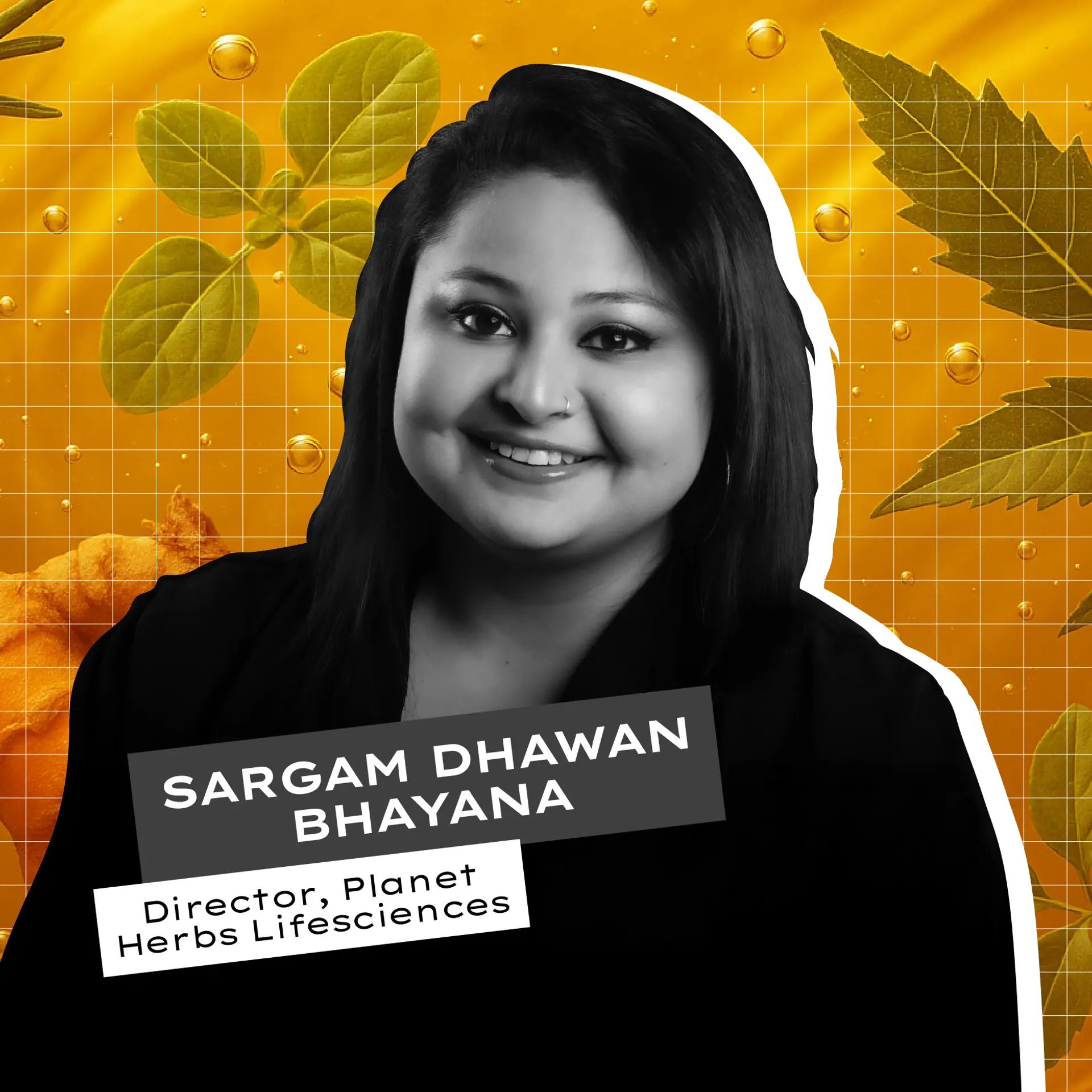

In 2021, Sargam Dhawan Bhayana joined Planet Herbs Lifesciences as Director, initiating a strategic shift for the Dehradun-based herbal and nutraceutical company.
Founded in 2005 by her grandfather, VK Dhawan, Planet Herbs had spent over two decades as a contract manufacturer, producing Ayurvedic formulations such as tablets, capsules, syrups, gels, and oils for pharmaceutical giants including Sun Pharma and Cipla.
Sargam decided to take the company a step further.
“The company had always been strong on formulations and quality, but we were behind the curtain, supporting big brands. It was time to step forward and build our own identity,” recalls Sargam.
Building a hybrid model
Today, Planet Herbs operates a hybrid model, catering to both consumers and pharmaceutical companies. Its products are listed on Amazon, Flipkart, NetMeds, and 1mg, with onboarding on Blinkit and Zepto underway. Planet Herbs’ products are also stocked offline in Guardian and Apollo pharmacies.
“Accessibility was crucial. People should be able to find us whether they are ordering online at midnight or walking into their neighbourhood pharmacy,” says Sargam.
This approach has already yielded results. In the last year, Planet Herbs added about seven lakh new customers, with a 35% online return rate. Its prices range between Rs 130 and Rs 550, making the portfolio accessible.
From contract manufacturing to consumer brand
For Planet Herb, a pivotal transformation came in 2024 when it launched its direct-to-consumer (D2C) platform and unveiled its own line of products.

Synotiz Pain Relief Oil
The initial portfolio featured Synotiz Pain Relief Oil (for easing joint and muscular pain), Imove tablets (to improve mobility and reduce stiffness), Ostoflex tablets (to support bone and joint health), and Hepsadex tablets (for liver health).
“Those four products were symbolic; they carried the experience of two decades of R&D but were presented directly to the consumer for the first time. It was a moment of truth for us,” Sargam reflects.
The launch drew over two lakh online buyers within a year, aided by the company’s first television campaigns. Flagship product Synotiz Pain Relief Oil quickly gained traction.
“Synotiz was our first attempt to combine the depth of Ayurveda with modern anti-inflammatory science. We focused on designing a formula that was fast-absorbing, non-sticky, and effective for chronic and lifestyle-related pain. The challenge was creating products that people could trust and integrate into their daily routines,” she explains.
Today, Planet Herbs has expanded to 28 products, spanning joint care, heart health, gynaecology, diabetes, hair care, and general wellness. Newer launches include C-Drops and medicinal oils, with five more products, including a blood-purifying syrup, planned by the end of 2025.

Start fresh with Ayurveda: Simple lifestyle changes for a balanced new year
Vertical integration and manufacturing excellence
Planet Herbs’ strength lies in end-to-end integration from raw material sourcing to R&D and manufacturing. Its Dehradun facility, supported by a greenhouse and partnerships with local farmers, ensures an ethical and traceable supply.
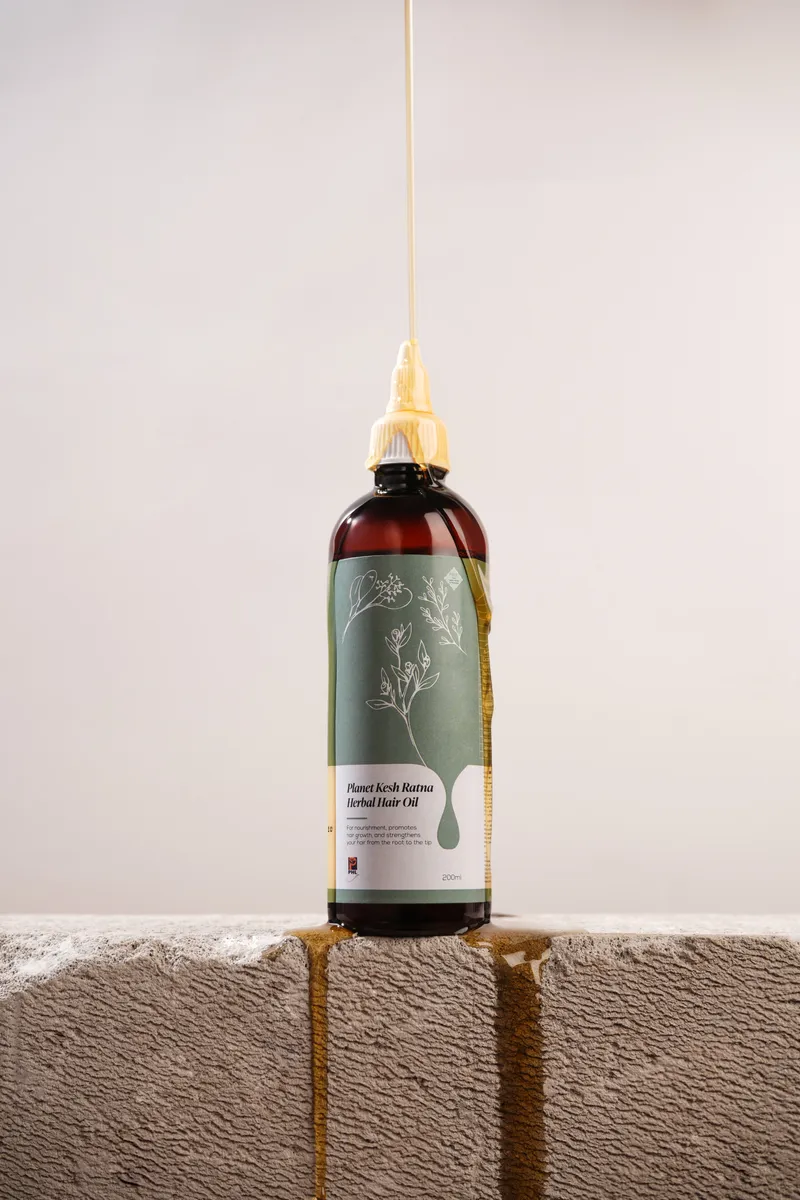
Herbal Hair Oil
“We wanted to make sure that every ingredient in our products could be traced back to a source we trust. Having our own farmland and farmer partnerships makes that possible,” says Sargam.
The R&D team, led by Dr Vinod Tiwari, an Ayurveda expert with 35 years of experience, includes 10 researchers across multiple disciplines. “Every formulation undergoes trials, clinical assessment, and regulatory scrutiny. We don’t just launch products, we validate them,” Sargam stresses.
The company also holds certifications from WHO, GMP, and FSSAI, and has secured approvals from the Sri Lankan and UAE health ministries. Exports now account for 30% of revenues.
“Credibility is global. You cannot think of Ayurveda only in domestic terms anymore—it has to meet international standards,” Sargam adds.
The challenges and competition
Taking charge of a 20-year-old Ayurvedic company at just 24 was no small feat for Dhawan.
“Many colleagues had decades of experience, more than my age. I had to earn credibility through outcomes, not authority,” she recalls.
She also faced gender bias and scepticism. “I realised early that in this industry, respect isn’t inherited, it is earned through knowledge, consistency, and results,” she says. Her focus on data-driven decision-making, transparency, and empathy gradually built trust.
Today, 89 of the company’s 97 employees are women, a deliberate push towards inclusivity. “A wellness brand cannot thrive if its own culture is not inclusive and empowering. Our workforce reflects that belief,” she notes.
Smart distribution and quick delivery: How MSMEs are preparing for the festive season
Planet Herbs operates in a crowded market, competing with giants like Himalaya Wellness, Dabur, Baidyanath, and Zandu, as well as newer challengers such as Patanjali, Organic India, and Amway Nutrilite.
“We respect these players, but our differentiation lies in evidence-based formulations, the integration of modern science with traditional wisdom, and solutions that target chronic issues instead of just offering generic wellness,” Sargam explains.
Future outlook
Planet Herbs has already entered the UAE and Sri Lanka and is pursuing approvals in the US and Europe. Expansion plans include new categories like blood purifiers, sexual wellness, and kidney care.
“Our goal is to make Ayurveda global without diluting its principles. Every product, every partnership is guided by this ethos,” says Sargam.
Over the next three years, the company aims to scale preventive health offerings, enter at least five new international markets, and launch ten validated products. “We want to build a brand that people trust for wellness, not just products, where tradition and science coexist, and accessibility meets efficacy,” she concludes.
Edited by Affirunisa Kankudti