



Six marketplaces empowering artisans across India
Ecommerce is transforming India’s craft ecosystem, enabling artisans to reach a wider audience, retain fair earnings, and preserve cultural traditions.

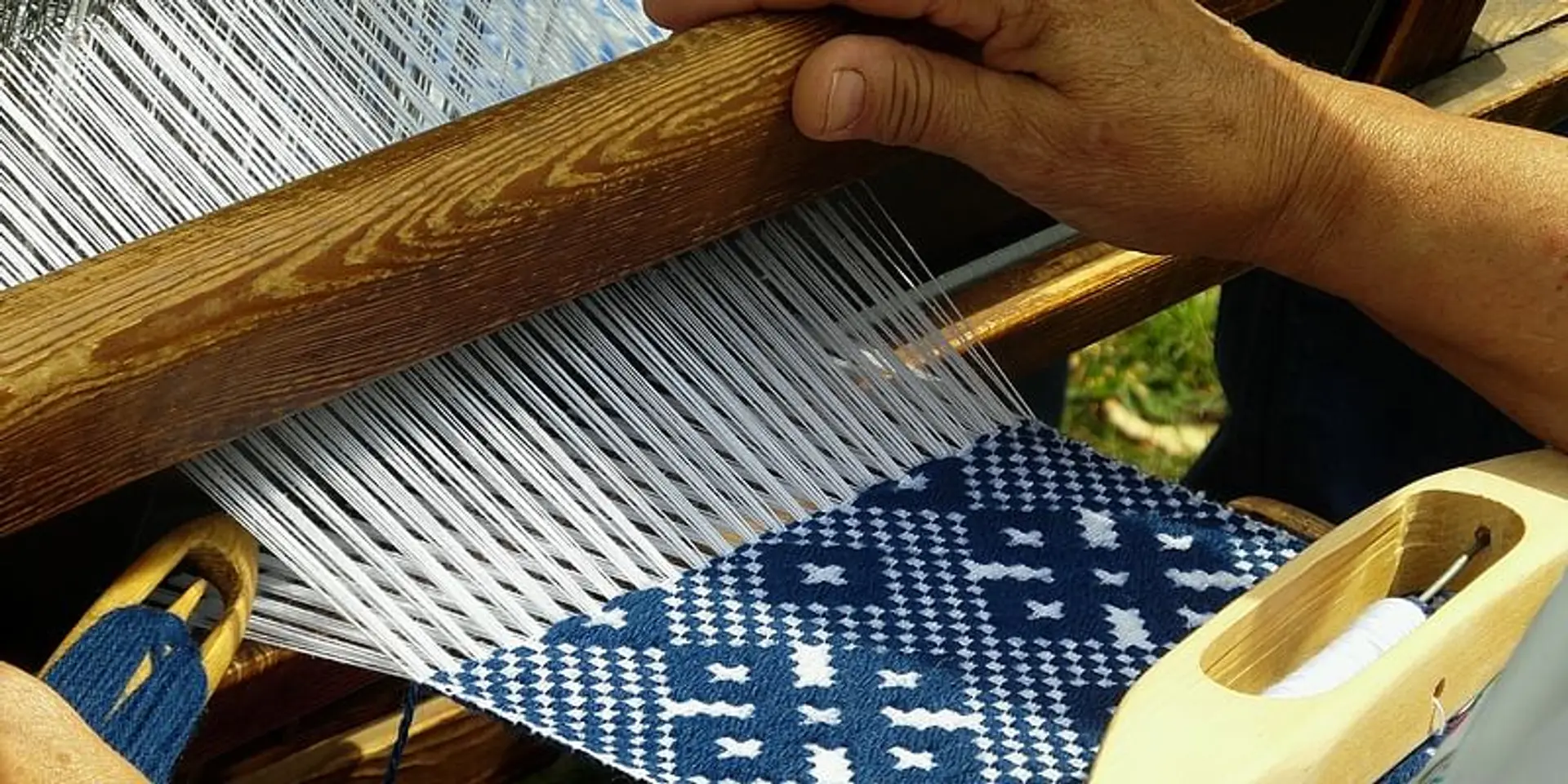

India’s handicrafts and textiles reflect centuries of artistry and cultural identity but artisans often face challenges such as limited market access and difficulties in scaling production. Digital platforms are aiming to solve these by connecting artisans with buyers, thus ensuring fair income, wider reach, and preservation of traditions.
By integrating technology with storytelling, these marketplaces educate buyers about the cultural significance of products and provide artisans with training, inventory management, and logistics support.
These six brands showcase how ecommerce is transforming the ecosystem by making crafts accessible in modern markets and contributing to the preservation and revival of traditional crafts.
iTokri
Founded in 2012 by Nitin and Jia Pamnani and headquartered in Gwalior, Madhya Pradesh, is an online marketplace that connects over 500 artisan families and producer groups across India with global consumers.
The platform sources handmade products such as sarees, dupattas, jewellery, home décor, and textiles from regional craft clusters. They include Punjab’s Phulkari, Gujarat’s Bandhani, Andhra’s Ikat, and Odisha’s Pattachitra. Artisans send their products to iTokri’s warehouse, where the company manages inventory, listings, and fulfillment, enabling craftspeople to focus on production.
iTokri has more than 1 lakh product listings on its platform. The platform integrates detailed craft documentation, storytelling, and social media outreach to link rural artisans with customers, while its logistics and digital systems ensure reliable delivery and support for sustainable traditional crafts.
AuthIndia
Founded in 2015 by Kush Verma along with Raj Kamal, Saurabh Sharma, and Prashant Sharma, is a Lucknow-based online platform (with operations in Noida) that connects Indian artisans and craftspeople directly with buyers through ecommerce.
The platform enables artisans, weavers, and traditional craft makers to set up free online stores, list handmade products such as textiles, jewellery, home décor, garments, and folk art, and reach a wider audience without intermediaries, commissions, or mandatory GST.
AuthIndia combines digital tools such as marketing support, SEO, and online showcases with community-driven initiatives such as workshops and cultural documentation, helping artisans preserve regional art forms while expanding their access to national and global markets.
Over 15,000 craft items are listed on the platform. In 2024, AuthIndia reported more than 30,000 daily visitors.
Craftsvilla
—founded in 2011 by Manoj and Monica Gupta—is an Indian ecommerce platform connecting over 25,000 artisans, designers, and retailers with customers.
Headquartered in Mumbai, the platform aggregates ethnic apparel, footwear, fashion accessories, beauty products, and handcrafted home items. It focuses on traditional textiles such as Banarasi, Kanjeevaram, Pochampally Ikat, Bhagalpuri silk, and other textile varieties such as Phanek, Pachra, and Kullu shawls.
Artisans can register online or through physical studios, list products without upfront fees, and sell directly to consumers. Craftsvilla charges a commission on sales. The platform provides digital tools, quality control, and cultural documentation to support artisans, preserve regional craftsmanship, and expand the reach of India’s heritage products globally.
Gaatha
Founded in 2009 by Sumiran Pandey, Shivani Dhar, and Himanshu Khar, Ahmedabad-headquartered is an online platform dedicated to preserving and promoting Indian heritage crafts and textiles.
While it began as a blog documenting artisan stories, it evolved into a marketplace offering 700–800 handcrafted products, including sarees, apparel, home décor, and stationery, sourced directly from artisans across India. The platform highlights over 50 traditional crafting techniques and materials such as wood, leather, and bamboo, providing detailed information on craft histories and processes to educate customers.
The platform operates on a revenue-sharing model; about 75% of sales go to artisans.
Gaatha combines ecommerce and digital storytelling to support sustainable rural economies, connect makers with a global audience, and preserve cultural legacy.
GoCoop
, founded by Siva Devireddy, is an online marketplace based in Bengaluru. It was launched in 2014 to connect rural artisans and weavers directly with consumers and businesses in India and globally.
The platform supports over 80,000 artisans across 350 cooperatives in 70 handloom clusters, providing training, merchandising, cataloging, order fulfillment, and logistics support, along with ERP-based supply chain management.

GoCoop enables both B2B and B2C commerce, including offline engagement through events such as GoSwadeshi exhibitions. It helps artisans maintain quality and scale production.
By bypassing intermediaries and combining digital tools with direct market access, the platform increases the income and work opportunities for artisans. It delivers over 1.5 lakh orders worldwide.
Mittihub
Founded in 2021 by Megha Joshi and Abhinav Agarwal in Jaipur, Rajasthan, is focused on preserving traditional Indian terracotta craftsmanship.
Mittihub works with around 50 artisans from Rajasthan, Haryana, and Uttar Pradesh, training and upskilling them in pottery techniques to produce handmade cookware, decor, planters, tableware, and utensils.
The company operates through its own ecommerce platform and marketplaces such as Amazon. It also serves B2B clients including interior designers, resorts, and corporates for customised products. Roughly 30% of its revenue comes from digital sales, and 60% from B2B partnerships.
By combining artisan collaboration, design innovation, and sustainable production, Mittihub provides fair earnings to artisans, promotes chemical-free terracotta alternatives, and brings traditional crafts to modern homes.
Edited by Swetha Kannan