



15 years on, Tamil Nadu leads in factory count; UP records sharpest rise
Tamil Nadu leads as India’s factory capital with over 40,000 units, but Uttar Pradesh is the breakout star, adding nearly 3,000 factories in a year.

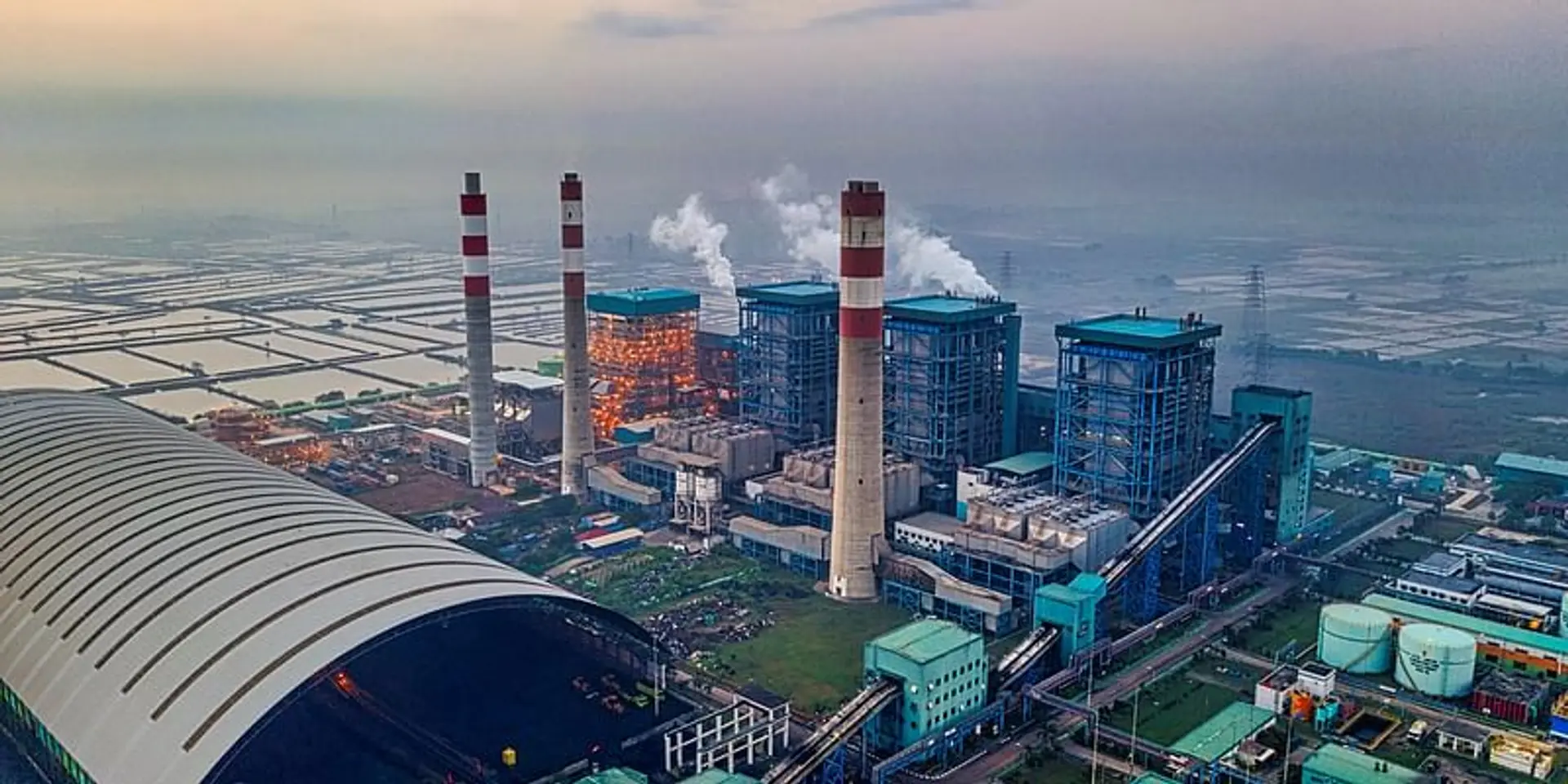

Fifteen years after the Annual Survey of Industries (ASI) first began tracking India’s top industrial states, Tamil Nadu continues to hold its crown as the country’s factory capital, while Uttar Pradesh has emerged as the fastest riser in the league table.
According to the latest ASI data, released by the Ministry of Statistics and Programme Implementation, Tamil Nadu housed 40,121 factories in FY2023–24, up slightly from 39,676 in the previous fiscal.
Gujarat follows with 33,311 factories, marking a healthy rise from 31,080 in FY2022–23, and Maharashtra retained third position with 26,539 factories, growing from 26,446 the year before.
The sharpest rise was recorded by Uttar Pradesh, which added close to 3,000 factories in a single year—growing from 19,168 in FY2022–23, to 22,141 factories in FY2023–24. This marks a remarkable jump for the northern state, which ranked fifth 15 years ago, with just 13,756 factories.
Other states in the top 10 include Andhra Pradesh (16,011), Karnataka (14,984), Telangana (13,446), Punjab (13,166), Rajasthan (10,868), and Haryana (10,389). Notably, Kerala and West Bengal—a part of the top 10 in 2010—have been replaced by Haryana and Telangana.
Uttar Pradesh’s surge, however, stands out. According to the Ministry of MSMEs, the state now has over 7.3 million registered MSMEs, second only to Maharashtra (8.9 million), and ahead of Tamil Nadu (5.4 million).
Media reports suggest a 60.8% rise in MSME-linked manufacturing employment in UP last year.
At the same time, the churn in the top 10 highlights how industrial growth is no longer confined to traditional hubs—new entrants like Telangana and Haryana indicate emerging opportunities for smaller businesses in these regions.
As India eyes a $5-trillion economy, the evolving factory landscape offers a roadmap for MSMEs: to scale faster, plug into industrial clusters, and benefit from states betting big on manufacturing-led growth.
Edited by Affirunisa Kankudti