



The quiet rise of women MSME owners in Tier II and III India
The momentum among women-led enterprises is real. When backed by on-ground handholding, such schemes actually translate into real businesses, not just paper intentions.

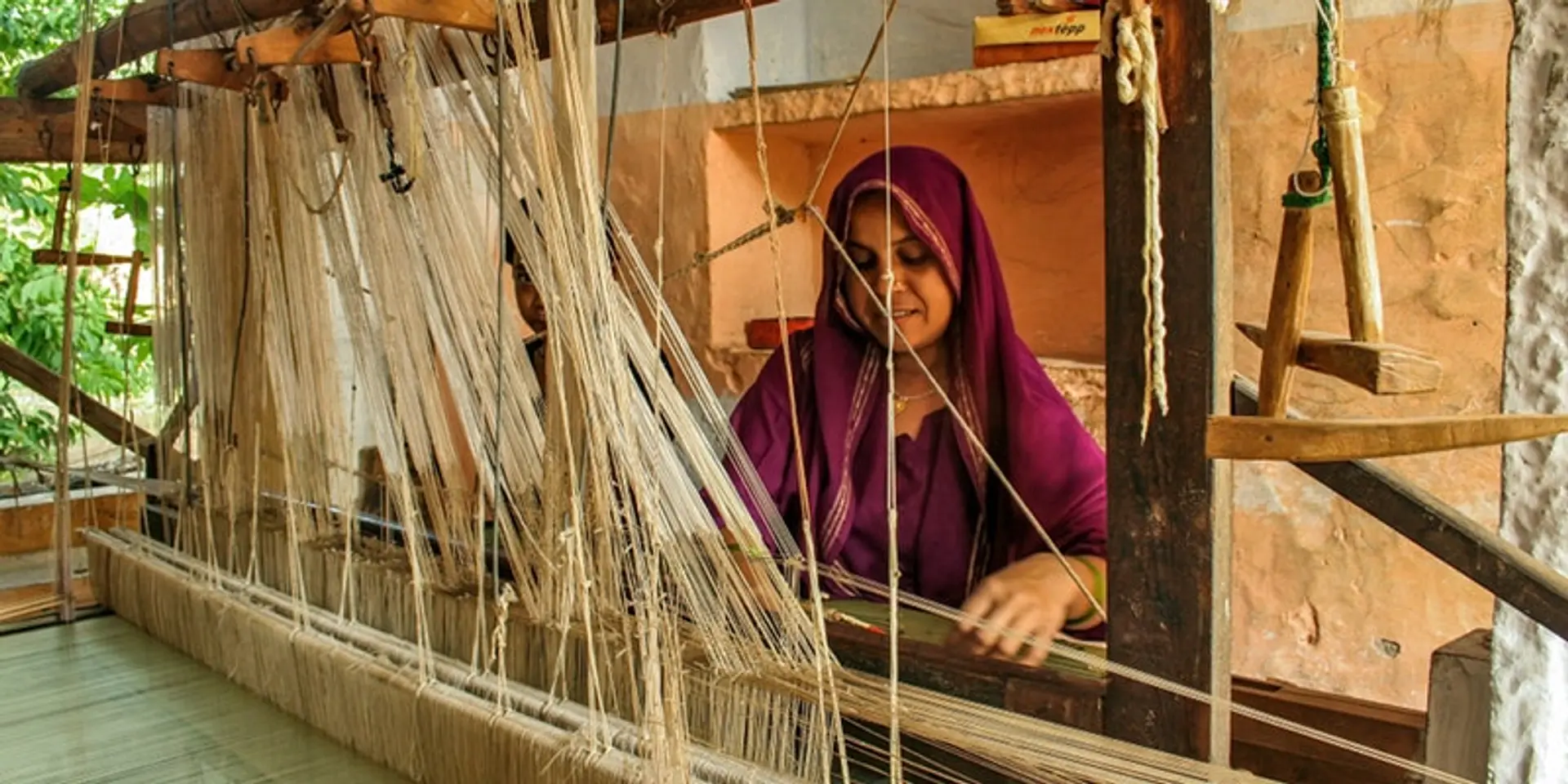

In the dusty lanes of Aurangabad, a woman named Leela (name changed) wakes up at 5 am—not to run a household, which she does effortlessly, but to manage her light engineering workshop before the machines begin humming. She isn’t just a businesswoman; she is an outlier, a builder, and a quiet force reshaping the entrepreneurial landscape in India’s Tier II and III cities.
As a credit professional working closely with MSMEs for nearly two decades, I’ve come across thousands of business stories. But the ones that have most profoundly altered my perspective are those women who have stepped into the entrepreneurial world, not always by choice, but often out of necessity, resilience, or quiet ambition. Their stories don’t make headlines. But together, they are steadily rewriting India’s enterprise narrative.
When we first met Leela, she had just taken over her husband’s modest fabrication business. Her first concern wasn’t the profit margins; it was retaining the three workers who had stood by her family. She applied for formal credit, her first ever, with no credit history, minimal paperwork, but a clear sense of responsibility. Over the next year, she doubled her output, retained her staff, and began training her daughter on the lathe machine. That pattern of quiet determination, responsible scaling, and inclusive employment has become increasingly familiar in the towns we work in.
Leela is not an outlier anymore. In fact, she is part of a growing and important trend. In our lending data, we’ve seen loans disbursed to women-led MSMEs nearly double over the past 18 months, from just over 5,700 to nearly 10,000. Many of these women come from non-metro cities Such as Nashik, Indore, Patna, Surat, Udaipur, and districts in Odisha and Jharkhand. And they are not confined to stitching units or food stalls. Some are manufacturing auto components, running chemical packaging units, or managing logistics operations.
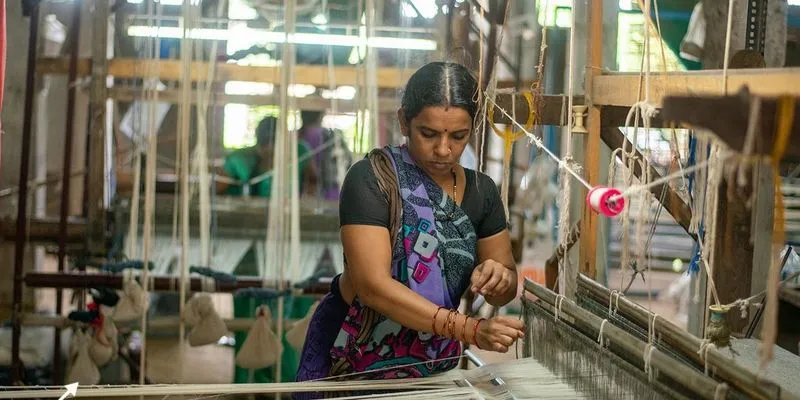
Part of what makes this rise possible is a silent shift in how credit is evaluated. For decades, women entrepreneurs, especially in smaller towns, were excluded from formal finance due to a lack of documentation. No balance sheet, no PAN history, no collateral, no loan. But now, thanks to digital footprints such as bank transactions, GST filings, and utility bill patterns, lenders can construct cash-flow-based assessments. This evolution from static paperwork to dynamic behaviour data has unlocked access for thousands of previously invisible entrepreneurs.
The policy has played a role too. Udyam registration, for instance, has registered over 3.3 crore MSMEs, up from just a few lakhs in 2020. The momentum among women-led enterprises is real. The recent Rs 20 lakh term loan scheme for first-time women entrepreneurs is another meaningful nudge. When backed by on-ground handholding, such schemes actually translate into real businesses, not just paper intentions.
But beyond digital and policy levers, what’s truly propelling this movement is a deeper force: purpose. Most women we support don’t walk in with pitch decks. Their first “business plan” is often a story of responsibility, of loss, of the need to provide.
Anita (name changed), a widow from rural Gujarat, used her first loan to buy a second-hand packaging machine. That machine didn’t just help her regain control over her life, it created jobs for six other women in her neighbourhood. Women-led enterprises often turn into small ecosystems of dignity, income, and solidarity.
We’ve also seen an impressive commitment to repayment. Women borrowers tend to be cautious with how much they borrow, but extremely consistent in how they repay. That credit discipline builds trust, and once trust is built, the second loan comes faster. And that’s when the growth really begins.
In our recent social impact evaluation, women-led MSMEs showed a 42% increase in female employment after receiving credit. It’s a quiet but powerful multiplier. These women don’t just run businesses; they become anchors in their communities. Many start entirely offline and are hesitant with smartphones. But within months, they began using UPI, managing vendor payments via WhatsApp, filing GST returns, and discussing margin management. Slowly but surely, they transition into the formal economy—not just on paper, but in mindset.
That said, it’s important not to romanticise the progress. The gaps are still wide. Women-led MSMEs make up only about 20% of the total MSME base. Venture capital support is almost non-existent, with just 0.3% of all VC funding going to women-led startups in 2021. Many of the women we meet still face cultural friction, have no assets in their name or struggle with seasonal cash flows. But they persist. And increasingly, they grow.
What gives me real hope is what’s happening after the first loan. Many women are now coming back for a second or even third round of capital, not for survival, but for scale. They’re buying better machinery, hiring more staff, or opening a second unit. Some are even mentoring other first-time women entrepreneurs in their districts. That kind of quiet leadership is the kind that endures.
On a recent trip to Bhilai, I met a woman running a profitable welding unit with 11 male employees reporting to her. I asked her what had changed in the last two years. She said, without blinking: “Pehle karza dene se sab darte the. Ab main bolti hoon, khud ki guarantee hoon.” (Earlier, everyone feared lending to me. Now I tell them, I am my own guarantee.)
That one sentence sums up what thousands of women across India are proving every single day. Their rise is not loud. But it is steady, dignified, and undeniable. And it’s time we all took notice.
(Irem Sayeed is Chief Credit Officer at UGRO Capital Ltd.)
Edited by Kanishk Singh