



The next chapter at Tilaknagar Industries: Why a brandy giant is betting big on luxury whisky
After decades of dominance in brandy, Tilaknagar Industries is crafting a new identity, one that combines legacy, luxury, and a sharper focus on premiumisation.

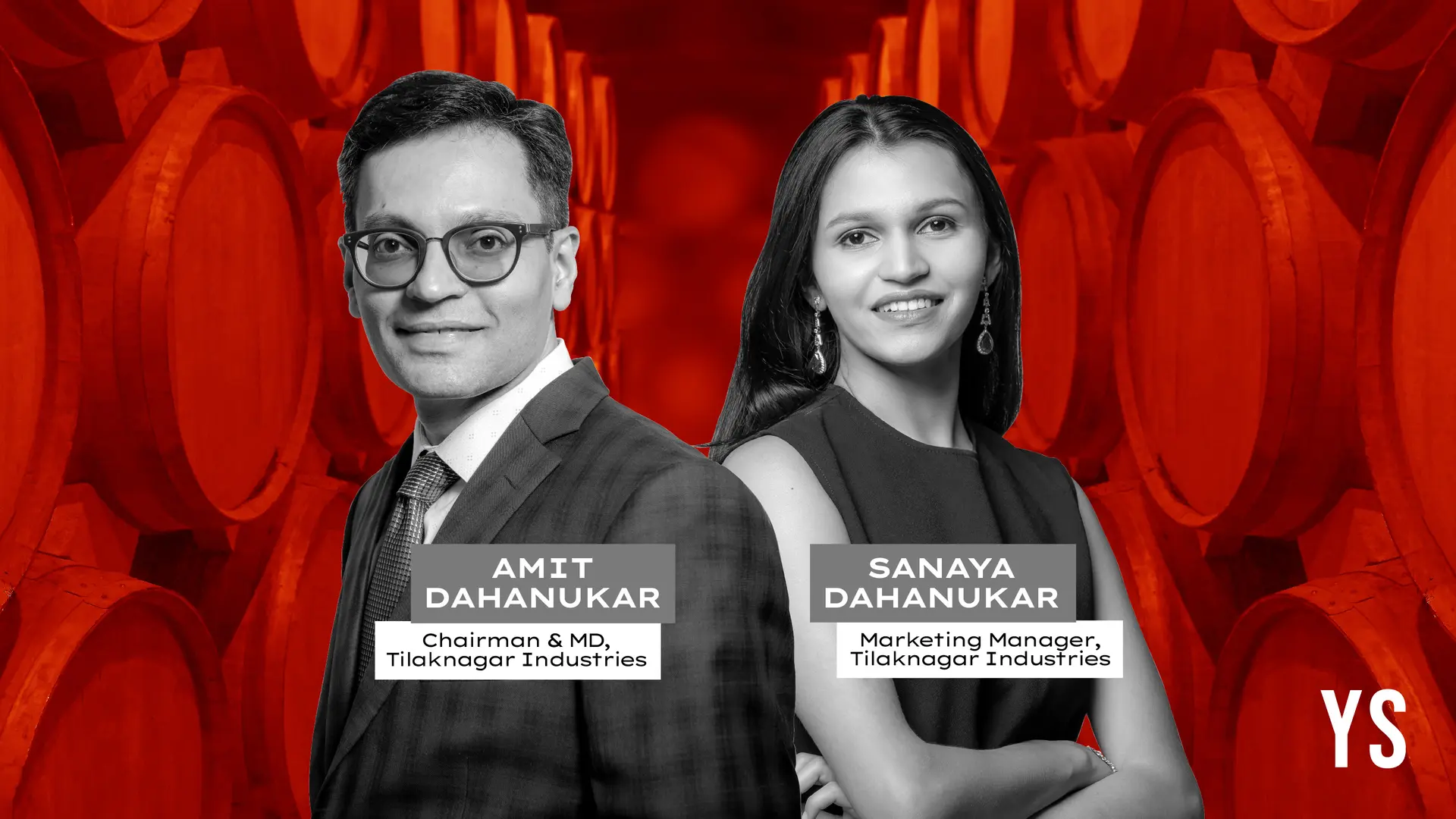

For decades, Tilaknagar Industries (TI) has been synonymous with brandy in India.
Founded in 1933, the company’s story began not with alcohol, but with sugar, as Maharashtra Sugar Mills. Set up during the Swadeshi movement and later inspired by Lokmanya Tilak, TI eventually evolved into one of India’s most influential alcoholic beverage companies.
“We started as a sugar manufacturer,” says Sanaya Dahanukar, Marketing Manager, Tilaknagar Industries Ltd. “Using molasses, which is a by-product of sugar manufacturing, we began to distil ethanol, and that is how we got into the alcohol space,” Dahanukar tells SMBStory.
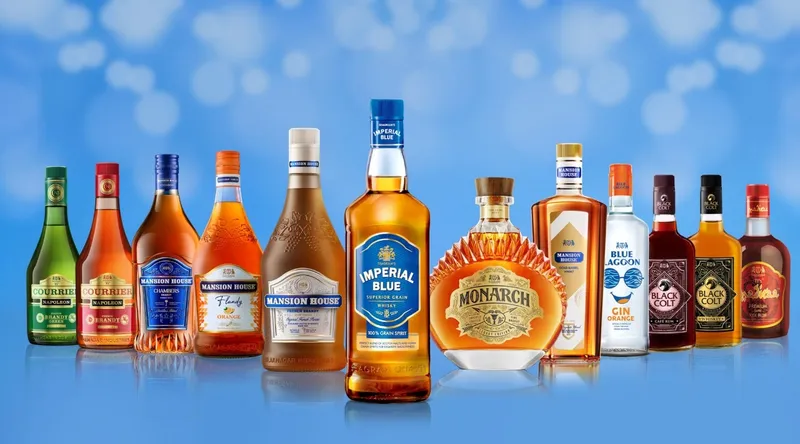
Tilaknagar Industries' portfolio
The company’s decisive shift came in the 1980s, when it entered branded spirits with Mansion House Brandy. Today, Mansion House is the largest-selling brandy in India and the second-largest worldwide, cementing TI’s reputation as a brandy-first company.
Pivoting with the times
According to the India Brandy Market Overview 2022-28, brandy is India’s second-most-consumed spirit after whisky, with a market share of more than 15%. However, its consumption remains concentrated in southern states such as Andhra Pradesh, Telangana, Karnataka and Kerala, Dahanukar says.
“Brandy has over 20% market share but a very low share of voice...People don’t really know what brandy is made of or how to consume it, especially when you compare it to whisky, which is considered very aspirational,” she explains.

Amit Dahanukar, CMD, Tilaknagar Industries
That insight shaped TI’s evolution over the last two decades.
The company realised that while whisky had strong price laddering across segments, brandy did not. As consumers upgraded their incomes and aspirations, many brandy drinkers migrated to whisky simply because premium brandy options were limited.
To plug that gap, TI expanded its brandy portfolio.
Courier Napoleon Brandy, launched in 1996, sits at a premium to Mansion House and has grown into the company’s second millionaire brand.
Three years ago, TI also introduced Mansion House Flandy, Asia’s first flavoured brandy, to attract younger consumers, initially in peach, cherry and orange, later adding green apple and lemon.
The real inflection point, however, came with Monarch Legacy Edition, the company’s first luxury brand under what would later become House of TI. A 100% pure grape brandy made without added neutral alcohol, Monarch was designed to challenge the perception that premium brandy could only come from Cognac.
“We launched Monarch to show that Indian brandy can truly stand against global luxury spirits,” says Dahanukar, noting that the blend took over a year to perfect and has already won three international awards within its first year.
The luxury turn
These learnings directly shaped TI’s next move. In 2025, the company formally established House of TI as its luxury vertical, housing Monarch Legacy Edition and, more recently, Seven Islands Pure Malt Whisky.
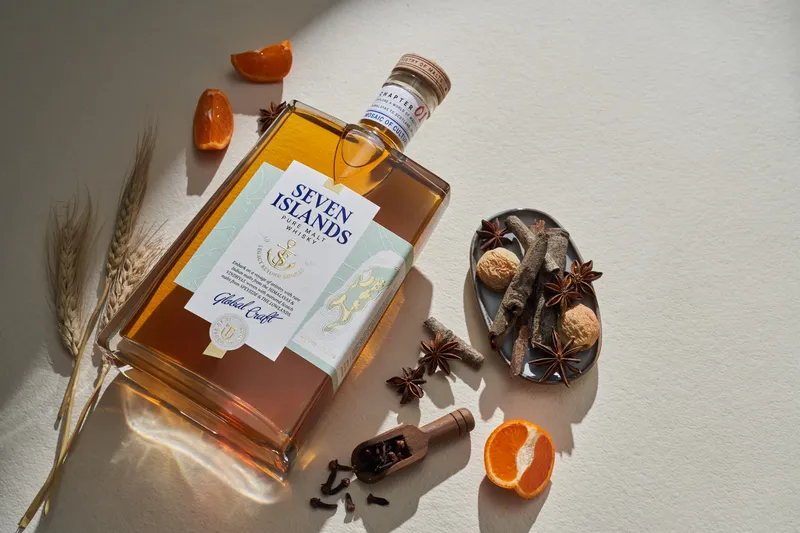
Seven Islands Pure Malt Whisky from House of TI

Dosa with a side of AI: The Filter Coffee is brewing a Rs 100 Cr premium ‘darshini’ revolution
“When we decided to build a luxury portfolio under House of TI, the idea was that anything we launch should be distinct and world-class,” Dahanukar says. “Monarch taught us that the liquid has to be absolutely right, and that education plays a huge role in how consumers engage with a new style.”
Seven Islands marks TI’s long-awaited and serious entry into whisky, India’s most aspirational and largest spirit category, with over 60% of market volumes.
Named after the seven islands that once formed Bombay, the whisky draws inspiration from the city’s history of convergence and reinvention. It is an Indo-Scottish pure malt, blending four single malts — two from India and two from Scotland’s Speyside and Lowlands — aged up to eight years in ex-bourbon American oak and ex-wine French oak casks.
“Pure malts combine malts from two or more regions, which allows for greater depth and layered complexity,” Dahanukar explains, adding that Seven Islands was developed over nearly a year of trials and blind tastings against both Indian and international whiskies.
Launched in Maharashtra at Rs 5,200 a bottle, the brand is expected to expand to two to three more domestic markets this financial year and reach near pan-India distribution by the next.
“Monarch helped us set the tone for what House of TI should stand for. With Seven Islands, we are taking the next step in shaping a luxury portfolio…” she adds.
Strategic M&As
The luxury push is unfolding alongside one of the most significant transactions in the Indian alcobev space.
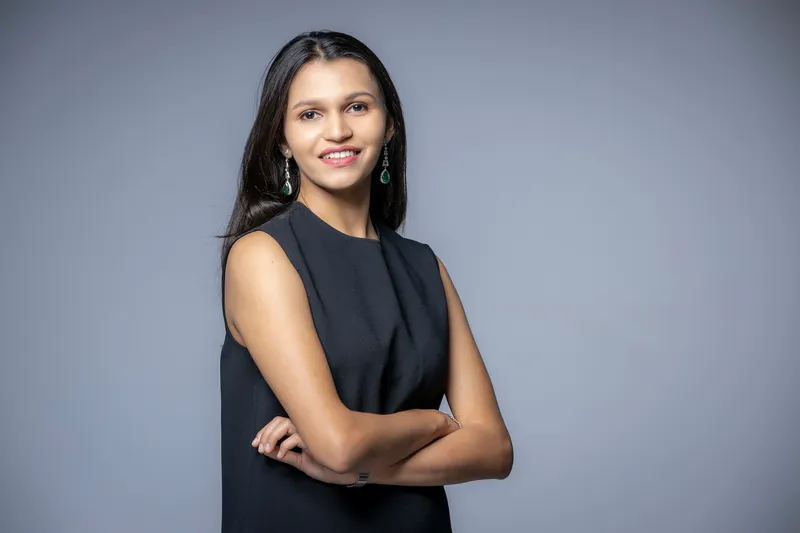
Sanaya Dahanukar, Marketing Manager, Tilaknagar Industries
TI recently announced the acquisition of the Imperial Blue whisky portfolio from Pernod Ricard — one of the largest deals in the sector.
The move transforms TI from a southern-dominated brandy player into a pan-India spirits company. With Imperial Blue, TI’s dependence on southern states is expected to fall from around 90% to 50%, while brandy’s share of its portfolio will reduce from nearly 90% to about 30%.
“Imperial Blue has pan-India distribution and very strong top-of-mind recall,” says Dahanukar. “It gives us the backbone to build a broader portfolio across categories and segments.”
House of TI is not limited to in-house spirits. The company has also invested in craft players aligned with premiumisation trends — a 36% stake in Bartisans, known for artisanal cocktail mixers, and a 21% stake in Spaceman Spirits Lab, the makers of Samsara Gin, Sitara Rum and Amara Vodka.
Together, these brands give TI a presence across gin, rum, vodka, whisky and brandy in the premium segment.
Number game
Financially, the legacy business continues to provide stability. “Our premium vertical is still in its early days, and we’re looking to scale it up, building on the strong distribution and reach we’ve established through brandy and Imperial Blue,” says Amit Dahanukar, Chairman and Managing Director at TI.
In FY25, Amit reveals, TI reported net revenue of Rs 1,434 crore, a 3% increase from last year, with 91% of volumes still coming from brandy itself.
According to IWSR (International Wine and Spirits Record), the company held a 12.3% share of India’s brandy market in 2024. Capacity expansion is also underway, with Rs 59 crore invested to scale the Prag Distillery in Andhra Pradesh from six lakh to 36 lakh cases annually.
Yet the long-term ambition is clear.
“Over the next decade, we see TI as a powerhouse of spirits across categories and segments,” Dahanukar says. “We’ve established leadership in brandy, and now, with House of TI, we’re building a luxury portfolio that reflects where Indian consumers, and the company, are headed next.”
(The story was updated for clarity.)
Edited by Jyoti Narayan