



Weaving empowerment: How digital tools are transforming women artisans in rural India
A unique partnership between Nasscom Foundation and L&T Technology Services is reshaping the entrepreneurial landscape for rural women artisans through digital and financial upskilling.

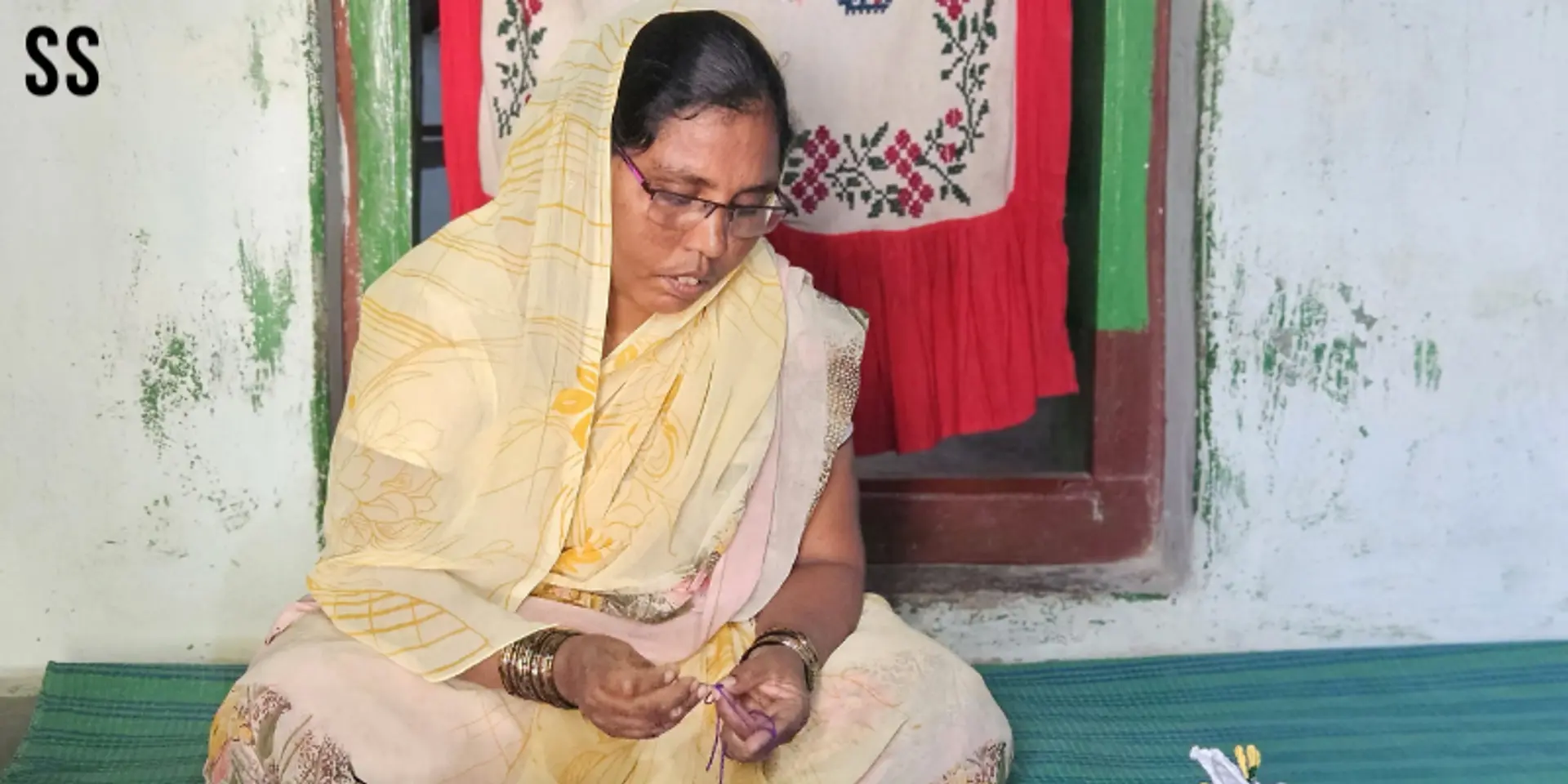

"For the first time, I wasn’t just trying to survive. I was capable of bringing change in the society." This quiet declaration by 44-year-old Rasool Bi from Nirmanvi village in Karnataka’s Raichur district captures the heartbeat of a quiet transformation underway in several districts.
A wool craftswoman by trade, Rasool Bi rebuilt her life after the loss of her husband, not just through thread and needle, but through a smartphone, YouTube tutorials, and Instagram.
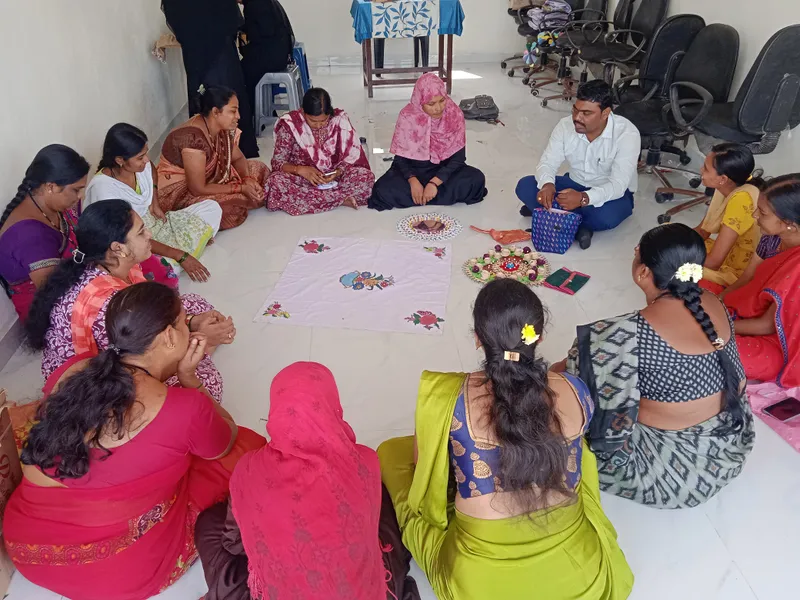
Women learning skills
Her resurgence from trauma and economic hardship was sparked by the Digital Upskilling of Rural Women Artisans Project, an initiative launched in October 2023 by Nasscom Foundation in collaboration with L&T Technology Services (LTTS). The programme, spanning the aspirational districts of Raichur (Karnataka), Dahod (Gujarat), and Virudhunagar (Tamil Nadu), has trained over 900 women artisans to date, enabling them to transition from traditional producers to digitally equipped entrepreneurs.
A tech-for-good partnership
The collaboration between Nasscom Foundation and LTTS was born from a shared intent: to use technology for inclusive growth.
“This partnership emerged from a shared commitment to using technology as a driver for sustainable development,” said Jyoti Sharma, CEO of Nasscom Foundation. “While LTTS brought engineering expertise and a CSR focus, we brought grassroots experience in digital skilling and enterprise development. Together, we’re addressing deep-rooted exclusions in the digital and financial space.”
The programme was delivered in two phases: basic digital and financial literacy, followed by advanced business training and mentoring. Women like Rasool Bi learned not just to use phones, but to calculate the cost of production, explore Pinterest for design inspiration, and market on Instagram. Business record-keeping, once rare, is now practiced by 93% of participants, up from just 18%.
Another participant, Ragini, 29, from Manvi in Raichur, said the programme helped her rediscover her self-worth after fleeing an abusive marriage and mounting debt. “Seeing my first sunflower-themed crochet keychain made me feel proud again. It reminded me I had skills worth something,” she said.
Within months, she had a product portfolio, a WhatsApp Business profile, and even exhibited her work at local fairs. Her income grew from zero to Rs. 8,000–12,000 per month. “Most importantly, I now handle my own business, finances, and online orders,” Ragini said. “I never thought I’d teach others, but now I’m mentoring women in my neighborhood.”
Tech meets tradition
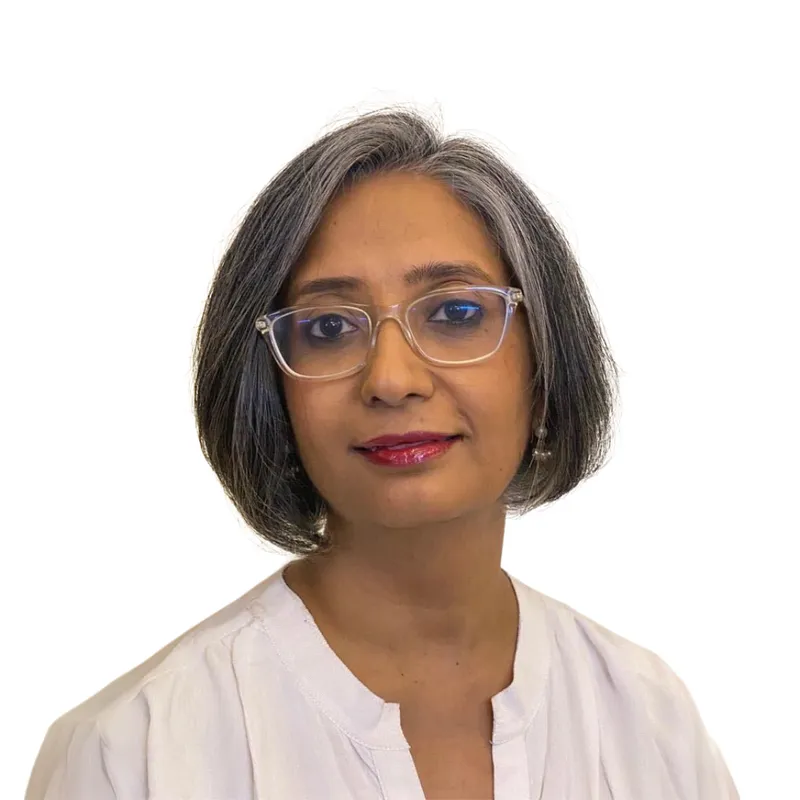
Jyoti Sharma
Far from disrupting traditional skills, the programme integrated them with technology to amplify income and recognition.
“Artisans were trained to refine their crafts while using digital tools to expand their reach,” Sharma explains.
The most common crafts included crochet, Kutchu work, saree weaving, and bamboo products, depending on the region.
Participants used Instagram and Facebook for marketing, Merabill for accounting, and platforms like Meesho and Flipkart for selling. Most women initially lacked smartphone access, which was a challenge.
“Participants were encouraged to use shared family devices, with digital literacy sessions designed to build confidence and demonstrate the value of smartphones for income generation,” Sharma said.
This helped shift perceptions within households, leading to greater acceptance and support.
Access to capital and schemes
Beyond skills, the programme tackled financing—a barrier for many women. In partnership with Rang De, 90 artisans received digital loans with flexible terms, bypassing the red tape of traditional lenders. Rang De is India’s first platform focused on providing timely and affordable credit to unbanked communities.
Additionally, over 90% of participants registered under schemes like Udyam Aadhar and PM Vishwakarma, gaining access to government benefits.
In Ragini’s case, new financial independence helped her begin clearing her family’s debt of Rs 2 lakh. Rasool Bi, who once priced her products based on guesswork, now prices fairly — and with pride. Her income has grown from Rs. 1,500–2,000 to Rs. 8,000–10,000 monthly.
Local change agents and the road ahead
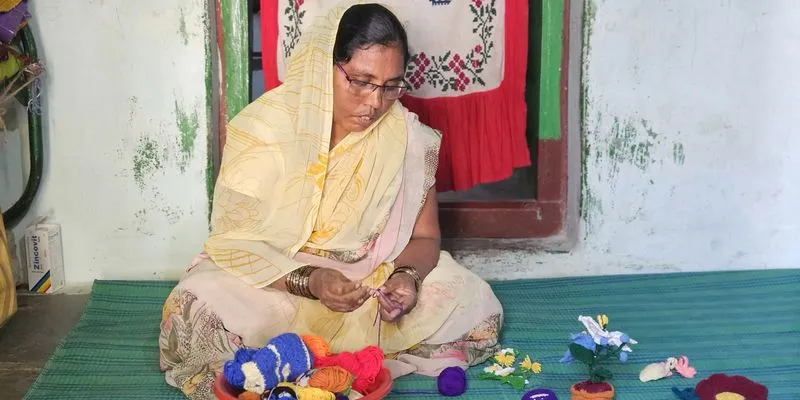
Rasool Bi
Several participants have now become community mentors or “digital ambassadors”, extending the ripple effect. Ragini aspires to build a women’s crochet collective and train 50–100 women in the next two years.
One challenge, Sharma shared, was “working with traditional communities like the Lambanis or those in Dahod, Gujarat, where mobility and tech access for women were constrained by cultural norms.” The solution lay in community-led trust-building and involving family members.
Looking forward, the Foundation aims to expand the program to other states and eventually integrate AI, blockchain, and e-commerce analytics into training. “This isn’t just about digital skills,” Sharma adds. . “It’s about restoring dignity, enabling independence, and building local leaders.
From margins to markets
The Nasscom Foundation–LTTS collaboration has shown that with the right tools, mentorship, and vision, rural women can thrive as business owners, not just beneficiaries.
“Despite many challenges, their willingness to learn and adapt to new technologies and ideas is inspiring. It has reinforced my belief that with the right support and opportunities, these women can transform not only their own lives but also their communities,” Sharma says.
As Rasool Bi summed it up, “I now see my home not just as a house, but as a space of learning, support, and creation.”
Edited by Jyoti Narayan