



Stitching dignity: Project Riayat empowers people with disabilities through adaptive clothing
Project Riayat stands as a powerful example of what empathy, research, and collaboration can build. In stitching adaptive clothing, it is also stitching dignity, independence, and social change—thread by thread.

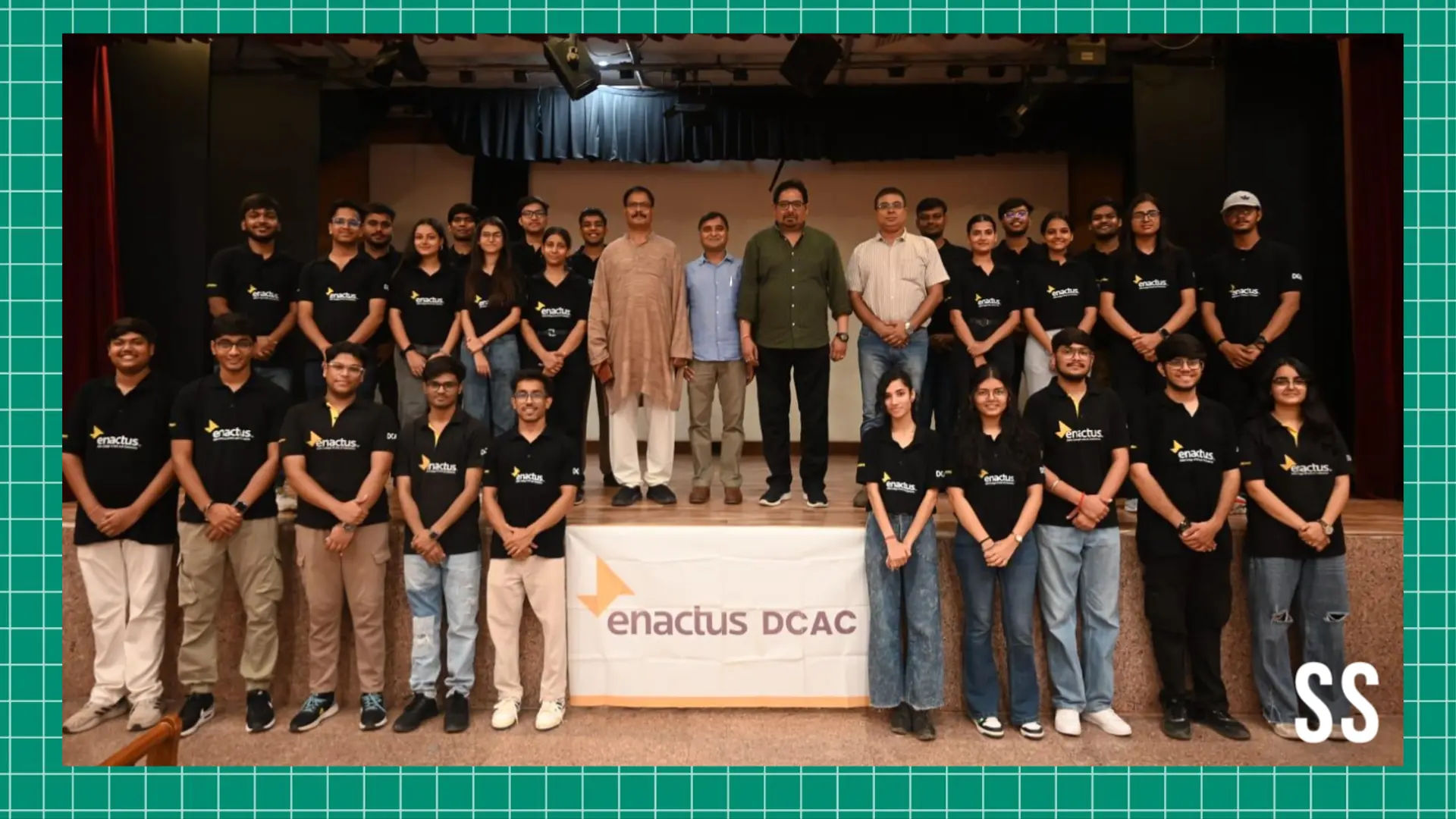

Fashion has long catered to the able-bodied, leaving millions to adapt to clothes that don’t fit their realities. But three students from Delhi College of Arts and Commerce (DCAC), Delhi University, have decided to flip the script.
Project Riayat, a student-led initiative under the umbrella of Enactus DCAC, is redefining clothing by designing adaptive wear for people with disabilities. Enactus is an international non-profit organisation that brings together student, academic and business leaders committed to improving the quality of life and standard of living for people in need.
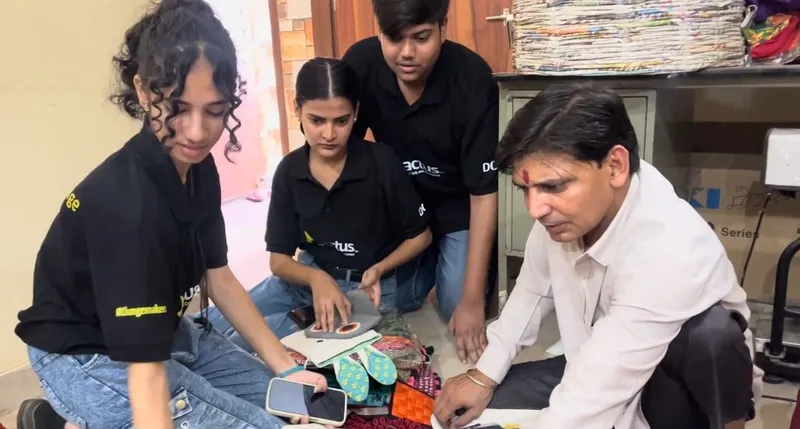
Project Riayat team with the tailor (master ji) explaining the product design.
Founded in 2023, by Avishi Gupta, Umang Bansal, and Ananya Goel, Project Riayat emerged from a deeply personal space—Avishi’s observation of a family member with a lower limb disability struggling to wear regular clothes. The trio launched Project Riayat with the belief that fashion should not only be functional but empowering.
Although Ananya had to step away due to personal commitments, Avishi and Umang, along with a dedicated team of 15 council members and 100 associates, continue the work.
Understanding the problem and community research
To deepen their understanding of how fashion excluded disabled individuals, the team conducted extensive field research at the Pandit Deendayal Upadhyaya National Institute for Persons with Physical Disabilities. “We wanted to understand the issues faced by the disabled and make sure that this is not an isolated case,” Avishi tells SocialStory.
Through surveys and conversations, they discovered that people with disabilities often adjust uncomfortably in regular clothes or resort to custom tailoring—an expensive and inconsistent option. Clothing is not just about comfort; it is about autonomy. The need for assistance in changing clothes deeply affected the dignity and mental well-being of many disabled individuals.
Armed with insights, the team set out to create solutions that could genuinely serve the community.
Adaptive clothing solutions
The first prototype from Project Riayat was a simple yet transformative idea—designing lowers with side zippers for people with prosthetics. These allow the wearer to adjust or remove pants without external help or removing the entire garment. For wheelchair users, the team designed pants that could be worn without needing to stand or receive assistance, tackling a major barrier in daily dressing routines.
Their motto, as Avishi puts it, is not just to create something but to "empower clothing."
To ensure the designs were grounded in reality, the team partnered with Family of Disabled (FOD), a Delhi-based non-profit. Currently, a group of 25–30 individuals with disabilities from FOD mentor and manufacture the adaptive clothing, ensuring both the design and production processes are inclusive. They are trained and equipped with the tools needed to become skilled creators of adaptive wear.
Challenges along the way
Adaptive clothing was a new concept, and the founders, being students with no background in design or disability studies, relied heavily on mentorship and trial and error.
One major hurdle was earning the trust of the disabled community. "Initially, people were hesitant to open up about their clothing struggles," says Avishi. Frequent visits, rapport-building, and active listening helped bridge this gap. In one memorable experience, the team met differently-abled dancers at the Handicapped Federation, who eventually shared their stories of difficult costume changes and menstruation management.
Funding was another significant challenge. Fortunately, the project found early supporters like Oncocare, a cancer care initiative, which believed in the cause and helped them scale their work.
Beyond clothing: Mental health, accessibility, and art
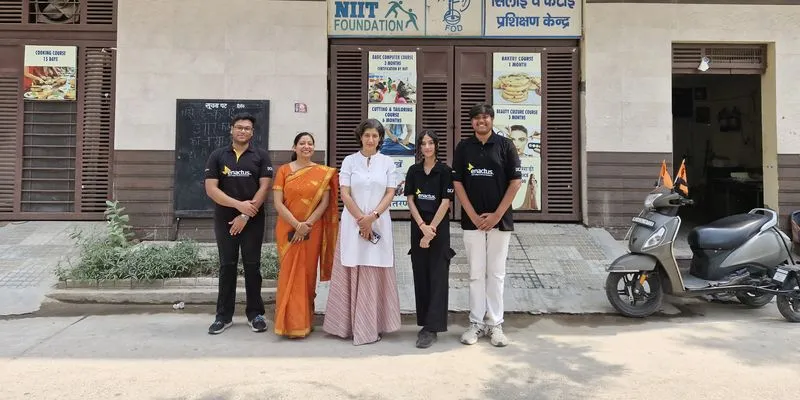
Team Riayat with the founder of the 'Family of Disabled'.
Project Riayat’s impact extends beyond clothing. Realising the emotional burden of needing assistance for private tasks like dressing, the team partnered with the Vandrevala Foundation to offer mental health support. The sessions are offered at a minimal cost as part of a community service initiative, with the collected amount going entirely towards the remuneration of the professionals conducting them.
The initiative’s website, riayat.in, reflects the ethos of inclusion. It features multiple accessibility modes including Epilepsy Safe Mode, Visual Impairment Mode, ADHD Friendly Mode, Cognitive Disability Mode, and Blindness Mode, making it one of the few Indian platforms designed for universal digital access.
Further strengthening its community roots, Project Riayat collaborates with NIMHANS (National Institute of Mental Health and Neurosciences), offering a platform to around 100 members to sell their artworks and handicrafts online.
Vision for the future
Currently, Project Riayat’s clothing line is only available on its website. But the founders have larger goals: to scale the initiative, reach broader markets across India, and expand their design catalogue to include adaptive Indian wear.
In Avishi’s words, “The project is not about profit-making. It’s about making a shift in the mindset and bringing inclusiveness for people with disabilities.”
Edited by Kanishk Singh