



From scrap to structure: How Plannex is quietly revolutionising India’s waste management sector
Plannex Recycling is redefining what sustainable entrepreneurship looks like in India’s most unorganised industry.

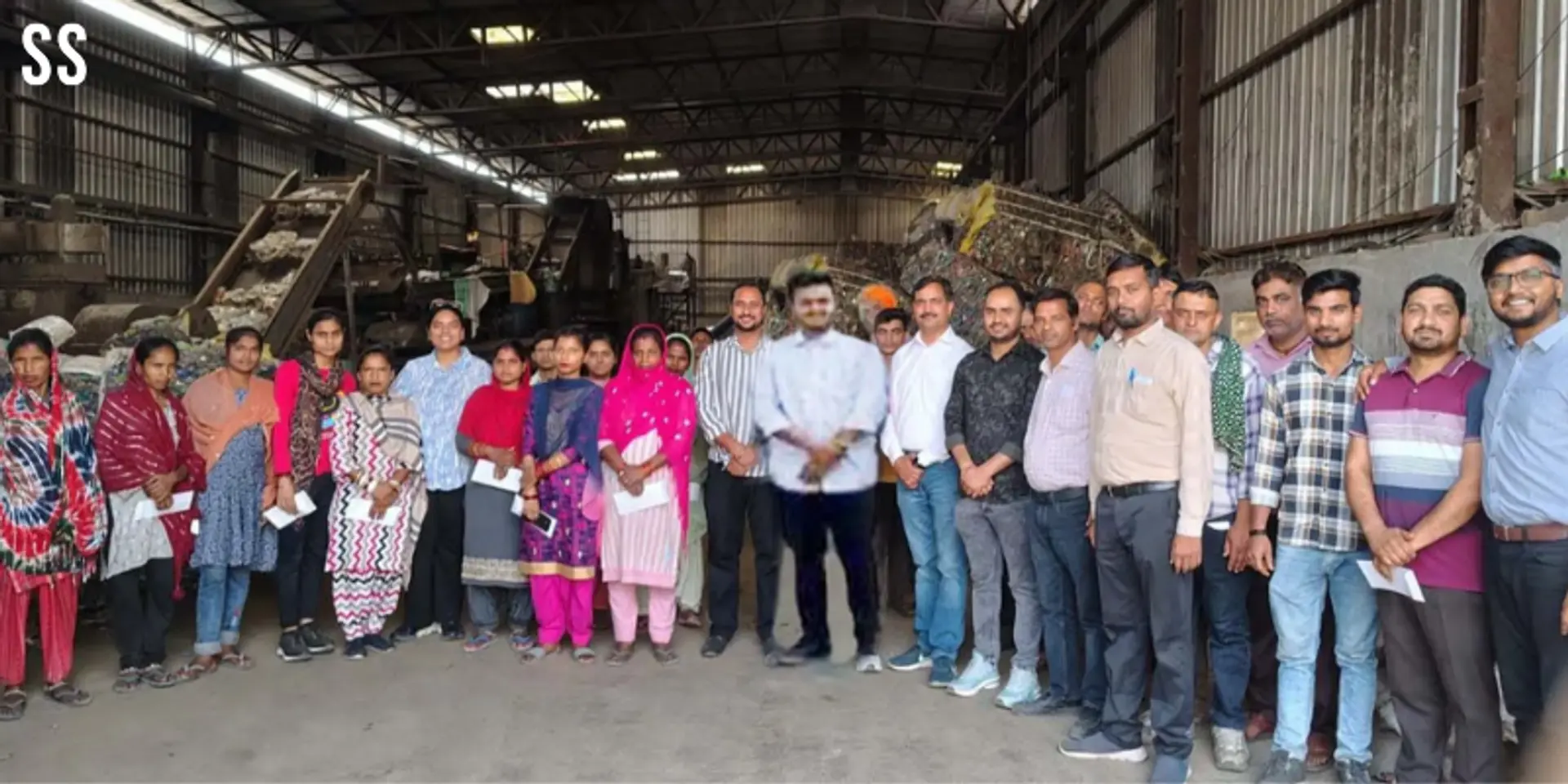

Plannex Recycling, a structured, technology-driven platform tackling India’s unorganised waste sector, began its journey in 2023. Operating in a space often characterised by fragmented systems and informal practices, the initiative took shape through hands-on problem solving, system design, and operational focus.
Plannex runs over 10 Integrated Waste Management Centres across India and processes more than two lakh metric tonnes of waste annually. Its scope includes recycling plastic, e-waste, tyres, batteries, and solar panels. The company integrates digital tools, in-house logistics, and training for informal workers to build a more transparent and scalable waste management ecosystem.
Ishita Bansal, co-founder and COO of Plannex Recycling entered into the waste management sector in 2020 at a rundown recycling facility on the outskirts of Delhi NCR. With no formal background in environmental engineering and few women in the field, she stepped into an informal industry.. “You don’t always have to shout to be heard,” she says. “Sometimes, you just need to deliver.”
Women as leaders
Raised in a traditional Marwari business family, Ishita grew up in an environment that valued enterprise but rarely handed down executive leadership to women. She was no stranger to supply chains, price negotiations, or vendor management. But her path wasn’t predetermined. After schooling at Pathways Aravali, she moved to Dubai for a degree in International Business at the American University of Dubai.
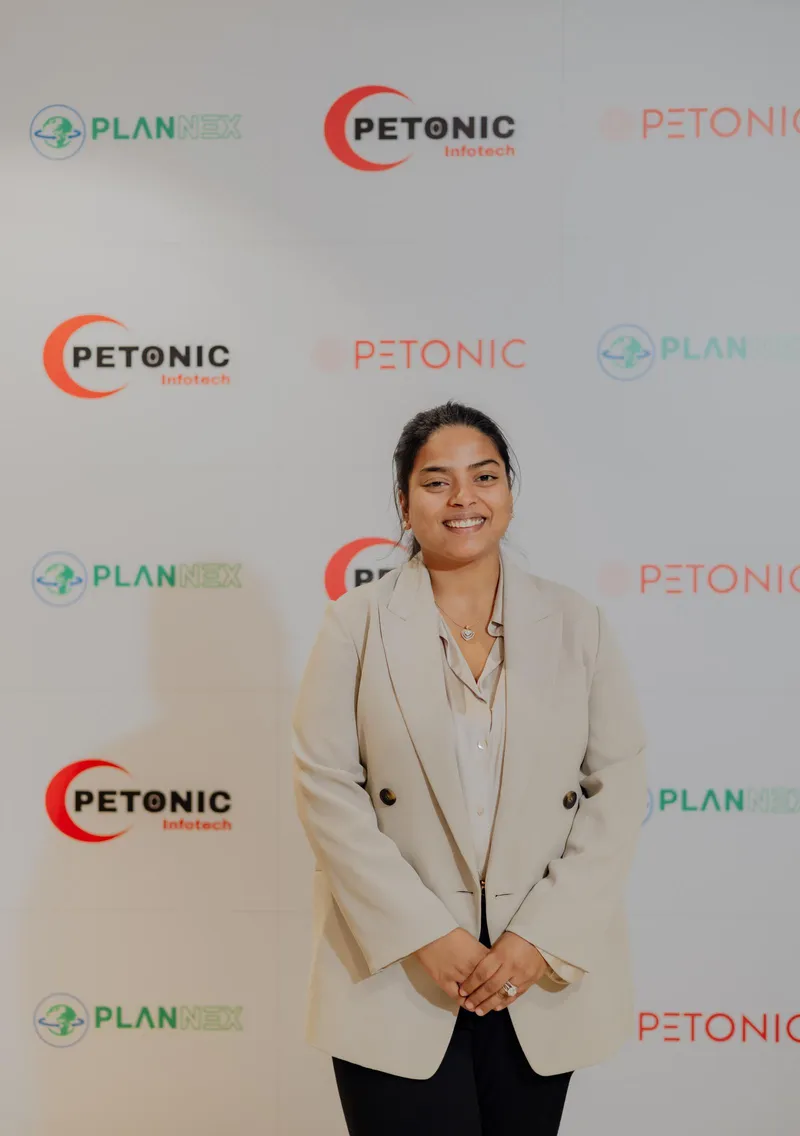
Ishita Bansal
In 2016, she returned to India and joined Intex Technologies, a family-run electronics firm. She started at the grassroots, managing backend sourcing and launching new product lines like outdoor speakers. “That’s when I noticed the jump in consumer spending and electronic consumption,” says Bansal. “I started wondering—where is all this material going?”
Salvaging waste, building systems
In 2020, Ishita came across a failing e-waste facility in Delhi NCR. The pandemic had destabilised its operations. She began learning the fundamentals, visiting scrap yards, decoding Extended Producer Responsibility (EPR) compliance, understanding the CPCB/SPCB frameworks, and interacting with aggregators and waste workers. “I saw that things were happening but the sector was unorganised and a high-volume industry with zero standardisation”, says Ishita.
EPR is an environmental policy approach where the producer of a product is made responsible for managing the waste generated from that product, especially at the post-consumer stage. In India, brand owners are legally required to collect and recycle a certain percentage of the waste generated from their products, such as plastic packaging, electronics (e-waste), batteries, and tyres.
So she started building from the ground up.
Four years ago she met her co-founders, Yashraj Bhardwaj, Yuvraj Bhardwaj and Harshi Gilara. They started their first plants in Faridabad and Gwalior in 2021. Today, Plannex has its own in-house EPR to track every scrap of material from collection to processing. Its services span across plastic, tyres, batteries, solar panels, and e-waste.
Plannex operates in Faridabad, Gurugram, Gwalior, Bhopal, Indore, Ranchi, Alwar, Una (Himachal Pradesh), Gajraula, Kota and Mundra.
Ecosystem over enterprise
Unlike traditional recyclers that focus only on processing, Plannex offers a complete ecosystem. It supports major MNCs and industrial clients with EPR compliance, ESG reporting, carbon credit facilitation, and even IT Asset Disposition (ITAD) protocols for secure electronics disposal.
The company’s proprietary EPR allows real-time tracking of reverse logistics across 18 Indian states. Its decentralized micro-recycling units, a first-of-their-kind in India, are now operating in semi-urban zones with zero-landfill output goals. But while the tech backbone is critical, much of the impact lies in behavior change and everyday awareness.
“Many households mix different types of waste, making recycling less effective and more challenging,” says Pushpendra Lovanshi, Plant Operation Manager at Plannex Recycling. “By separating dry, wet, and plastic waste at the source, we can enhance recycling efficiency, reduce landfill pressure, and turn waste into a valuable resource. Simple actions taken at home can play a vital role in building a sustainable circular economy.”
And at the heart of this system is people, particularly those from the informal sector. Plannex actively works to formalise waste-pickers and scrap workers, providing them with safety gear, healthcare access, upskilling workshops, and dignified employment. Plannex has a team of 150 employees.
A key pillar of Plannex Recycling’s model is the formal integration of informal waste workers into structured employment. Over the years, many of these workers have transitioned into formal roles across compliance management, administration, and factory operations. “We’re incredibly proud of the tangible impact we’ve made on the lives of ragpickers,” says Ishita Bansal.
“This has not only uplifted their lifestyles but also instilled a sense of dignity and purpose.” Several of these workers have gone on to become key connectors within their communities, encouraging others to make similar transitions. “Their firsthand insights from the ground level are invaluable in helping us understand challenges and further uplift more lives,” Bansal adds.
“Ultimately, we’ve established a robust chain of improvement and impact from this initiative.”
The company works to strengthen formal waste networks, critical for ensuring both compliance and value recovery. “Most waste currently goes through informal channels, which results in lost traceability and diminished value,” says Nikhil Patil, Procurement Manager at Plannex. “By channeling waste through authorised collection centres, we can ensure proper disposal while strengthening the formal waste management system. This approach is critical for creating a more accountable and sustainable waste ecosystem.”
Scaling for the future
Plannex is now aiming higher—targeting 4.5 lakh metric tonnes of recycled plastic this year, exploring exports of recycled material, and helping organisations across sectors work towards net-zero emissions. Among its biggest clients is Hindustan Unilever, and its presence continues to grow across corporates, universities, and city municipalities.
As conversations around climate justice, waste formalisation, and green entrepreneurship gain traction in India, Plannex sits at a crucial intersection—offering structure to chaos, and purpose to process.
Edited by Affirunisa Kankudti