





Earlier this month, India crossed a milestone—overtaking Japan to become the world’s fourth-largest economy. It’s a moment to pause and reflect, not just on how far we’ve come, but where our next wave of growth is coming from. While the world grapples with ageing populations and shrinking workforces, India’s story stands apart. Our demographic dividend, anchored in youth and aspiration, is alive and thriving.
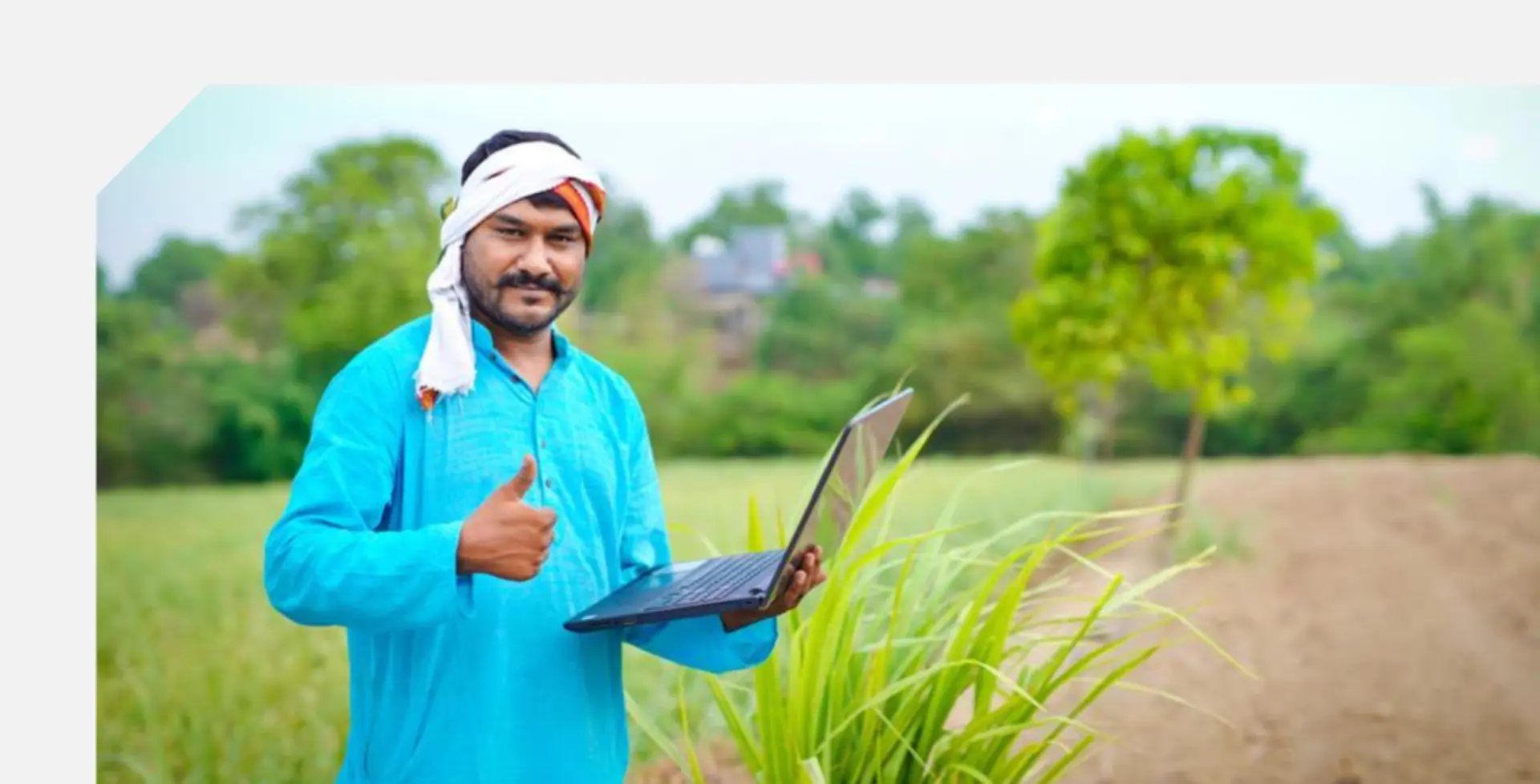
What’s more heartening is that this transformation is no longer centred in big cities alone. Rural India—often portrayed as catching up—is fast becoming the nerve centre of our progress. Once limited by distance and access, today’s villages are connected, ambitious, and full of promise. With highways snaking into interiors, internet access expanding rapidly, and rural airports opening up new possibilities, the map of growth is being redrawn.
Over half of India’s 633 lakh MSMEs are in rural areas. These aren’t just businesses—they’re signals of a deeper shift. Across villages, people are combining traditional knowledge with new skills to build enterprises that span farming, crafts, retail, and services. This is no longer about rural survival; it’s about rural leadership in a new economy.
The heart of it all: localisation
Around the world, development is moving away from one-size-fits-all models. More countries are now embracing locally led, community-driven solutions. From neighbourhood regeneration in the US to participatory budgeting in Europe, we are seeing a recognition that real change happens when people closest to the problem shape the solution. In India, this idea feels intuitive.
Our rural landscape is already woven with local institutions—Panchayati Raj Institutions, women’s collectives, youth groups, and frontline workers—each one deeply embedded in community life. And yet, these actors often work in silos, duplicating efforts or missing opportunities to collaborate. The missing link? Convergence. The kind that allows different arms of governance, civil society, and community leadership to come together, not around a fixed scheme, but around local aspirations.
What local systems look like on the ground
Across multiple states in India, this shift is quietly taking root. In some sub-districts, platforms like Gram Panchayat Coordination Committees (GPCCs) and Block Level Coordination Committees (BLCCs) are helping stitch together different efforts—MGNREGA, health, school, and livelihood programs. When these come together with locally prepared plans—the Gram Panchayat Development Plan and Village Prosperity and Resilience Plan—the result is a far more coherent and responsive development experience.
The change may seem subtle at first, but it’s powerful. Local bodies aren’t just implementing—they’re owning, adapting, and leading. Departments aren’t just working in parallel—they are coordinating. And most importantly, communities aren’t just receiving—they are shaping the outcomes.
Unlocking economic and gender outcomes through local systems
Localisation also creates a fertile ground for entrepreneurship to grow. When frontline services, capital access, and skill systems align at the panchayat level, enterprises emerge not despite rural constraints, but because of rural opportunity.
Take Soni Kumari, a young woman from Borobing Panchayat in Jharkhand. Through support services delivered via the Youth hub, Soni acquired new skills, accessed a loan, and launched a frame-making unit that now supplements her family’s income by Rs 15,000 per month. Her journey—from homemaker to business owner—was made possible not just by individual effort, but by a local ecosystem that worked for her.
A successful example of this approach is the story of Soni, a budding entrepreneur from the Borobing panchayat of Chitarpur block, Ramgarh, Jharkhand. Coming from a joint family, where her husband ran a modest photography studio, Soni was determined to not only improve their financial situation but also empower herself.
She envisioned expanding their business by creating photo frames, adding a new revenue stream to their existing studio. With strong support from her family, Soni connected with TRI, connected to the Youth Hub, and enhanced her skills through the Entrepreneurship Development Program (EDP). Equipped with new knowledge and confidence, she secured a loan and invested in a photo frame-making machine from Gujarat.
Starting small, Soni initially crafted simple photo frames, but she didn’t stop there. With hard work, creativity, and innovation, she soon mastered the art of making electronic photo frames, merging traditional craftsmanship with modern technology. Her efforts paid off—today, she earns approximately Rs 15,000 per month, significantly improving her family’s financial stability. But Soni’s aspirations don’t end here. She now plans to invest in additional machines, expand her business, and empower other women in her community by creating employment opportunities.
Today, Soni Kumari is the backbone of her family and a beacon of hope for rural women across the region. Her story stands as a testament to the boundless potential of rural entrepreneurs to drive positive change within their families and communities.
Her journey—from homemaker to entrepreneur—demonstrates how rural innovation and local convergence can work hand-in-hand to transform lives. Her story is not an exception but a growing trend across rural India, where women are building micro-enterprises in areas such as agro-processing, crafts, retail, and services. These ventures, when supported by responsive local institutions, ripple outward, boosting household incomes, generating jobs, and inspiring others.
When systems work at the local level, the benefits ripple far beyond income. In sub-districts where platforms like the BLCCs are active, people are also addressing gender-based violence, improving maternal health outreach, and ensuring that young people have access to training that leads somewhere. In short, localisation brings the SDGs closer to home—whether it’s poverty reduction, gender equality, or access to decent work. It breaks down the walls between schemes and sectors, letting solutions flow more freely through the lives of real people.
A whole new way of doing development
If we continue to treat localisation as a pilot or a project, we’ll miss the point. India’s rural transformation will only succeed if we invest in local systems that are inclusive, accountable, and built to scale.
Entrepreneurship, equity, and opportunity aren’t separate goals—they are natural outcomes of well-functioning, community-driven governance. When schemes, aspirations, and institutional capacities come together at the village level, they form a fabric strong enough to carry the weight of big dreams.
On this World Localisation Day, we are reminded of what is possible when development starts with trust in people. Rural poverty in India has dropped sharply over the last decade. A thriving rural middle class is within reach. To get there, we need to invest not just in schemes, but in systems. We need to empower local leaders and community influencers, collective effort, and design to scale from the bottom up.
If India’s next leap is to be sustained, it won’t rise only from its cities. It will come from the gram panchayats, the local markets, and the everyday leadership of people like Soni—quietly rewriting what progress can look like, from the ground up.
(Aliva Das is Associate Director/State Lead Madhya Pradesh, Transform Rural India.)
(Disclaimer: The views and opinions expressed in this article are those of the author and do not necessarily reflect the views of YourStory.)