



Families under pressure: The psychological impact of disability
Disability is not solely a personal condition; it is a shared family experience, marked by emotional strain, systemic gaps, and the need for long-term resilience.

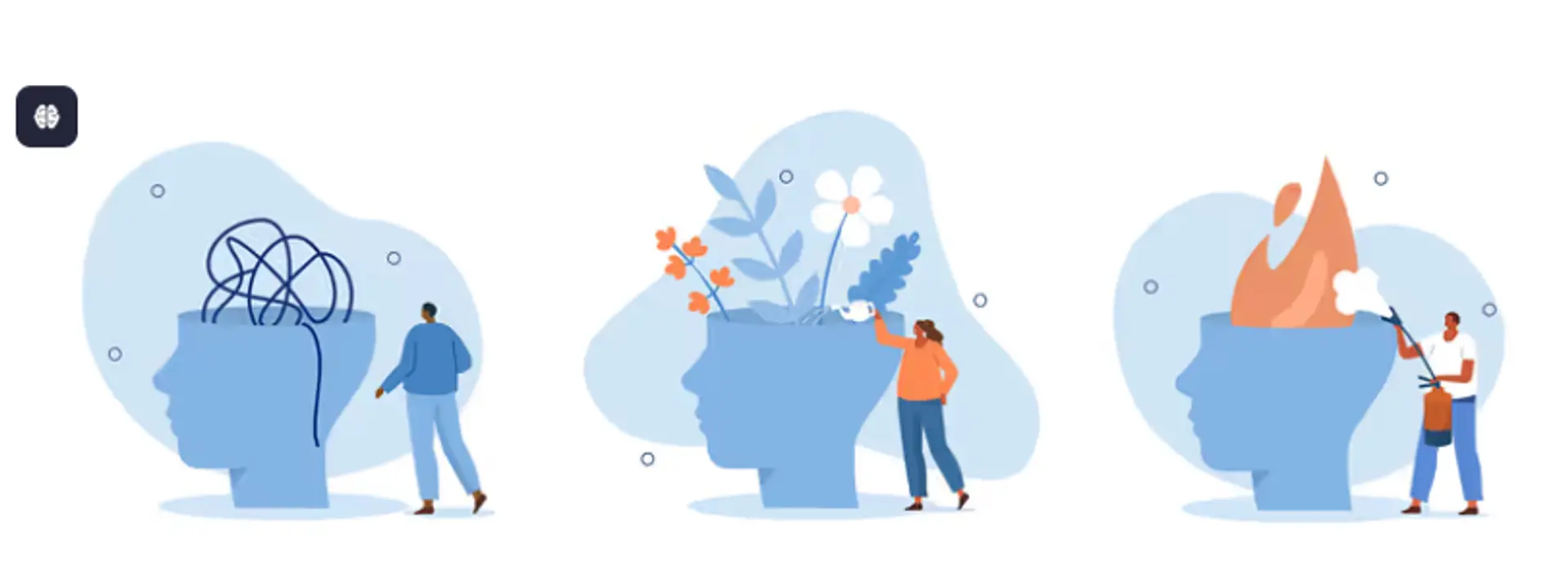

Disability doesn’t affect just one person; it affects an entire family. Are we listening to them?
Globally, more than 1.3 billion people, or 16% of the world's population, live with some form of disability, according to the World Health Organisation’s 2023 report Disability and Health. In India, Census 2011 data shows that 2.21% of the population lives with disabilities, with a substantial number being children. As awareness and diagnosis improve, more families are navigating the psychological, social, and financial complexities of raising a child with developmental, physical, or intellectual disabilities.
While interventions often focus on the child, the psychological burden on families, particularly primary caregivers, is frequently overlooked. Research by ICMR-NIMHANS in 2021, as well as a study by Singh and Ghosh in 2022, highlights that caregivers of children with disabilities are at a higher risk of experiencing clinical levels of stress, anxiety, depression, and social isolation.
The impact extends beyond individual mental health, affecting family dynamics, career stability, marital relationships, and social participation.
Disability, therefore, is not solely a personal condition; it is a shared family experience, marked by emotional strain, systemic gaps, and the need for long-term resilience.
The emotional landscape of caregiving
Receiving a diagnosis, whether of autism, cerebral palsy, Down syndrome, or another disability, can provoke a range of emotional reactions in families: shock, denial, confusion, guilt, fear, or grief. This was documented in a 2005 study by Raina and colleagues, which found that these emotions are often heightened by uncertainty regarding the child’s future, societal stigma, and lack of inclusive resources.
Primary caregivers, most often mothers, tend to bear a disproportionate emotional load, balancing caregiving with domestic, financial, and social responsibilities. Without adequate psychological support, this can escalate into long-term emotional distress and burnout.
Understanding caregiver burnout
Caregiver burnout is a condition of chronic emotional and physical exhaustion resulting from sustained caregiving demands. The American Psychological Association, in its 2020 report on caregiver stress, lists common symptoms such as:
● Persistent fatigue
● Mood changes and irritability
● Feelings of helplessness or emotional numbness
● Disrupted sleep
● Neglect of personal health
● Increased family conflict
Burnout is further intensified in families with low access to support systems, especially in urban nuclear households or marginalised rural communities. Earlier research by Gupta and Singhal in 2004 found that even in extended families, disagreements or a lack of shared caregiving responsibility can deepen emotional fatigue.
Financial and social stressors
Caring for a child with a disability often involves elevated financial costs, ranging from therapies and special education to assistive devices and transportation. UNICEF’s 2021 report, Seen, Counted, Include, estimates that households with children with disabilities may incur 30–50% more in healthcare and education-related expenses than those without. This strain can have a severe impact on lower- and middle-income families.
Alongside financial pressures, social stigma continues to create barriers. In her 2013 work, Social Dimensions of Disability in India, researcher Nidhi Sharma noted that families often report being excluded from community gatherings, subjected to unsolicited advice, or blamed for their child's condition, particularly in traditional or rural contexts. This leads to isolation, shame, and a decline in emotional well-being.
The need for mental health support in disability care
Mental health support is not an optional add-on, it is integral to holistic rehabilitation. When caregivers receive psychological assistance, they demonstrate improved coping skills, better child engagement, and reduced symptoms of depression and anxiety.
Key components of mental health integration in disability services should include:
● Individual counselling and emotional support for caregivers
● Parent training in behaviour management and coping strategies
● Grief and stress processing
● Couples and family counselling
● Disability-related psychoeducation
Sustainable care outcomes begin with the well-being of caregivers.
Holistic rehabilitation: A multidisciplinary perspective
An effective rehabilitation programme must support both the child and the family unit. A multidisciplinary model involving psychologists, physiotherapists, occupational therapists, and special educators ensures that care is comprehensive and family-centred. Research from NIMHANS in 2021 advocates for the early involvement of mental health professionals in therapy planning, parent workshops, and community-based rehabilitation. When families are treated as partners rather than passive recipients, long-term outcomes for children improve significantly.
Towards a supportive ecosystem
Caregivers require more than clinical advice. They need empathy, education, accessible services, and peer networks. Mental health should be embedded across disability programmes through caregiver support groups, school-based counselling, community education, and proactive screening.
Addressing caregiver well-being contributes to reducing stigma, normalising help-seeking behaviour, and building emotionally resilient families. A supportive environment can help break cycles of isolation and stress, ultimately benefiting the child’s development and inclusion.
Disability is never an isolated experience. It reshapes the emotional world of every family member. A system that empowers caregivers through psychological support not only improves their quality of life, but it also strengthens the foundation of the child’s care and rehabilitation.
Disability is a family experience and families need care too
The future of disability care is not just about services, therapies, or inclusive schools. It’s about recognising and supporting the people who hold it all together…caregivers. Their emotional strength, mental health, and sense of identity are vital to a child’s growth and integration into society.
If we want to build an inclusive nation, we must begin at the heart: the family. Let us design a future where no caregiver feels unseen, unsupported, or emotionally alone.
Because when families thrive, children with disabilities do too.
(Santhosh S is Counselling Psychologist at the Department of Clinical Psychology at Association of People With Disability (APD).