



Securing the shopfloor: Why women’s safety must power India’s manufacturing goals
From shop floor operations to supervisory and technical roles, more women are stepping into roles once considered off-limits. But inclusion without safety creates risk, not progress.

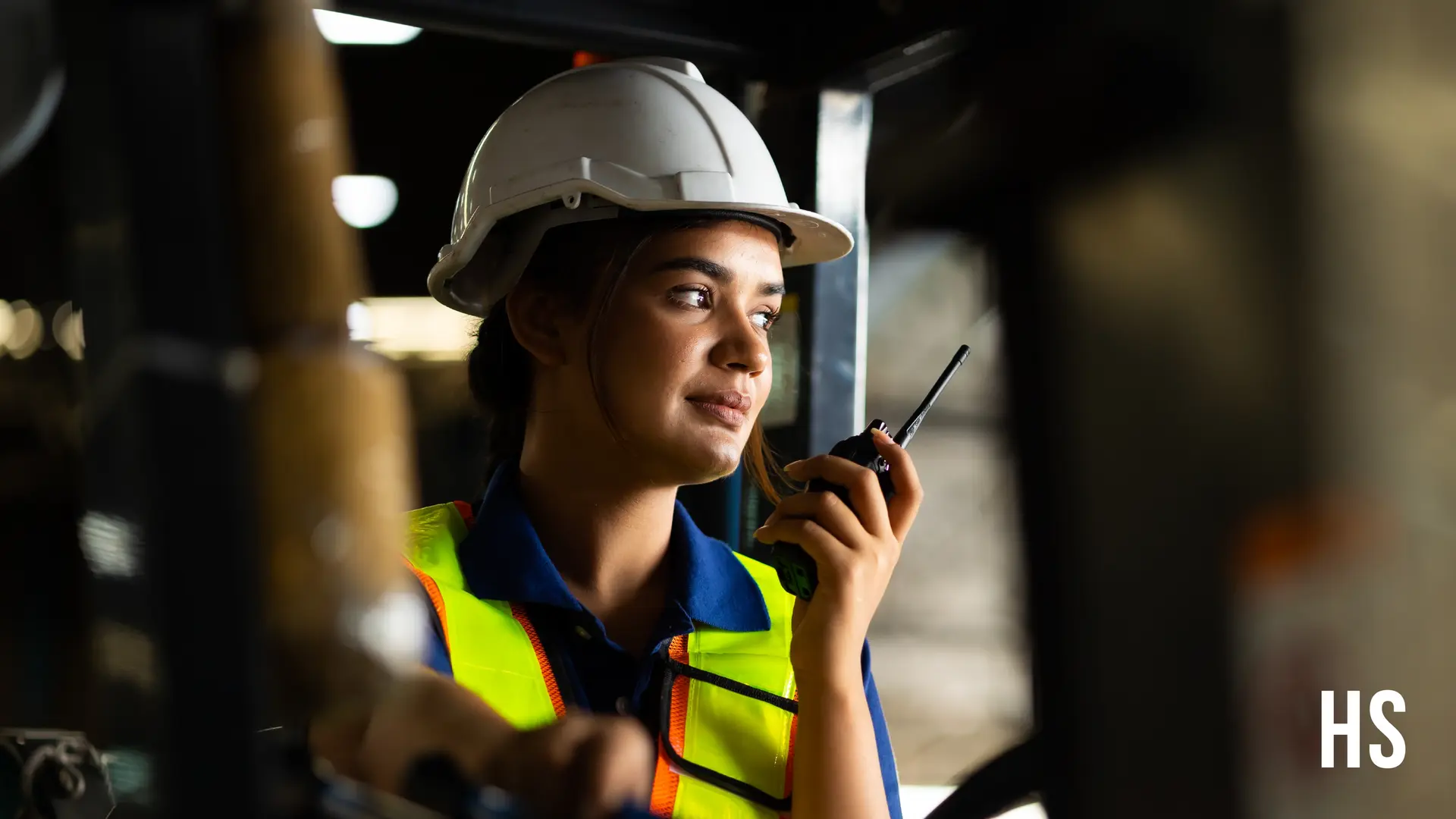

The moment Priya had dreamed of for months came when she landed a job at a manufacturing unit in Gurgaon's industrial belt after completing her ITI certification in electronics.
Offering a decent salary and work that aligned with her skills, this job represented a chance to break free from the cycle of dependence that had defined her family's story. She was eager to prove herself on the factory floor and was warmly welcomed by the production manager. But as the day progressed, reality began to set in.
The women's restroom was a single, poorly lit facility shared by over 200 female workers across three shifts. There was no separate rest area for women, no secure lockers for personal belongings, and the dormitory accommodation promised during recruitment turned out to be overcrowded rooms with inadequate safety measures.
The breaking point came in her second week—on the evening shift, Priya had to walk alone down a dimly lit path to the bus stop without a security escort. When she raised safety concerns during a team meeting, they were brushed off as "minor adjustments" that would be addressed "eventually."
Three weeks later, Priya resigned. Not because she couldn't do the job—she had received praise for her skills and dedication. Not because she didn't need the income—her family needed financial stability. She left because the very infrastructure meant to support her presence was absent, making her daily experience one of constant vigilance rather than productive work.
India’s manufacturing sector is at a pivotal moment. Fuelled by initiatives like Make in India and production-linked incentive (PLI) schemes, manufacturing already contributes nearly 17.33% to India’s GDP and is expected to grow steadily. But as we accelerate toward becoming a global industrial hub, a fundamental question remains: Are we creating manufacturing spaces where women feel safe—physically, emotionally, and institutionally?
Women now make up close to 31.9% of India’s manufacturing workforce, progress in a field long dominated by men. From shop floor operations to supervisory and technical roles, more women are stepping into roles once considered off-limits. But inclusion without safety creates risk, not progress.
Manufacturing inclusion: The missing safety net
The 2024 Periodic Labour Force Survey reports a 41.7% female labor force participation rate, a major milestone. In manufacturing, women have played a central role in driving job growth. Between 2017–18 and 2023–24, they accounted for 74% of the net increase in employment, with rural women contributing 46 percentage points of this growth. This signals a transformative shift in the sector.
And yet, women’s participation remains fragile. Nearly 66% of women quit within their first year on the job. Unsafe commutes, poor hygiene infrastructure, long hours, and concerns about workplace harassment are common reasons and systemic deterrents.
This matters, because when more women join the shopfloor, the benefits ripple outward. Women represent a vital, underutilised workforce that can help bridge existing skill gaps and fill critical labor shortages. Diverse teams drive innovation, strengthen compliance, and foster inclusive work culture.
Safety is the bare minimum
Safety is not a benefit but the foundation on which everything else is built productivity, respect, and retention. And it must go beyond physical protection. Psychological safety—freedom from bias, fear, or coercion—is just as essential to a woman’s ability to contribute meaningfully.
While some factories, particularly those connected to global supply chains, have begun adopting safer, more inclusive practices, this remains the exception rather than the rule. For most women, especially in smaller or informally run units, safety is still uncertain and uneven. Basic infrastructure, grievance mechanisms, and cultural sensitivity are often missing, leaving women to navigate risk on their own.
Manufacturing continues to carry the baggage of being a “man’s domain.” Changing this perception and the practices that reinforce it isn’t optional. For India to harness the full strength of Nari Shakti in its industrial journey, shopfloors must be redesigned to reflect that goal, because unsafe or unwelcoming environments shrink the talent pool, entrench gender segregation, and slow economic mobility.
A roadmap for change
Creating safer, more inclusive workplaces must be central to India’s manufacturing strategy. Factories should adopt mandatory safety measures like CCTV, reliable lighting, safe transport, clean sanitation, and on-site childcare — easing the dual burden of work and caregiving for women.
Gender audits, trained welfare officers, and institutionalized grievance systems, including worker-led safety committees with active female participation, are critical. Shared accommodation near industrial zones can reduce commute-related risks, especially for night shifts. Anonymous reporting tools, helplines, and whistle-blower protections are essential to address harassment and ensure women can speak up without fear.
Redesigning workplaces from the inside out
While infrastructure is important, culture determines whether women feel safe and respected. Gender sensitisation should be integrated into onboarding, training, and daily management—not just as a one-off workshop. Women in leadership are crucial not only for representation but for their lived experience in shaping policies, hiring, and grievance systems.
Creating inclusive workplaces must be central to India’s manufacturing strategy. Factories should ensure safety measures like CCTV, reliable lighting, safe transport, sanitation, and on-site childcare. Gender audits and grievance redressal systems should be institutionalised, with trained welfare officers and worker-led safety committees, especially with female participation. Shared accommodation near industrial zones can ease commute challenges, and anonymous reporting tools and whistleblower protections are essential for addressing harassment and ensuring women are heard.
Time to act is now
Women have already proven to be key drivers of growth in manufacturing. But progress is fragile unless supported by the right systems, infrastructure, and intent. It’s time to redesign factories, policies, and mindsets that actively support women’s participation—not out of obligation, but because it makes economic and strategic sense.
Making shopfloors inclusive strengthens industrial productivity, workforce resilience, and long-term national competitiveness. India’s manufacturing dreams cannot be built on unequal ground. Securing the shop floor is securing the future.
(Pooja Sharma Goyal is Founding CEO, The Udaiti Foundation.)