



Threading the future: Quality, scale and sustainability in India's textile and craft sectors
A thriving, future-ready Indian craft sector would be one where artisans enjoy dignified livelihoods, buyers trust the quality and ethics of their purchases, and India asserts its rightful place as a global leader in responsible fashion.

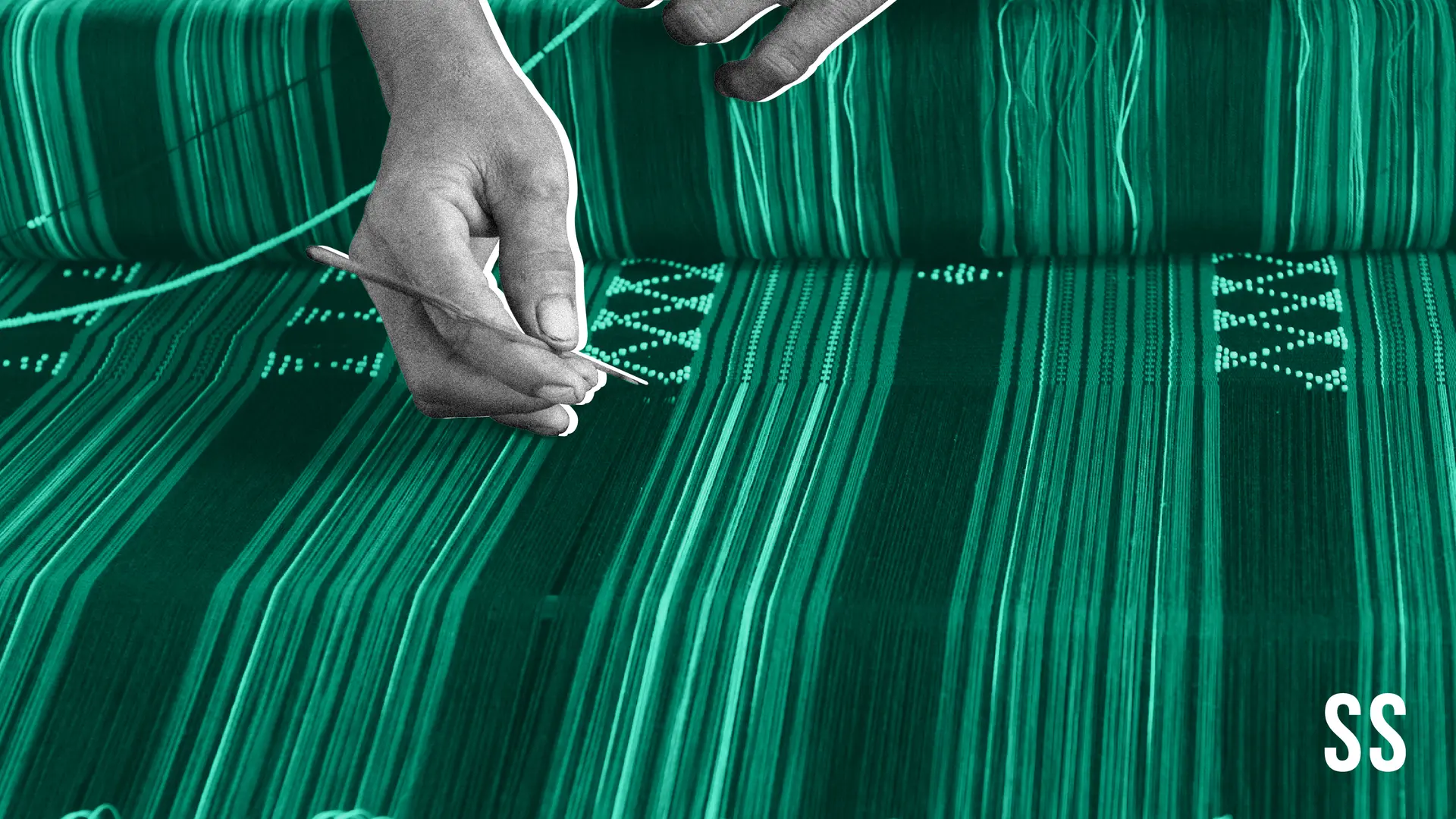

India's textiles and crafts sector stands at a critical inflexion point. With exports surging 10.03% to $15.99 billion in FY 2024–25 , rising international demand and favourable trade agreements on the horizon, the country's ancient craft legacies and modern textile industries are poised for unprecedented opportunities.
Yet beneath the glossy numbers lie deep-rooted systemic challenges that threaten to undermine the sector's long-term vitality, especially when viewed through the lenses of quality, scale, and sustainability.
Perception vs potential
India's textile heritage is vast and varied, encompassing everything from hand-woven banarasi silks and kanjeevarams to intricate chikankari embroidery and block-printed cottons. Despite this, Indian textiles are often perceived as either luxury artefacts or mass-produced commodities. This binary perception sidelines a large swathe of mid-tier artisanal products that could appeal to global consumers seeking quality craftsmanship at accessible price points.
At the heart of the issue lies inconsistency in quality standards. Many craft clusters operate in fragmented ecosystems with limited access to modern equipment, standardised processes, and quality assurance mechanisms. While master artisans uphold generations of skill, scaling up often results in diluted quality, as training, raw material procurement, and quality control struggle to keep pace with demand.
Traditionally, many techniques were entirely manual, requiring hours or even days of painstaking labour that resulted in exceptional precision and unique quality. Each piece bore the mark of its maker, with minor imperfections adding to its character and authenticity.
However, in recent years, these practices have increasingly been overtaken by machine-led processes that prioritise speed and uniformity. While mechanisation has enabled higher volumes and more consistent output, it has often come at the cost of the nuanced artistry and tactile richness that define handmade Indian textiles.
Moreover, global buyers frequently cite unpredictability in delivery timelines, lack of uniformity, and insufficient transparency in supply chains as deterrents to scaling up sourcing from India. Without robust quality certifications, international standards alignment, and capacity-building interventions, Indian crafts risk being pigeonholed as boutique or unreliable.
The fragile balance
India's FTA with the UK, scheduled to take effect in 2026, promises a substantial boost for exports, potentially doubling India's apparel and home textiles exports to the UK within five to six years. Yet scaling up production to meet this demand presents its own set of challenges.
Large-scale production requires industrial infrastructure, but mechanisation can erode the very uniqueness that defines Indian craft. Many craft clusters are family-run operations with limited capital and managerial expertise. Bridging this gap requires hybrid models that blend artisanal skill with modern management, logistics, and market intelligence.
Successful models do exist: cooperatives, social enterprises, and designer-led initiatives have shown that scale need not come at the expense of integrity. The key lies in investing in human capital through intensive skilling programmes, design interventions, and technological integration that enhance productivity without compromising artistry.
Beyond greenwashing
Sustainability is no longer a marketing buzzword; it is an operational imperative. Unfortunately, much of India's craft sector operates in informal, resource-intensive ways, with minimal environmental oversight. Water pollution from dyeing, excessive energy consumption, and waste generation remain serious concerns.
True sustainability extends beyond the environment. It encompasses social equity, fair wages, safe working conditions, and preservation of intangible cultural heritage. Many artisans live on subsistence incomes, with younger generations migrating to urban centres for more stable livelihoods, threatening the transmission of skills.
For India to position itself as a sustainable textile hub, multi-stakeholder collaborations are critical. Government policies must incentivise clean production technologies, facilitate access to low-interest credit, and ensure social security for artisans.
Brands and designers should commit to ethical sourcing and full value-chain transparency. Consumers, too, must be educated to value the provenance, craftsmanship, and cultural richness embedded in their purchases.
Collaborating for a future-ready ecosystem
● The future of Indian textiles lies in collaborative ecosystems that integrate the strengths of each stakeholder.
● Designers can serve as vital bridges, translating craft into contemporary, globally relevant products.
● Policy-makers must focus on enabling infrastructure, transparent regulations, and supportive financial frameworks.
● Craft clusters need institutional support for skilling, technology adoption, and market linkages.
● Consumers must be engaged through storytelling, certifications, and conscious consumption narratives that drive demand for ethically produced, high-quality goods.
● Public-private partnerships, craft incubators, and digital platforms can amplify these efforts, bringing visibility and viability to craftspeople across the country.
Envisioning a thriving crafts sector
A thriving, future-ready Indian craft sector would be one where artisans enjoy dignified livelihoods, buyers trust the quality and ethics of their purchases, and India asserts its rightful place as a global leader in responsible fashion. The sector would embody a seamless blend of tradition and innovation, supported by resilient supply chains, empowered communities, and environmentally sound practices.
The numbers may suggest a promising future, but the path to realising this potential demands deep, systemic reform. India stands at the cusp of a renaissance in its textile and craft sectors. The world is watching; it is now up to the stakeholders to thread the needle with care, vision, and resolve.
(Ridhima Bahuguna is Co-founder, Roots Foundation)
(Disclaimer: The views and opinions expressed in this article are those of the author and do not necessarily reflect the views of YourStory.)