


How evidence-led water quality interventions prevent disease before it occurs
On the occasion of World Water Day, we look at how India can go from just access to water to ensuring water quality, with real improvements in public health outcomes.

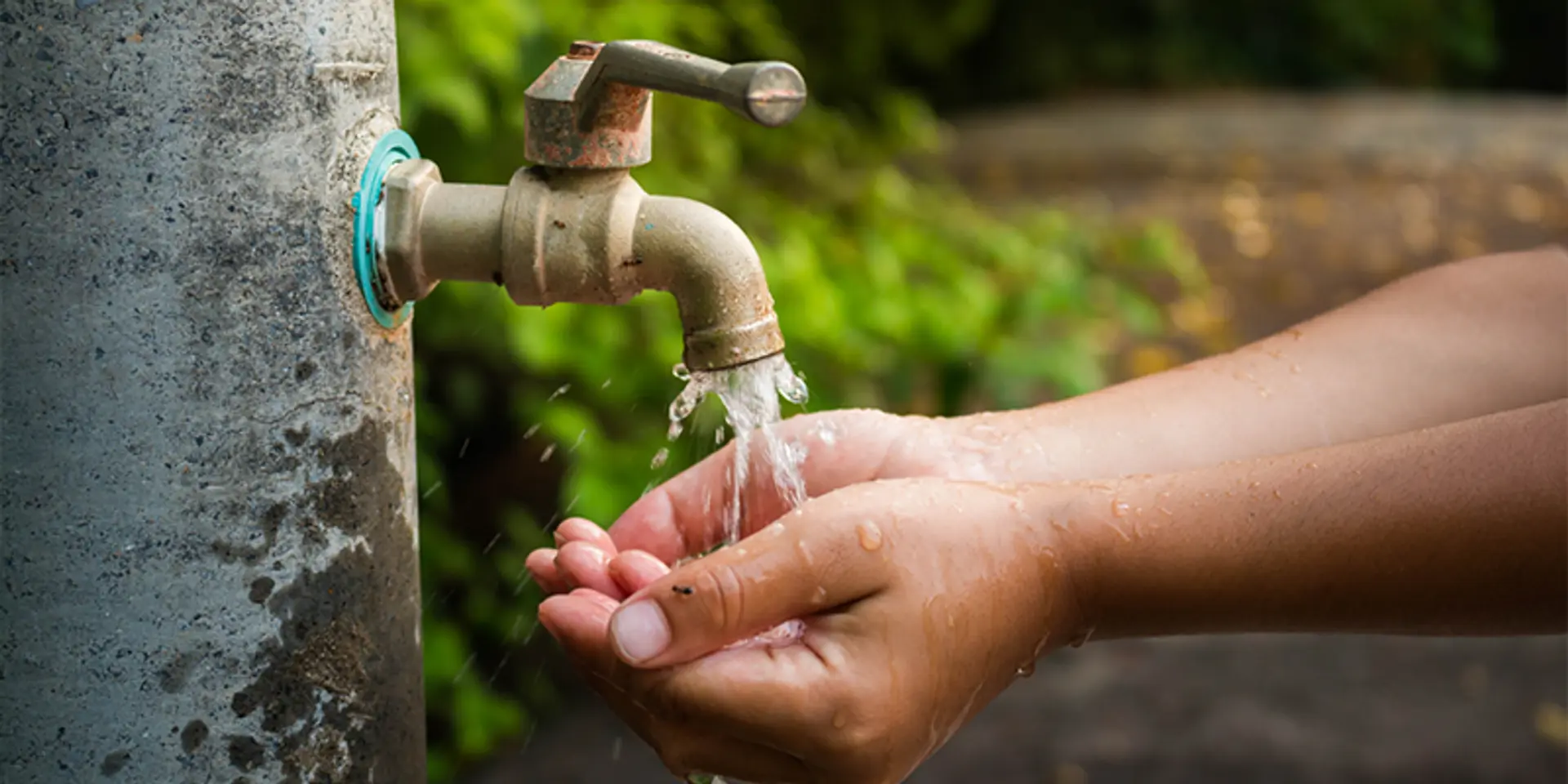

India has made great progress in improving access to piped water. Under the Jal Jeevan Mission, the percentage of rural households with tap water connections has risen from about 16% in 2019 to over 81% as of February 2026, according to government data.
However, access does not always mean safety. Multiple national and global assessments show that many drinking water sources in rural India are at risk of contamination. The World Health Organization (WHO) states that unsafe water, sanitation, and hygiene (WASH) remain major risk factors for disease worldwide, leading to diarrhoeal diseases and infections like typhoid.
In India, the gap between availability and quality is particularly evident in rural areas, where water that looks clean may still contain harmful microbes. The health impact is significant, especially for children. This highlights the need for India’s next phase of water improvement to shift from just access to ensuring water quality, with real improvements in public health outcomes.
When treatment outweighs prevention
Our response to unsafe water has mainly been treatment-oriented, rather than prevention-oriented.
Research conducted by Nobel Laureate Professor Michael Kremer and others indicates that water treatment interventions lead to a reduction of mortality rates of children under the age of five by 21%. The cost to families and health systems from these diseases is greater than the expense of prevention, which can be achieved by providing access to safe water.
Why chlorination is one of the most effective solutions
For something as simple as making water safe to drink, chlorination has quietly remained one of the most reliable solutions. It is already used in most piped water systems around the world, and for good reason. As the WHO highlights, chlorine doesn't just kill harmful pathogens at the source—it also continues to protect water as it travels and is stored, reducing the chances of it getting contaminated again before it is consumed.
The impact of this is tangible. According to the WHO and recent studies, including randomised controlled trials, household chlorination can reduce diarrhoeal disease incidence by roughly 30–40%, particularly in low-resource settings where water quality is inconsistent. It is affordable, relatively easy to use, and can work within existing systems—making it one of the few solutions that can realistically scale across both urban and rural settings.
And yet, the challenge is not the solution itself, but how consistently it reaches people. In many places, chlorine supply can be irregular, monitoring is limited, and awareness remains low. This means that even when systems are in place, they do not always translate into safer water every day. Bridging this last-mile gap—ensuring that chlorination is not just available but reliably used—is key to turning access to water into access to safe water.
A shift within the public systems
Several states have started to explore in-line chlorination in existing rural water systems. Unlike the household approach, in this approach, water treatment happens at the source of collection and distribution, hence reducing reliance on individual actions to maintain a disinfected water supply.
Installing chlorination devices translates into desired public health outcomes only when households consistently receive and use treated water. That means reliable dosing across complex piped networks and social and behaviour change efforts that build genuine community acceptance by addressing concerns around taste and smell and, over time, making safe tap water the default choice for drinking.
Low cost, high returns
Not only is chlorination effective, but it is also one of the most cost-effective public interventions for improving health. The cost per Disability-Adjusted Life Year (DALY) averted is estimated to be around $40, which is significantly lower than the general guideline of one times GDP per capita per DALY averted in India.
The cost-effectiveness of chlorination makes water treatment an attractive investment for governments with limited budgets for public health interventions. Investing in public health not only reduces costs associated with illness but also improves educational outcomes and productivity.
Choosing prevention
The evidence is clear: simple, cost-effective, and scalable water treatment solutions can prevent disease and save lives. By focusing on the solutions, India can change the paradigm from managing waterborne disease to preventing it, protecting its children, strengthening its health systems, and ensuring that access to safe water means access to health.
The author is Country Director, EAII Advisors, the technical partner for Evidence Action in India.
(Disclaimer: The views and opinions expressed in this article are those of the author and do not necessarily reflect the views of YourStory.)