



A Song for Eresha: An intersection of mythology and reality through dance
The feature film, with danseuse Savitha Sastry as the protagonist, spotlights the guru-shishya dynamic through a forbidden love story.

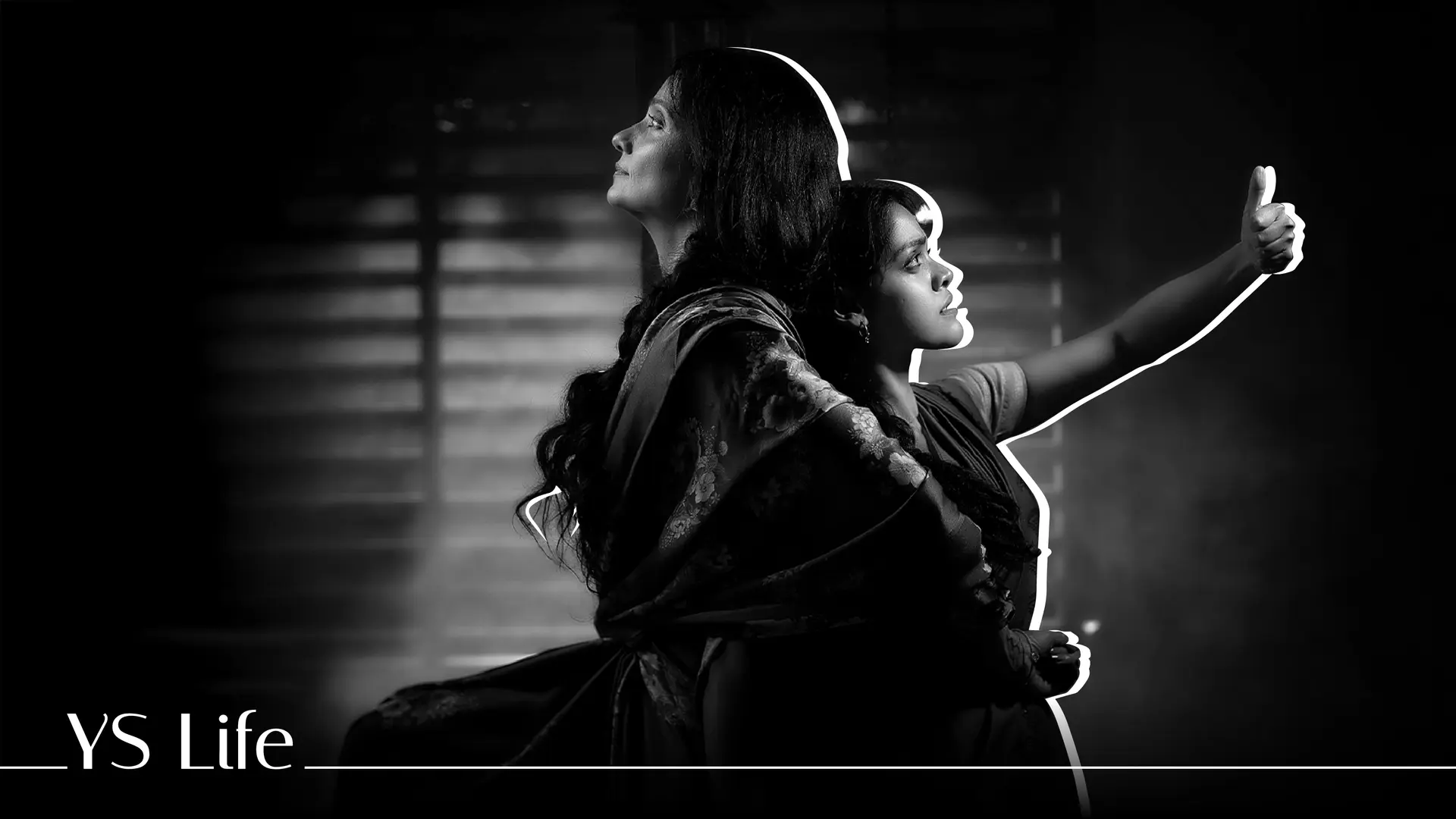

Audiences today are drawn towards more nuanced, meaningful cinema, and A Song for Eresha fits the bill.
Directed by AK Srikanth, the feature film in English follows the fictional story of Eresha, a much venerated head of a prestigious arts institute called Aalayam.
The protagonist, Eresha (Savitha Sastry), falls in love with a young exchange student, Anvesha (Mayurakshi Sen) at her institute, threatening to put everything she had built at stake.
For the 50th anniversary celebrations of the institute, Eresha and her team are launching a dance project called the Mortality of Urvashi, and the young student wants to be a part of it.
“The storyline progresses with Eresha getting into a one-sided relationship with this person, who is viewing this dynamic similar to Arjuna’s perception of Urvashi, whom he considered god-like,” says Srikanth, whose earlier works Slow Rivers, Dvija, and Colors: White have won him accolades from critics and audiences alike.
A Song for Eresha will be released in theatres as well as on Amazon Prime Video and Apple TV in July-August in the United Kingdom, the United States, and Canada, following which it will be out on OTT in India (the platform is not decided).
Building a dream team
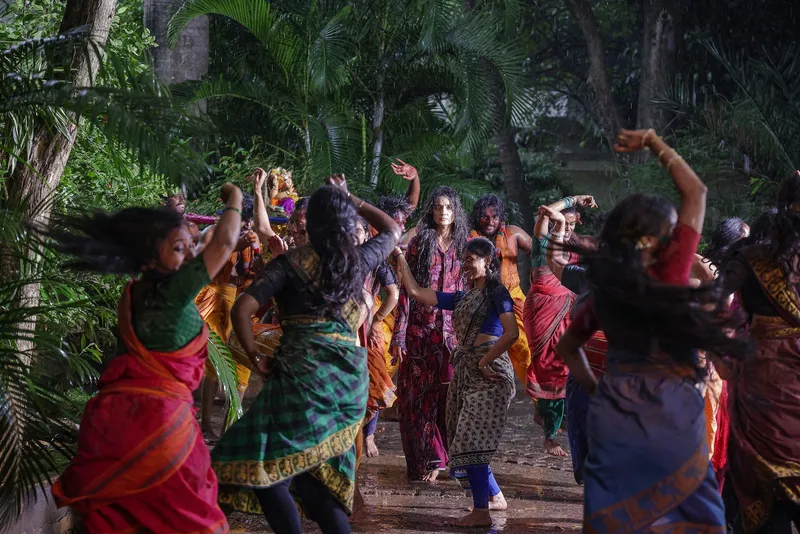
The 125-minute film—starring the eminent danseuse Savitha Sastry, debutante Mayurakshi Sen, and actors Mekha Rajan and Arshya Lakshman in supporting roles—showcases the intersection of mythology and real life and draws parallels between the two through dance. It also features over a hundred women classical dancers.
The idea, Sastry says, was to be as authentic as possible since the story revolves around an arts institute.
“Even if a dancer were to just walk across the screen, we wanted the movement to be authentic. We were not going to compromise and have actors who were not dancers in any way,” elaborates Sastry, who is Srikanth’s wife.
As Sastry and Srikanth are based in Bengaluru, it was possible to reach out to various dance teachers in the city to find the right talent.
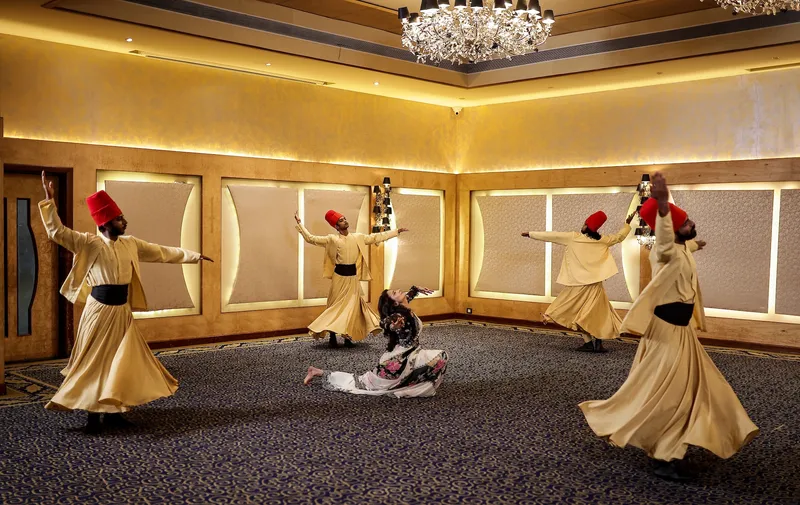
“It's not just my discipline of Bharatanatyam that I wanted to focus on. There are Kuchipudi, Kathak and other streams prevalent here. It was a collaborative effort engendered by the goodwill of the dancers in this community,” says Sastry, adding that a convivial atmosphere was created to define a dance institution.
The dancers worked with Sastry for a month before filming, soaking everything that went into being a part of Aalayam.
“It made everyone comfortable. And you know, the guru-shishya dynamic in India is unique, so we were able to foster that,” she remarks.
The costume, jewellery and makeup have intentionally been kept minimal, presenting the manner in which institutions in the south of India operate.
“Interestingly, Eresha who has set up these rules of conservatism in the film is herself looking at moving away from tradition. It becomes even more relevant within the context of the story,” reiterates Sastry.
Another important aspect to the story is that the character of the young exchange student didn’t have to know dance; that’s why a rank outsider was roped in to play the role.
“We had all of these elements, which I think contribute very deeply to the story itself. Without these, I think the film would have fallen short of the vision Srikanth had for it,” she notes.
The film’s soundtrack has been done by Abhay Nayampally—Grammy nominee and a disciple of the late Mandolin U Srinivas. He was recently a part of a collaborative album I am Schuman, with Tom Schuman of the jazz fusion band Spyro Gyra.
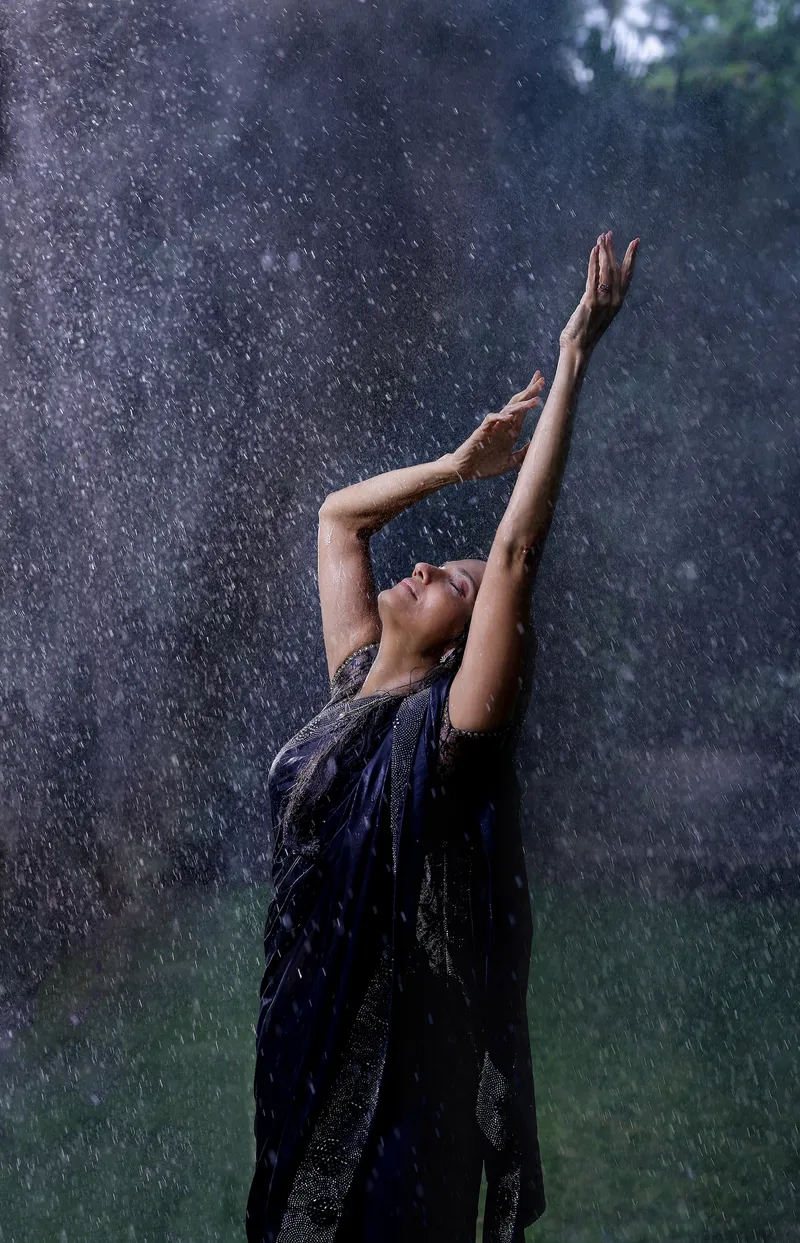
Srikanth describes the music of A Song for Eresha, “It’s Carnatic but you probably wouldn’t realise it when you first hear it. It’s not world music, because world music has its own set of rules. It’s not fusion because fusion to me is largely taking Carnatic tunes and putting them to a Western beat or something like that.”
He adds, “It’s a piece of music that may not even make sense if you take it out of the context of the film.”
A unique cinematic style
Director Srikanth has been deeply influenced by cinematic maestros including Satyajit Ray and David Lynch. To him, there is no filmmaker like Ray, who knew how to deliver a story without too many adornments.
“Lynch is at the other end of the spectrum. He has this esoteric way of showing things, and is abstract in many ways,” says Srikanth.
Sastry, who has been a part of many of Srikanth’s films, believes her husband has a deeply Lynchian style, which is reflected in his idea of an allegory to draw parallels between the real and the unreal.
“When people watch the film, they will have their questions answered. These will be answered in a way that it comes down like a sledgehammer. The dialogue and screenplay are impactful and stay with you,” sums up Sastry.
Edited by Swetha Kannan