



Bigger, better and brewed: Why Hyderabad's cafes are going OTT
A speciality coffee revolution is stirring up in Hyderabad. YS Life goes on the ground to see what the froth and fuss is all about.

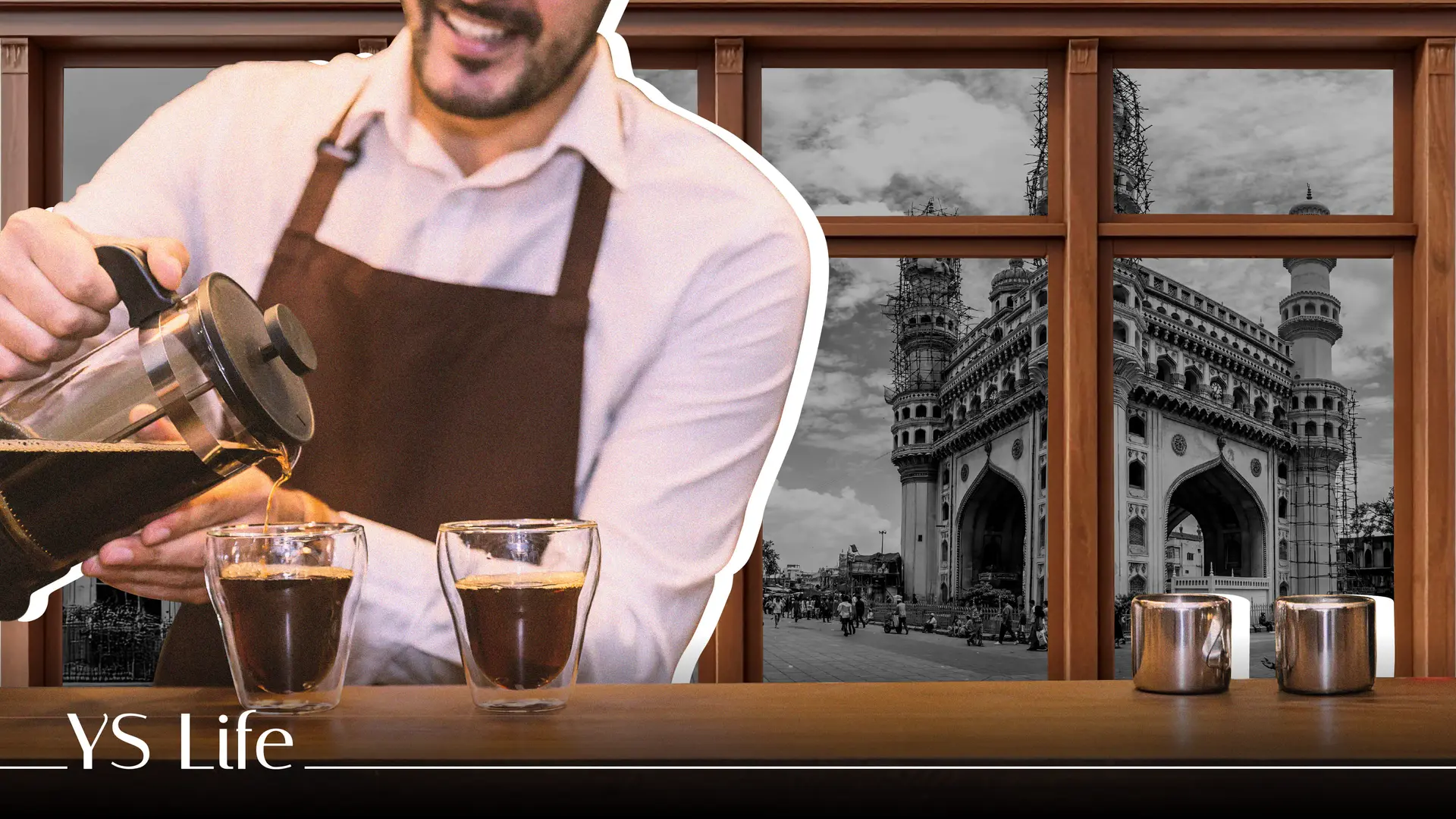

“Whenever friends visit Hyderabad, they have two things on their wish list—to see the Charminar and have Irani chai at Cafe Niloufer,” says Susmita Debnath, a Hyderabad-based healthcare analyst.
While Hyderabadi chai continues to pull crowds—locals and tourists alike—a new wave is taking over the City of Nizams. “Every week there’s at least one new (speciality coffee) cafe popping up here,” says Chandini SRK, Founder and Lead Roaster of independent roastery First Crack Speciality Roasters.
Much like its houses and retail stores, Hyderabad is OTT (over the top) about its coffee culture. For instance, Roast CCX in Banjara Hills owns a 60,000 sq ft four-storey space, with a seating capacity of 500.
On the opposite street, Roastery Coffee House—claiming to be one of the first large-scale cafes in Hyderabad—is nestled within a bungalow spanning 6,000 sq ft that can seat 130 people over lush outdoor and cosy indoor spaces.
Hyderabad is doing with coffee what Bengaluru did with beer—large-format spaces, plush seating, and all-day diverse menus to cater for everyone.
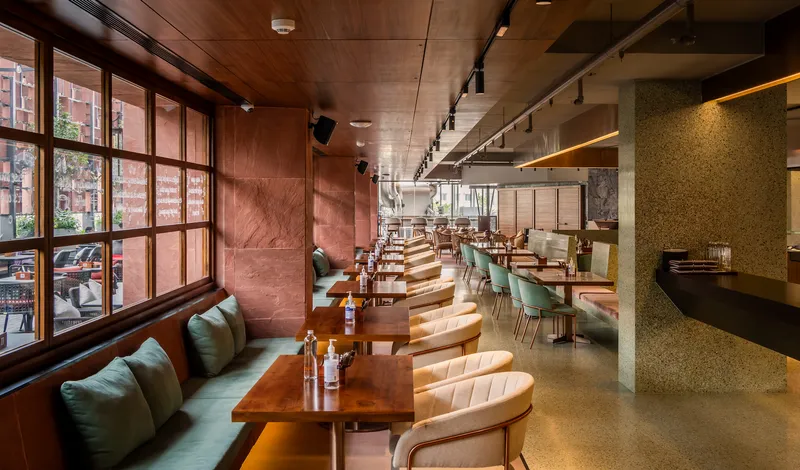
Roast CCX in Banjara Hills has a seating capacity of 500
“Hyderabad’s relationship with food is rooted in depth, time, and emotion—whether it’s chai at a nukkad or biryani at a family table. Speciality coffee isn’t here to compete with that legacy but to expand it… Over the last few years, as the city has opened up globally, there’s been a growing space for personal rituals and modern experiences. That’s where speciality coffee fits in,” Nishant of Roastery Coffee House tells YS Life.
From instant to indulgent
Intrigued, I set out to explore the speciality coffee culture on a Monday morning. Almost two hours before corporate employees took their lunch breaks, Roast CCX was already catering to at least 30% of its capacity. After the tour of the roastery—which houses India’s first Loring S70 Peregrine industrial roaster, a 12,000 sq ft pastry lab, and private theatre—and attending the chef’s table for lunch, I stepped out to find a small queue waiting to be seated.
On day two, I was equally amazed when I stepped into the Roastery Coffee House. A full house on a Tuesday afternoon and with a diverse crowd—realtors on meetings, entrepreneurs pitching their business ideas, students hanging out post classes, friends catching up over the famous cranberry coffee, and some passing by with their to-go cups.
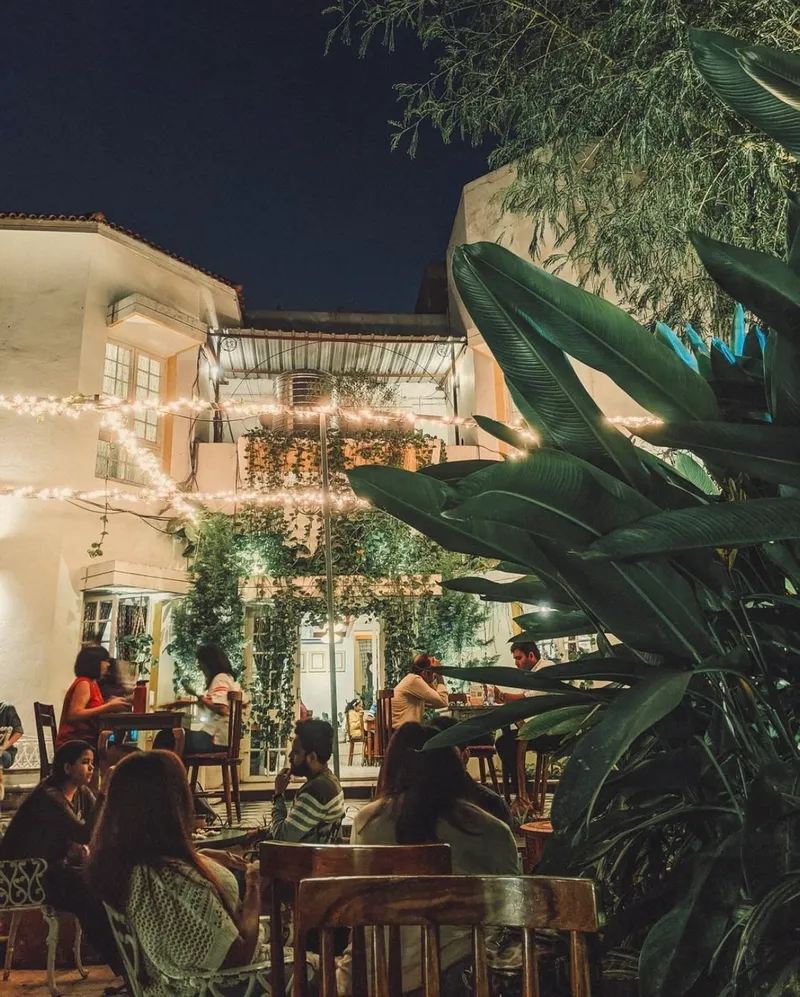
Roastery Coffee House, Banjara Hills is set within a bungalow
One such customer, Maliha Masroor, says Hyderabad’s obsession with coffee and cafe experiences is fairly new, thanks to people from diverse cultures settling in the city post the tech boom. “We (Hyderabadis) love working out of cafes,” says the Hyderabad resident.
Soon to embark on her first job, Maliha says Roastery is like a second home to her. “I come here at least four times a week, and the staff are my friends… I get my order (of espresso martini and south-west chicken tenders) without having to ask.”
However, for 23-year-old Shubhangi, who I met at Karafa Coffee, it’s more about the ambience and the experience than the product itself. “Whenever I go out with my friends, we pick a new cafe every time,” she says.
Irrespective of the reasons, most cafes in the plush localities of Banjara Hills and Jubilee Hills are almost always packed, so much so that it is rare to find a parking spot at True Black Speciality Coffee!
Back in 2017, when Roastery’s Nishant first set up shop, average blends dominated the cafe space, and enthusiasts believed good coffee was imported from places like Colombia or Italy. “I wanted to change that and put Indian speciality coffee at the centre… We started sourcing all coffees from Indian farms and roasted them fresh in our cafes,” he adds. And then, the market changed.
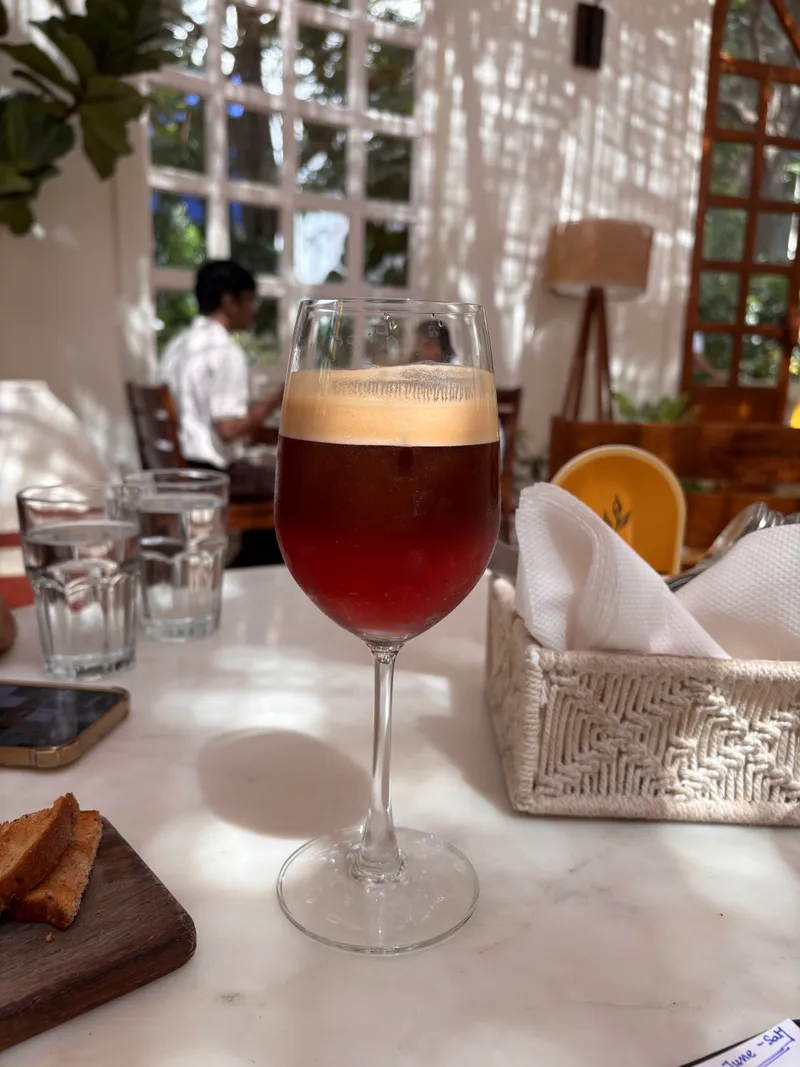
Roastery Coffee House's famous Cranberry Cold Brew Coffee | Image: Debolina Biswas
Cafes as a destination
All cafe owners in Hyderabad have a similar story to share—they started small, but customer demand pushed them to either expand to a new location or a larger format store.
“Hyderabad doesn’t have the kind of weather or infrastructure that supports a walking culture, nor does it have easy weekend getaways. So, people treat cafes as destinations—places they drive to and spend time at,” says Rohith Rao, Founder of True Black Coffee Roasters.
Referring to his first cafe, Softsand—a 30-seater space that opened in June 2022—Rohith says, “We thought that would be more than enough, but the way people wanted to linger, we consistently ran out of space.” True Black Coffee Roasters now has four spaces with seating capacities from 45 to 85, and is soon launching its fifth outlet, called Traventine, in Kokapet.
“India doesn’t have a strong takeaway culture. Most people prefer to sit down, take a moment, and stay awhile. That’s where larger spaces become essential. Without them, we’d lose out on footfall during peak hours and wouldn’t be able to offer the kind of experience that people return for,” Rohith adds. True Black’s average daily footfall is around 600 guests per location.
Likewise, Hanumanth Rao launched the first cafe—Roast, The Caffeine Capital—a 60-seater space in HITECH City just before the pandemic. Following its success, he launched Roast 24 Seven in Gachibowli, accommodating 200 guests over 6,000 sq ft space.
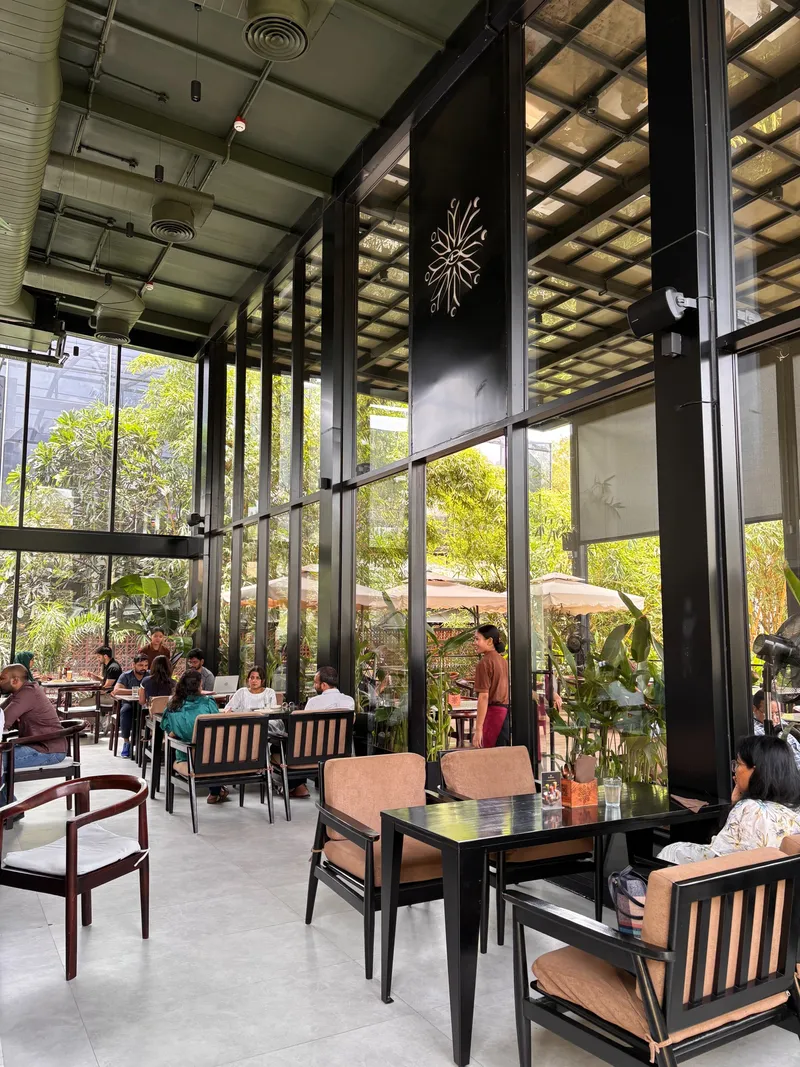
Karafa Coffee, which occupies a 4,000 sq ft, 90-seater space in Jubilee Hills, offers both indoor and outdoor seating options | Image: Debolina Biswas
“It (Roast 24 Seven) was at that time India’s largest standalone cafe… Even then, we regularly saw 100 to 150 people waiting, which gave us the vision and confidence to build Roast CCX,” Hanumanth adds.
Despite its size and capacity, Roast CCX sometimes experiences short queues. It sees an average daily footfall of 4,000 on weekdays and nearly 7,000 on weekends. “We don’t plan to go bigger than this,” he confirms.
Karafa Coffee, which occupies a 4,000 sq ft, 90-seater space in Jubilee Hills, experiences peak hours between 8 and 10 AM, and again from 3 PM onwards. Founder Ajitha Challa says, “Our average order per day is 250-300 on weekdays, and it is more than double on weekends.”
Interestingly, Karafa serves up to 100 cups of Vietnamese coffee alone daily. Its flagship store in Banjara Hills, once completed, will feature a roastery, a lab, and have a seating capacity of 140.
Following the success of its Banjara Hills outlet, Roastery recently opened another outlet in Kokapet, catering to 60 guests in a community-driven, intimate space. Also, Nishanth’s brother, Prashant Sinha, owns PS Cheese Cafe in Madhapur that serves speciality cheese, besides Roastery’s house blends. Interestingly, the Cranberry Coffee—which Roastery has trademarked—continues to be the bestseller across all its outlets.
The speciality coffee space in Hyderabad is a major market for cafe chains as well.
With 31 stores, Hyderabad is one of the top five growth markets in India for Starbucks. “Our journey began with the flagship cafe at Jubilee Hills… As we witness increasing interest in speciality coffee, Hyderabad will soon welcome our third experiential store in India,” says Mitali Maheshwari, Head of Product and Marketing at TATA Starbucks. The brand’s other flagship store is in Mumbai.
Bengaluru-headquartered Third Wave Coffee Roasters has nine outlets in the city. According to media sources, Gurugram-headquartered Blue Tokai is planning to open a cafe in Hyderabad soon.
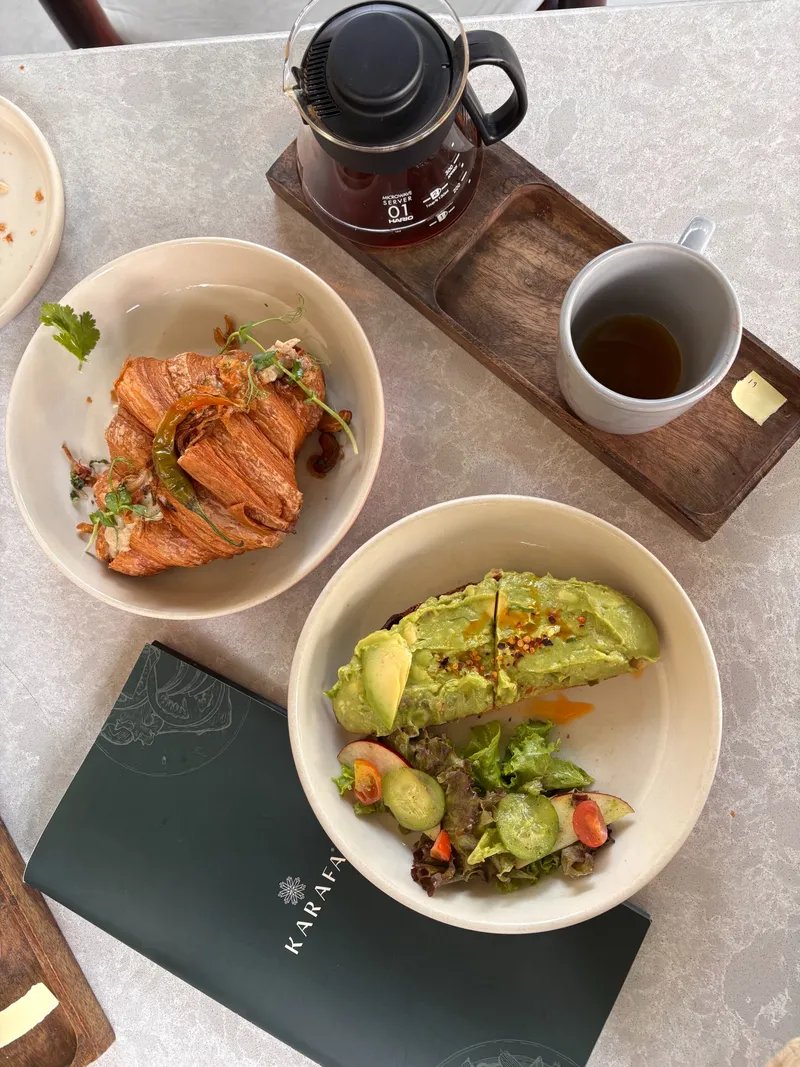
Karafa's signature Malai Murgh Croissant, Avocado Toast and Speciality Coffee | Image: Debolina Biswas
Speciality chocolate brand Manam Chocolates also operates a 60-seater cafe inside its Karkhana, featuring speciality coffee and food made from ingredients grown around its cacao plants in West Godavari.
“It is built as a strategic need to give customers a reason to engage beyond the core product, create frequency for them and spend time… It is a tool for us,” Chaitanya Muppala, Founder of Manam Chocolates, tells YS Life.
“In Hyderabad, if you don’t serve alcohol, such spaces tend to be more comfortable for people who don’t drink,” he adds.
But, there’s more than just demand that makes it favourable for Hyderabad’s cafe owners to have large-format spaces. According to Ajitha, “Hyderabad is a lucrative and growing market due to diversity, disposable income, and real-estate advantages.”
Agrees Chaitanya, adding that cafes are what restaurants used to be a decade ago. “Building a cafe has been romanticised.”
Hyderabad’s real estate is relatively lower compared to Mumbai or Bengaluru. Strategically, Roastery Coffee House builds cafes in bylanes of bylanes. “This ensures we don’t have higher rental costs since we are not on the main roads,” Nishant says.
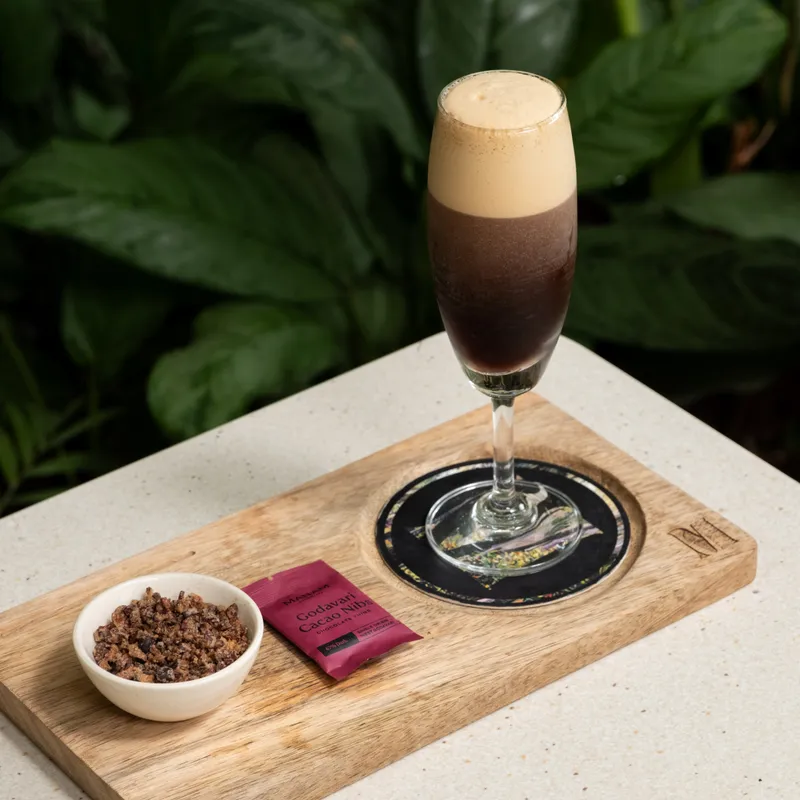
Cold Drip Cacao Nitrogen Flush at Manam Chocolate Karkhana
He continues, “When I started Roastery, I had two options: either open five smaller cafes doing Rs 20-25 lakh in monthly sales each, or build one strong, large-format space that could generate the same volume with lower overall investment… I chose the other route. A large space means tighter controls, more daily hustle, and sharper tracking.”
Nishant reveals that Roastery broke even in nearly 18 months since its launch. It sees around 1,000 walk-ins daily, with the average spend per customer ranging from Rs 1,000 to 1,200. At a store level, Roastery runs at an average EBITDA of 30%.
CCX Roast, too, maintains an EBIDTA margin of 20%. Last year, it alone generated revenue close to Rs 3 crore monthly, and despite the high capex, the brand closed FY24 with Rs 65 crore revenue.
True Black, which operates smaller cafes, has an average breakeven timeline of 15 to 18 months for each cafe.
Beyond the brew
Beyond speciality coffee, Karafa hosts coffee workshops to introduce different origin profiles, as well as focuses on pairing its brews with French and classic pastries.
At True Black, while beverages clock 65-70% of revenue, food accounts for 30-35%. Its bakes are everyday staples, designed to pair well with the coffee.
“Over time, I think cafes have become what restaurants used to be in our childhood. Because restaurants are becoming so niche and specific (with their cuisines)... Cafes are becoming the new-age multi-cuisine restaurants,” Chaitanya says.
Hyderabad’s cafes feature extensive food menus that extend beyond the regular croissants, cookies, and sandwiches, featuring regional and global cuisines ranging from dim sums, thalis, biryani, and everything in between.
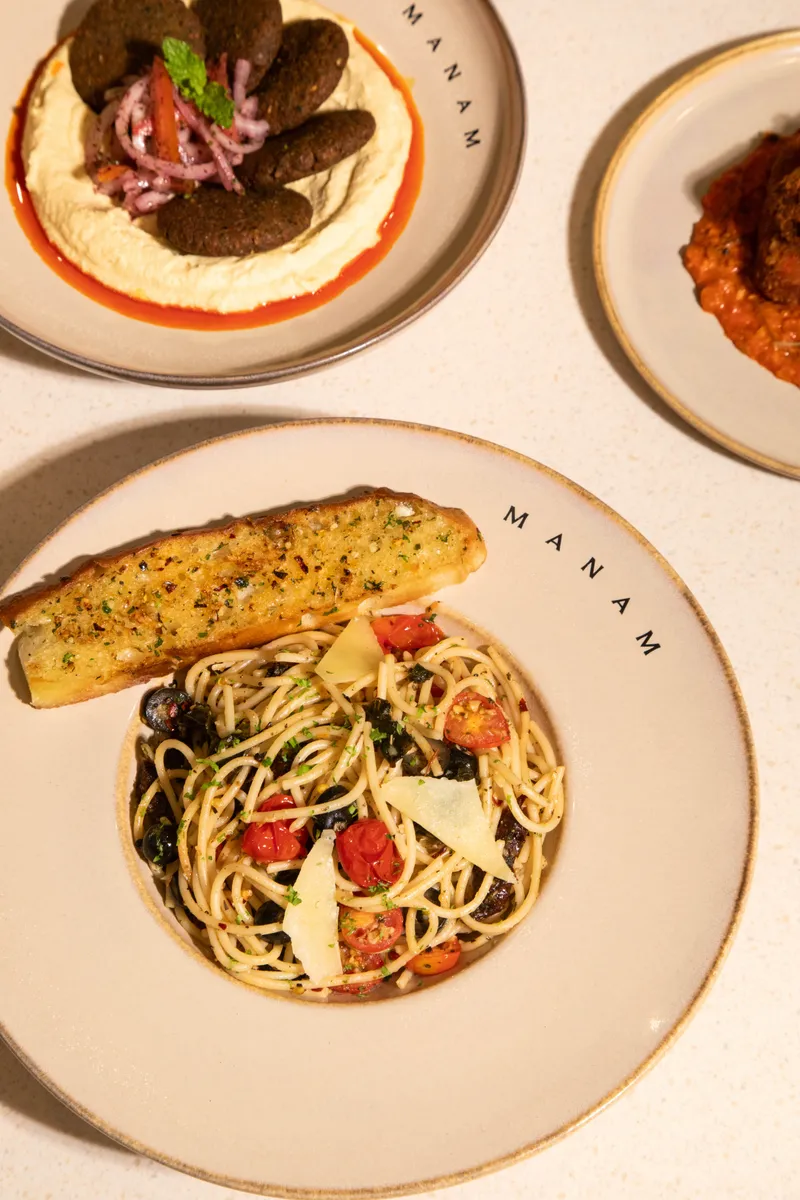
Spaghetti Gongura Aglio Olio at Manam Chocolate | Image by: Shibani Dutta
“India is a country where food is at the centre of how we gather, talk, and spend time… If you’re building a cafe business in India, food can’t be an afterthought,” says Nishant.
About 10% of Roastery Coffee House’s sales come from its non-F&B verticals, including workshops and book readings, to extend engagement and brand depth.
Roast CCX has dedicated zones in the kitchen, each staffed by chefs trained specifically in diverse cuisines, to ensure nothing feels generic on its broad menu. The chefs also continually elevate their skills through residencies and training with the senior team and international experts. “We break the stereotype that big menus dilute quality,” Hanumanth says.
While dine-in remains the primary revenue stream, True Black has also built a strong retail ecosystem, where it sells its roasted coffee beans and other small-batch products like ceramics and granola.
Although difficult to put a number to it, Hyderabad boasts a thriving coffee culture for those seeking a premium coffee experience, and the market is far from saturated. “What we are seeing is a shift: many cafes that once tried to do everything are now starting to focus, refining their core offerings, and carving out a niche—whether it’s food, coffee, design, or service,” says Rohith.
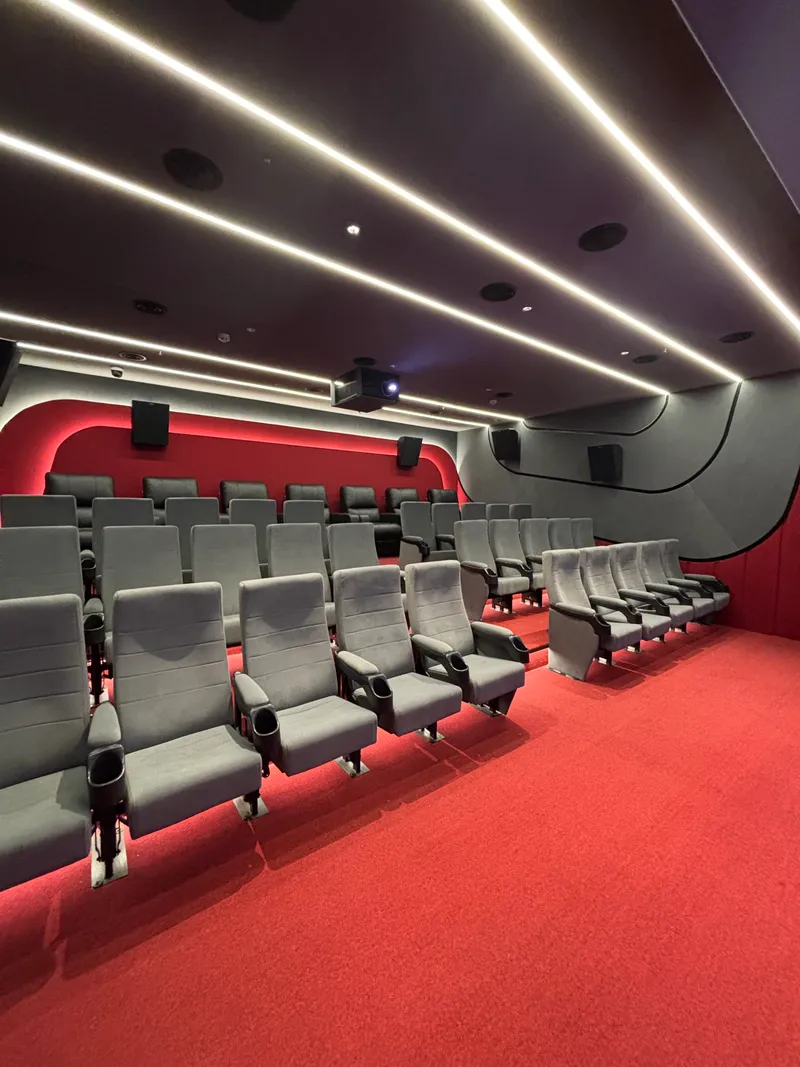
Private theatre inside Roast CCX in Banjara Hills | Image: Debolina Biswas
Nishant believes that for a cafe to be successful in Hyderabad, quality, service, space, and operational discipline are non-negotiables.
Ajitha adds that cafes should also be open to embracing new trends. Matcha orders, for instance, have seen a 120% surge in sales in her outlet between April and May. She adds, “While speciality coffee remains aspirational, cafes are now preferred over restaurants for casual hangouts.”
“Coffee is no longer just a beverage… It’s become a window into design, process, and a ritual people want to bring into their own homes,” Rohith concludes.
Edited by Suman Singh