



Through Ikk Panjab, a forgotten Punjab is remembered and relished
Ikk Panjab, with its outlets in Delhi-NCR and Chandigarh, rekindles the music, warmth, and everyday elegance of pre-Partition Punjab.


Some memories don’t carry dates or documents. Instead, they arrive in the smell of shakkar ki roti, the crunch of mathi chole, or the warm rustle of a family photo tucked behind glass. Passed down through taste, texture, and time, they quietly live on in our kitchens.
At Ikk Panjab–a flagship dining concept by Gurugram-based Bright Hospitality–these memories form the soul of the experience. While the first outlet opened seven years ago in Delhi’s Rajouri Garden, storytelling wasn’t central to the concept back then. That story, however, has since changed.
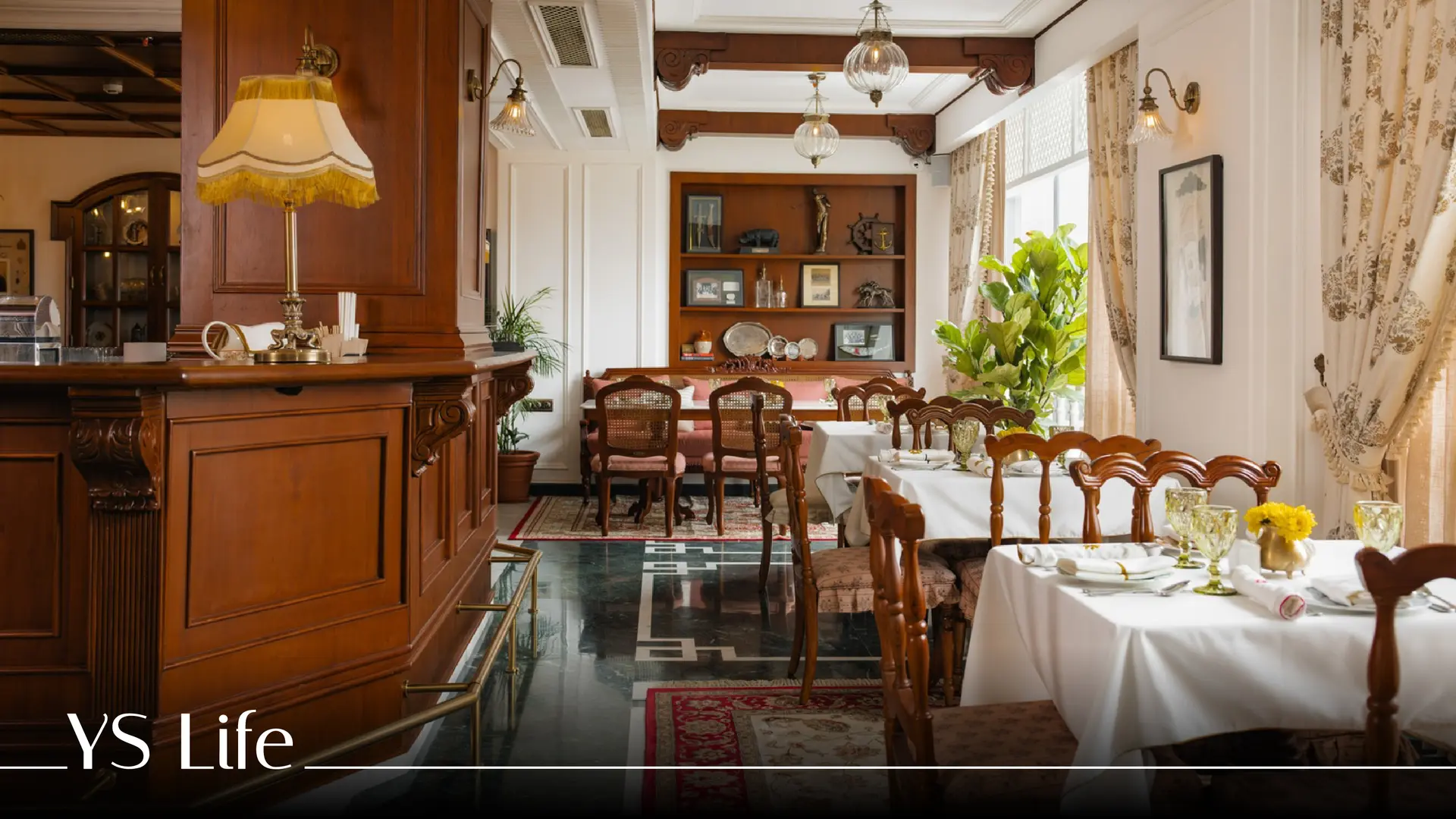
In its new avatar, Ikk Panjab wears its heritage proudly on its sleeve. The recent outlets, presented in a fine-dining format inspired by the quiet symmetry of colonial-era Punjabi homes, showcase a reinvented menu rooted in the food history of the once-undivided state–while retaining all the warmth patrons have loved the brand for.
Today, Ikk Panjab is a celebration of Punjab’s memory, culture, and spirit. The food served here draws from landmark cities and border towns across pre-partition Punjab, each shaped by rulers, refugees, folklore, and resilience.
The brand recently opened at Golf Avenue 42 in Gurugram, following launches earlier this year in Connaught Place in Delhi and Chandigarh. And yet, each space avoids the sterility of cookie-cutter replication.
No two outlets feel the same, but they all carry the same heartbeat. Report cards hang beside vintage crockery, heirlooms sit beside books, and every table feels like it belongs to someone’s family.
“We already had a story that was deeply true to us,” says Rajan Sethi, Co-founder of Bright Hospitality, which is behind concepts like OMO, GT Road, and AMPM. “And it’s not just ours, it’s a story that belongs to millions.”
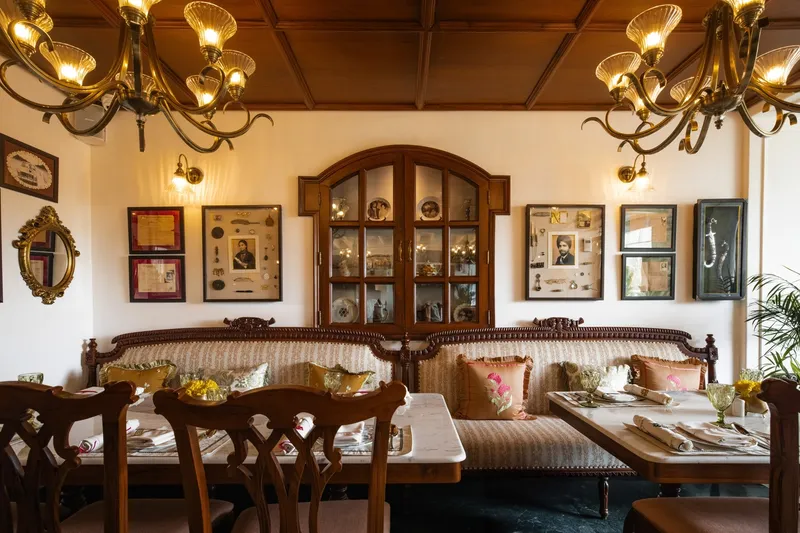
Ikk Panjab, Gurugram
Today, Ikk Panjab is both an emotional and commercial success. Each outlet clocks an average monthly revenue of Rs 80 lakh, with an annual run rate of Rs 9.6 crore with a 25% EBITDA margin. With four outlets now open and a fifth on its way in Greater Kailash, the brand is not only preserving culinary memory–it’s doing so sustainably, one dish at a time.
Past in plates
The idea behind Ikk Panjab had been simmering for years in Rajan and his wife, Deepika Sethi's mind. But it wasn’t until the post-Covid shift in dining culture that the team felt the urgency to tell it.
As storytelling became central to the hospitality experience, Ikk Panjab turned inward–toward family albums, handwritten notes, and fading oral histories. It was during this time when journalist Vernika Awal came on board. Her passion project, Delectable Punjab, was already carving space for a more stereotype-free, intimate retelling of Punjabi food traditions.
“We’ve been in the restaurant business for almost two decades,” says Sethi. “Earlier, it was all about the food. But now, eating out is a form of connection. People want stories. And we had one waiting at home.”
This wasn’t a story that needed to be invented. It was real, raw, and widely shared. The migration from one side of Punjab to another had changed millions of lives, including Sethi’s. As family memories faded and generations passed, Ikk Panjab became a way to document, revive, and preserve what remained.
One of the brand’s boldest creative choices was to challenge the popular–but mistaken–belief that Punjabi food begins and ends with butter chicken, dal makhani, and tandoori chicken.
“That’s Delhi food,” Sethi says. “It’s a partition-era adaptation. It doesn’t reflect what food in Punjab was like before that line was drawn.”
Instead, the team turned to towns that time forgot and dishes that never made it to restaurant menus. Atta Chicken, for instance, is slow-cooked inside a dough casing in a tandoor–a technique borrowed from a 100-year-old shop in Kotkapura. Firozepuri Crispy Machhi takes its cue from Lotan ki Machhi, a pre-Partition fish shop still running in Firozpur. Kibti Chicken, cooked with almonds and saffron, comes from the royal kitchens of Patiala. Mutton Beliram, a hearty, slow-cooked dish, was a favourite in Maharaja Ranjit Singh’s court in Lahore.
Even game meat like Tandoori Batair (quail) makes an appearance: a nod to Punjab’s regal past.
Memory was just as crucial as research. Everyday dishes like mathi chole, namak-ajwain parantha, seviyan, and shakkar ki roti were pulled from the kitchens of Rajan’s and co-founder Deepika Sethi’s childhoods.
“These aren’t trendy dishes,” he says. “They are what our grandmothers made. And if we didn’t do this now, they’d be lost forever.”
Celebrating undivided Punjab without the clichés
Walk into Ikk Panjab, and you won’t find the stylised clichés that have long defined Punjabi-themed restaurants–no fake wells, tractors, or Bollywood kitsch. Instead, what greets you are real family photographs, handwritten letters, heirlooms, and official documents from a time and place that memory hasn’t fully let go of.
“We didn’t want to create a look of Punjab. We wanted to create a feeling,” says Sethi. “My grandfather was an army officer who lived in a neat little bungalow, had dinner at 7 pm and then his whisky. That was his world, and that’s what we recreated.”
That same spirit flows into The Trophy Bar, Ikk Panjab’s signature bar experience found at the Gurugram, Connaught Place, and Chandigarh outlets. Drawing from the elegance of colonial-era officers’ clubs, the bar features wood-panelled warmth, subtle regimental motifs, and cocktails that blend memory with mixology. Each drink, curated from The Trophy Bar Ledger, is a nod to nostalgia–layered, evocative, and just a little rebellious.
Even the staff uniforms, furniture, crockery, and music have been carefully curated to reflect the era. The goal was never to stage a scene, but to let the space breathe–with intimacy, truth, and a sense of belonging.
At the Gurugram outlet, authenticity deepens through thoughtful details like Phulkari textiles, Gurmukhi script motifs, and colonial-era accents, creating a setting that feels both immersive and personal.
And yet, despite its deep sense of purpose, Ikk Panjab never tips into the performative. The storytelling isn’t over-explained or intellectualised. It lives in the silence between bites, in the smile of recognition and in the surprise of memory stirred.
“You can’t sell a story. You can only tell it with honesty,” says Sethi. “If the love, warmth, and truth are there, people feel it.”
And they do. One guest teared up after spotting Tarn Taran da Jaleba on the menu, named after the famous jalebi shop outside a historic gurdwara in Punjab. “People flip when they see it,” he says. “It connects straight to their childhoods.”
A race against time
The emotional urgency behind Ikk Panjab was clear from the start. “If not now, then never,” says Sethi. A conversation with author Aanchal Malhotra helped crystallise that feeling–the last living generation with memories of Partition is now in their 90s, and their stories are slipping away.
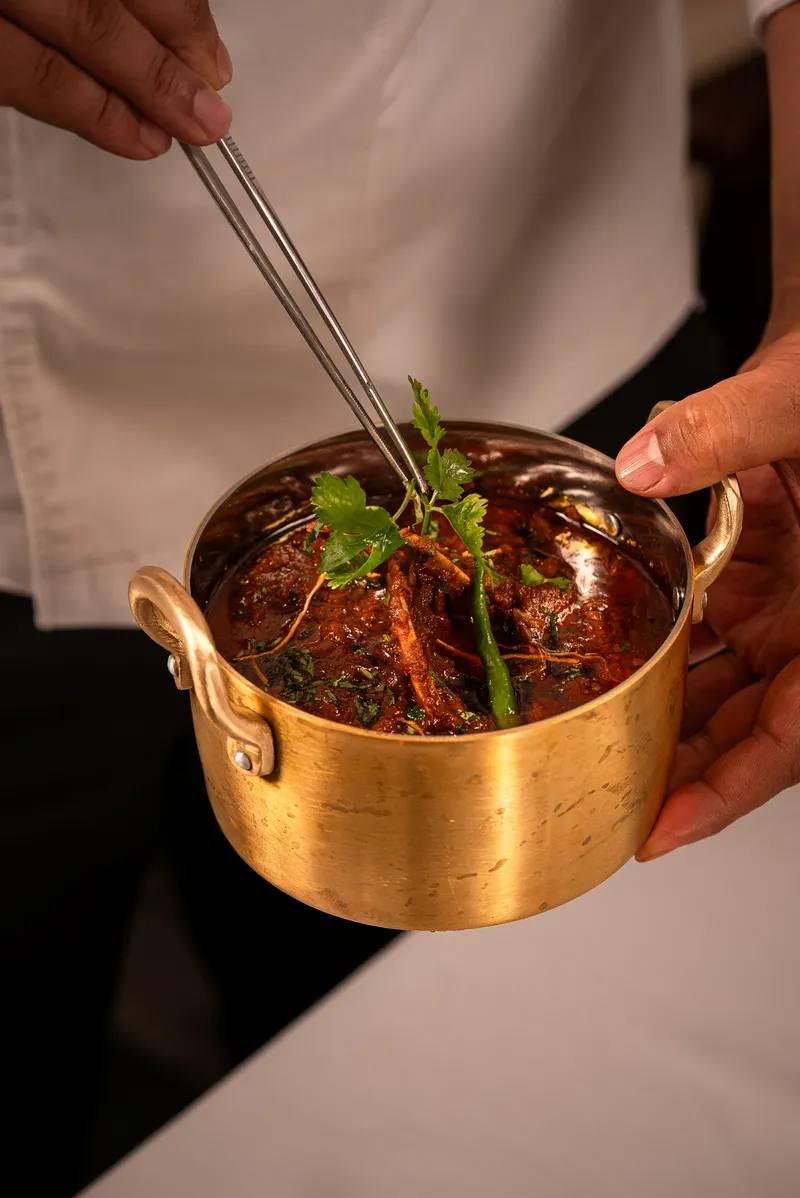
Gosht Beliram
“We found out that my nephew Ikjot’s grandmother was 93 and had lived through partition,” Sethi recalls. “We immediately went to her and started having conversations. That’s the only living memory left in our family.”
Between oral history and inherited recipes, Ikk Panjab is in a race to preserve what little remains. The menu continues to evolve, shaped by memories that surface in fragments–through conversations and even half-remembered flavours. Documentation is ongoing and deeply emotional.
Just as Ikk Panjab resists clichés in its cuisine and décor, it also chooses not to reduce Punjab to a story of suffering. “We didn’t want to bring a stereotyped Punjab to the table,” says Sethi. “We wanted to bring Hasda Punjab, a Punjab that laughs, sings and creates.”
That spirit sparked The Heritage Gathering, a community-focused initiative born out of Ikk Panjab. The idea was simple: to create a space where conversations around Punjab’s history, music, craft, and culture could unfold organically. It’s also a fitting stage for the brand’s spaces, cocktails, and cuisine to shine, without ever feeling commercial.
“People show up for what resonates with them,” says Sethi. “And when they do, they carry a piece of Punjab back with them. Not just through taste, but through feeling.”
With every new outlet, that quiet revolution grows. And with each bite, a forgotten Punjab returns to the table.
Edited by Megha Reddy