



How indie band The Yellow Diary is writing their own rules
Indie music band The Yellow diary doesn’t confide themselves to a single genre. With lyrics inspired from personal experiences and societal observations, the Roz Roz-fame band is now exploring new sonic territories.

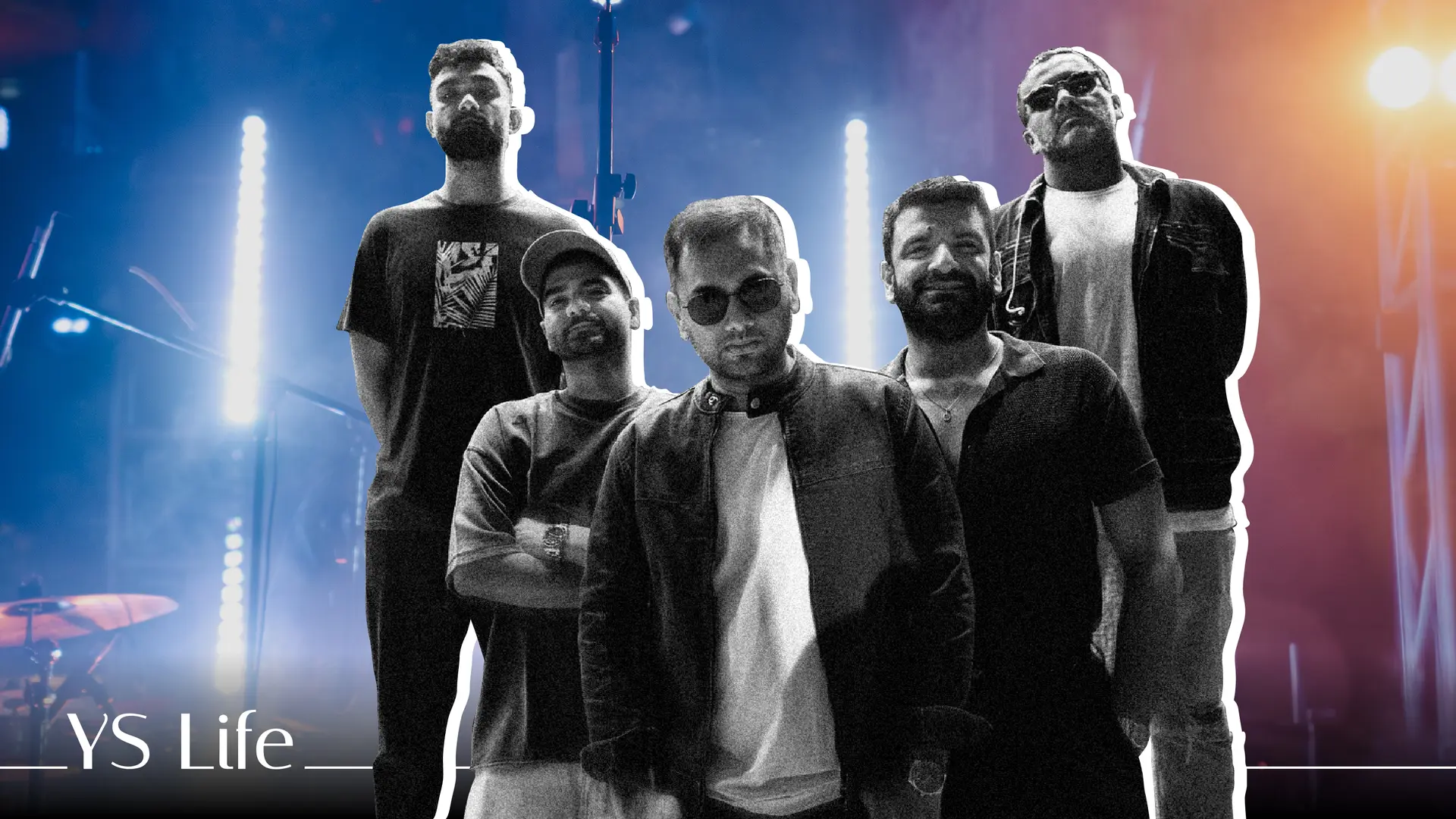

Across the globe, genres usually define music artists and bands. However, Mumbai-based The Yellow Diary has broken out of that mould and made fluidity its identity.
Performing in Bengaluru’s Indian Craft Brewery recently, The Yellow Diary managed to evoke all kinds of emotions among the audience. While the initial act Rab Rakha—an ode to self-discovery—had everyone swinging, deep in thought; Roz Roz had the crowd singing and dancing, appealing to both the GenZ and millennials equally.
Its 2018 release, Kashmir which metamorphically talks about how we fail to appreciate what we have and end up ruining a ‘paradise’ for our own personal gain, resonated with the recent political tensions in the country.
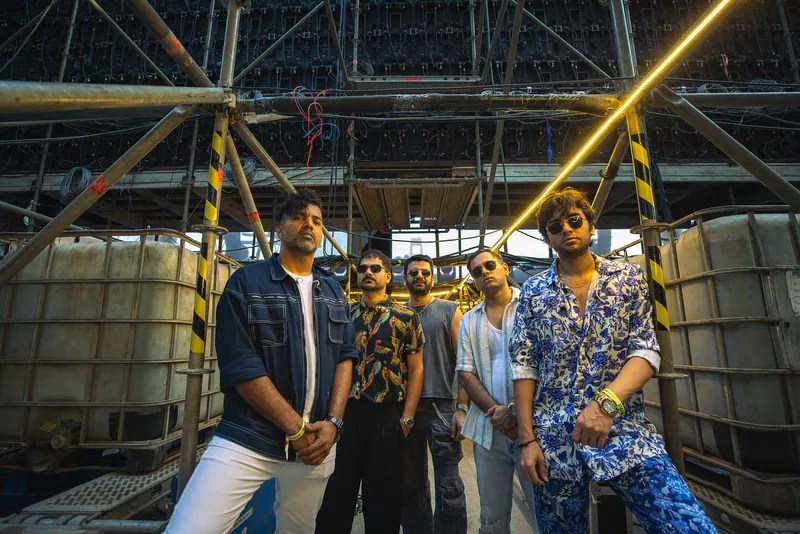
The Yellow Diary
Founded in 2015, the music band has become a key voice in the country’s indie scene blending genres like rock, electronic and Indian classical music seamlessly.
With songs like Marz, Roz Roz (in collaboration with Shilpa Rao), and Rab Raakha, The Yellow Diary has been able to carve out a loyal following.
The band’s rise has been marked by milestones, including signing an exclusive recording and management deal with Sony Music in 2017, which led to the release of its breakthrough song Marz in 2018. The band recently also opened for AR Rahman’s Wonderment Tour on May 3, this year—a first-ever stadium performance for The Yellow Diary.
In an exclusive conversation with YS Life, lead vocalist and lyricist Rajan Batra reflects on The Yellow Diary’s creative process, being authentic and the new frontiers that the music band is exploring.
Edited excerpts from the conversations:
YS Life [YSL]: What does your creative process look like? How do five unique voices come together to produce a song?
Rajan Batra [RB]: Our creative process is organic. We often start with a simple idea or emotion and build upon it collectively.
For instance, during the creation of Marz, we began with a melody that resonated with us, and each member added their touch, culminating in a song that reflects our collective essence.
YSL: You function as a tight creative unit—how do you resolve creative disagreements or moments of artistic divergence?
RB: Open communication is key. We discuss differing viewpoints respectfully and prioritise the song’s essence over individual preferences. This collaborative spirit ensures that our creative divergences lead to richer outcomes.
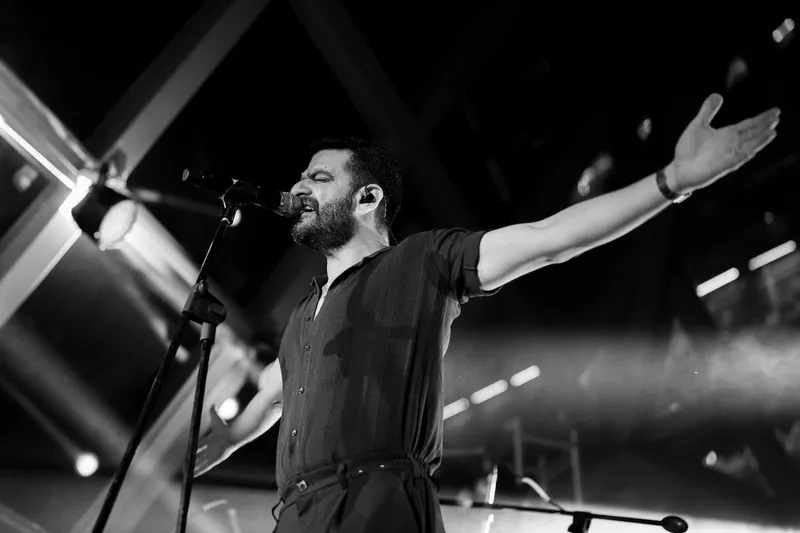
Rajan Batra, lead vocalist and lyricst of The Yellow Diary
YSL: The Yellow Diary doesn’t stick to one genre—you move between rock, electronica, and Indian classical. Is that a conscious choice?
RB: It’s more of an organic evolution. We don’t confine ourselves to a specific genre; instead, we let the song dictate its direction. This approach allows us to explore various musical landscapes authentically.
YSL: Your lyrics often seem personal. Do your own experiences shape the words you write?
RB: Indeed, our lyrics are deeply influenced by both personal journeys and societal observations. We aim to capture emotions and narratives that resonate universally, drawing from our experiences and the world around us.
YSL: Is there a song in your discography that felt risky to release?
RB: Roz Roz was a departure from our usual sound, blending different genres and featuring a collaboration. While it felt like a risk, the positive response affirmed our decision to experiment and evolve.
YSL: The indie scene in India has grown massively in the last five years. What’s changed for you as artists navigating that landscape?
RB: The growth of the indie scene has been invigorating. There’s a stronger sense of community among artists, and audiences are more supportive and engaged. This evolution has provided us with more opportunities to share our music and connect with listeners.
YSL: You have collaborated with Shilpa Rao in the past. Any other collaborations that you are looking at right now? Could you share the details of the same?
RB: We’re always exploring potential collaborations that align with our musical vision. While we don’t have specific details to share at the moment, we’re excited about future partnerships that will bring new dimensions to our sound.
YSL: What’s next for The Yellow Diary? Are there new directions or languages we can expect?
RB: We’re delving into new sonic territories with our upcoming album, experimenting with different sounds and possibly incorporating diverse languages. Our goal is to continuously evolve and offer fresh experiences to our listeners.
YSL: How do you balance staying true to your artistic voice while also catering to an audience that consumes music in reels, and 30-second clips today?
RB: While we’re aware of changing consumption patterns, our primary focus remains on creating authentic music. We believe that genuine artistry resonates, regardless of format. That said, we do adapt our content presentation to engage with audiences across platforms without compromising our artistic integrity.
YSL: If you could soundtrack a film, show, or moment in time—what would it be, and why?
RB: Soundtracking a film that delves into human emotions and relationships would be a dream. Our music often explores such themes, making it a natural fit. We’re open to opportunities in the film industry and look forward to projects that align with our musical ethos.
Edited by Affirunisa Kankudti